 NO.624ANIME
OOTDBayonetta
NO.624ANIMEANIME OOTD / CHARACTER ARCHIVE
Bayonetta
Bayonetta ↗ / 2009
Umbra Witch / protagonist
My figure room →
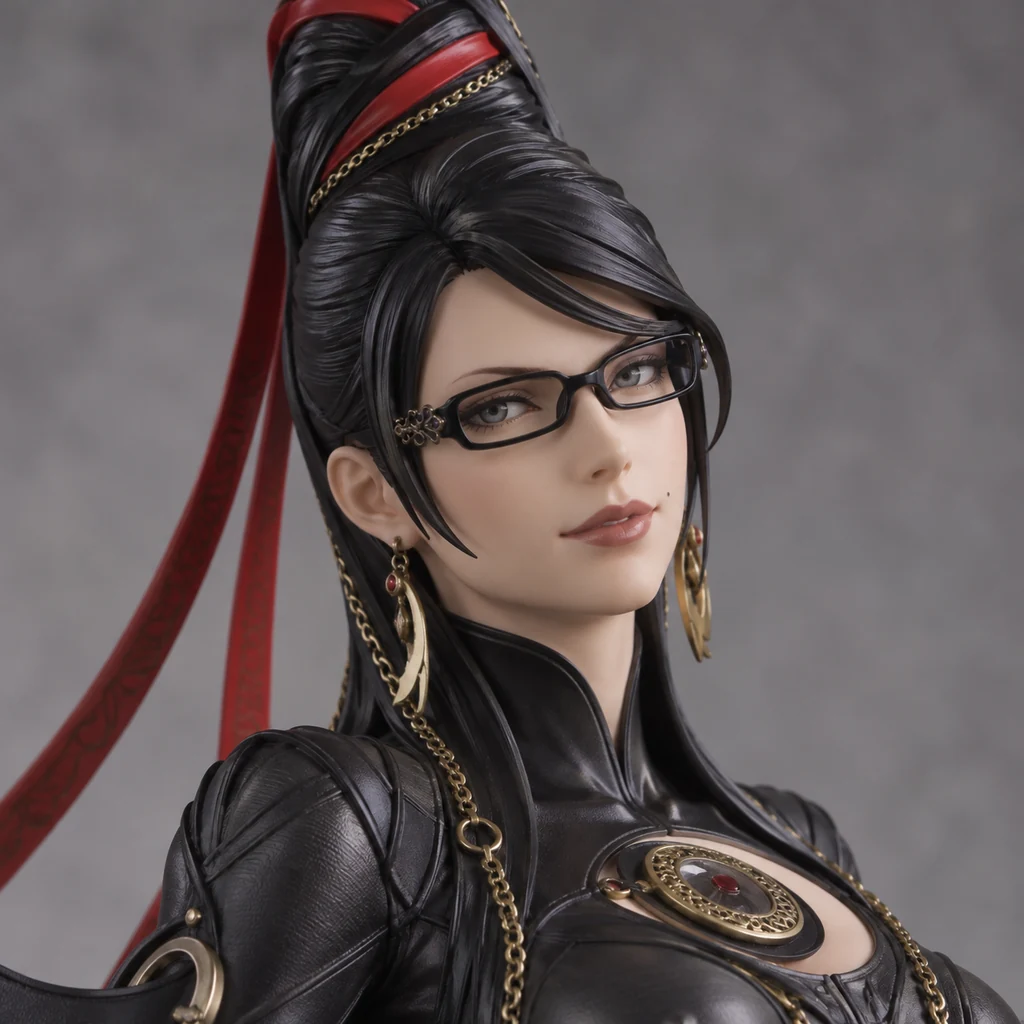
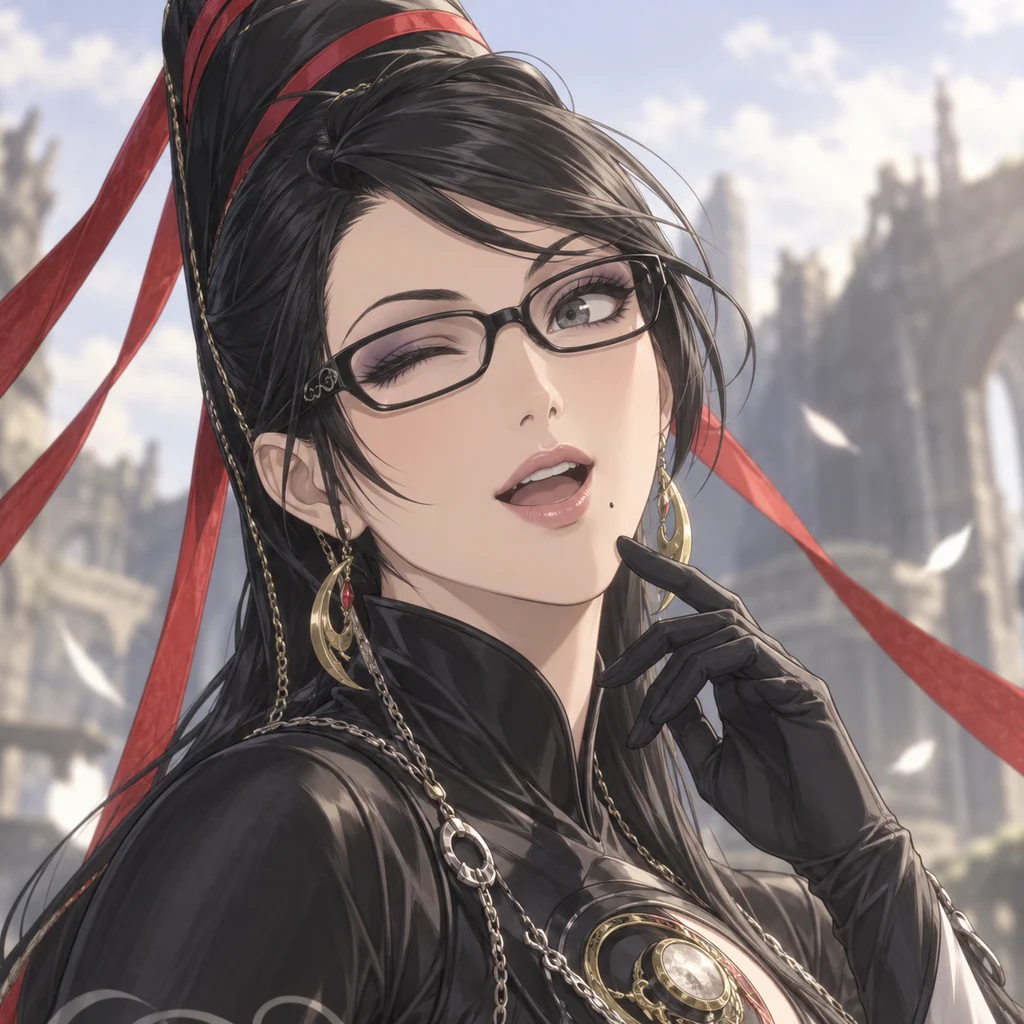
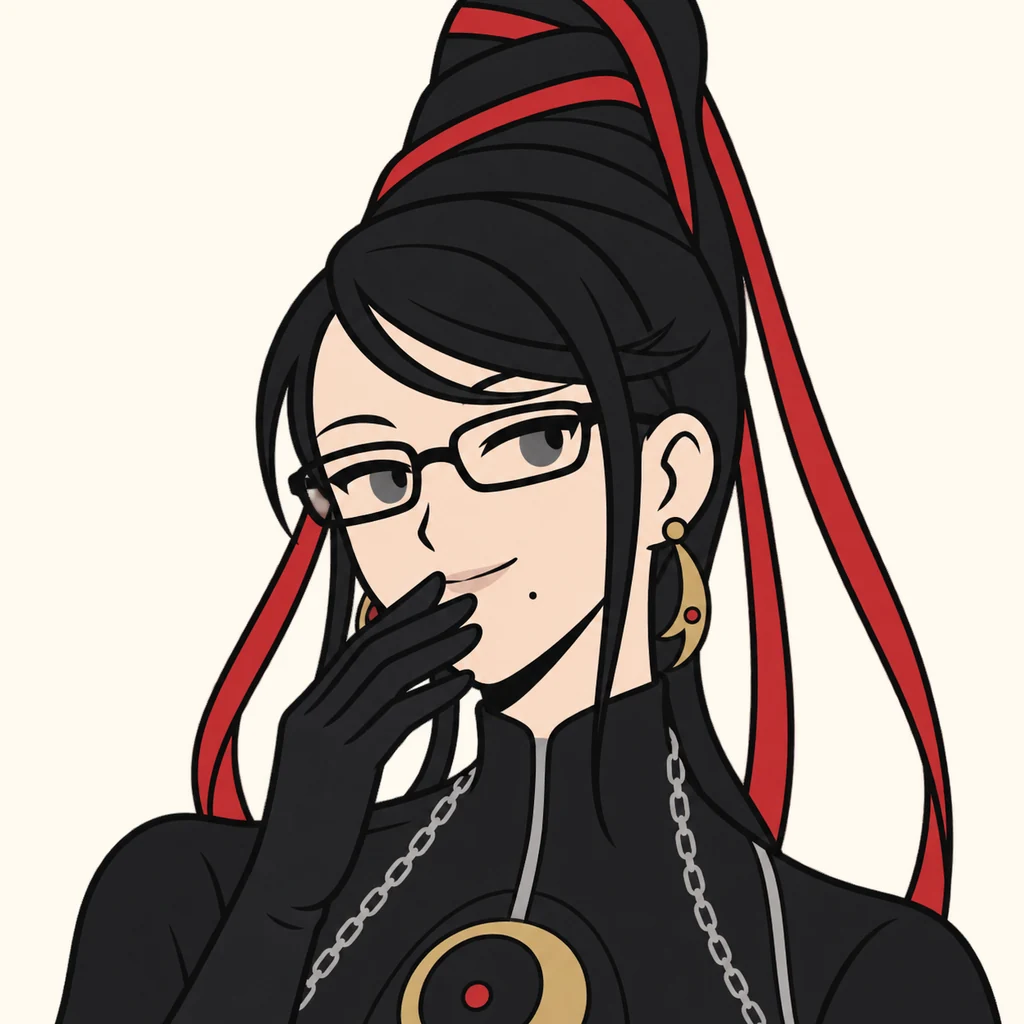
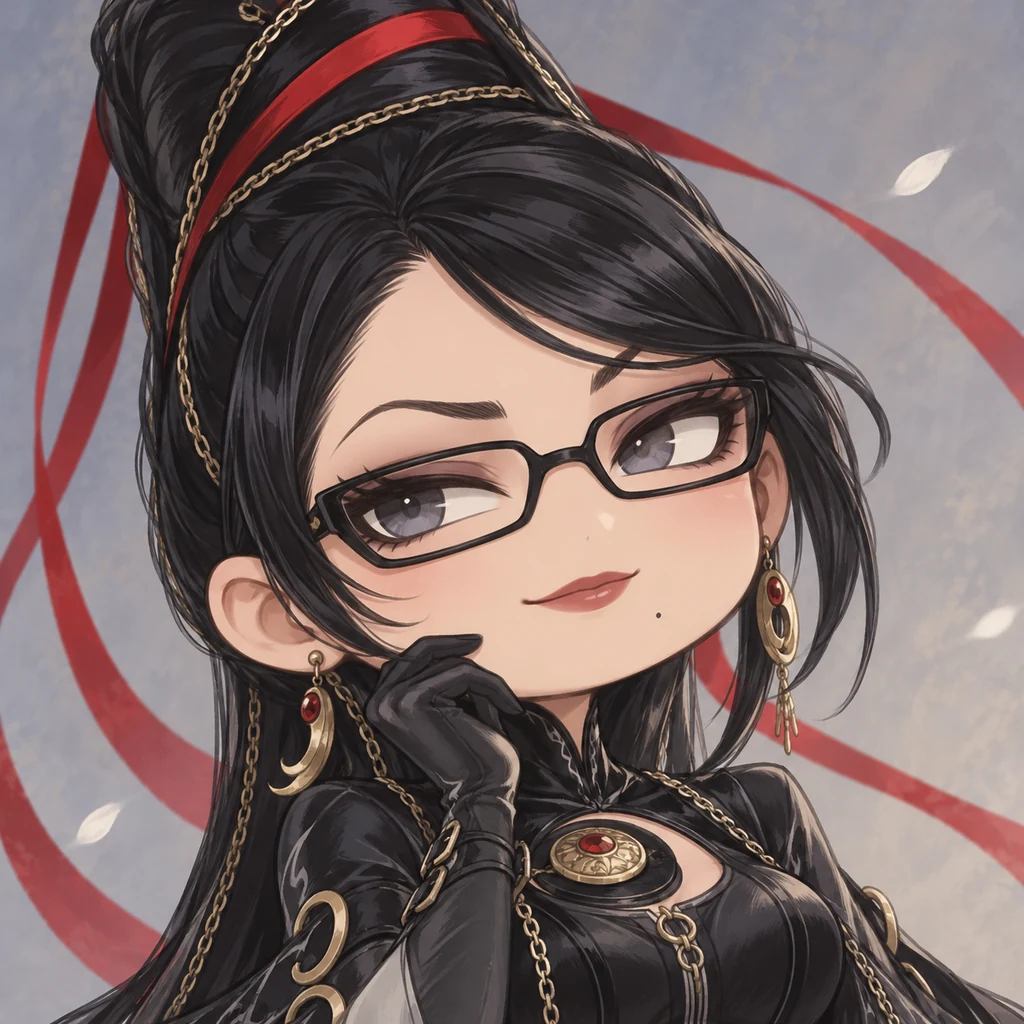
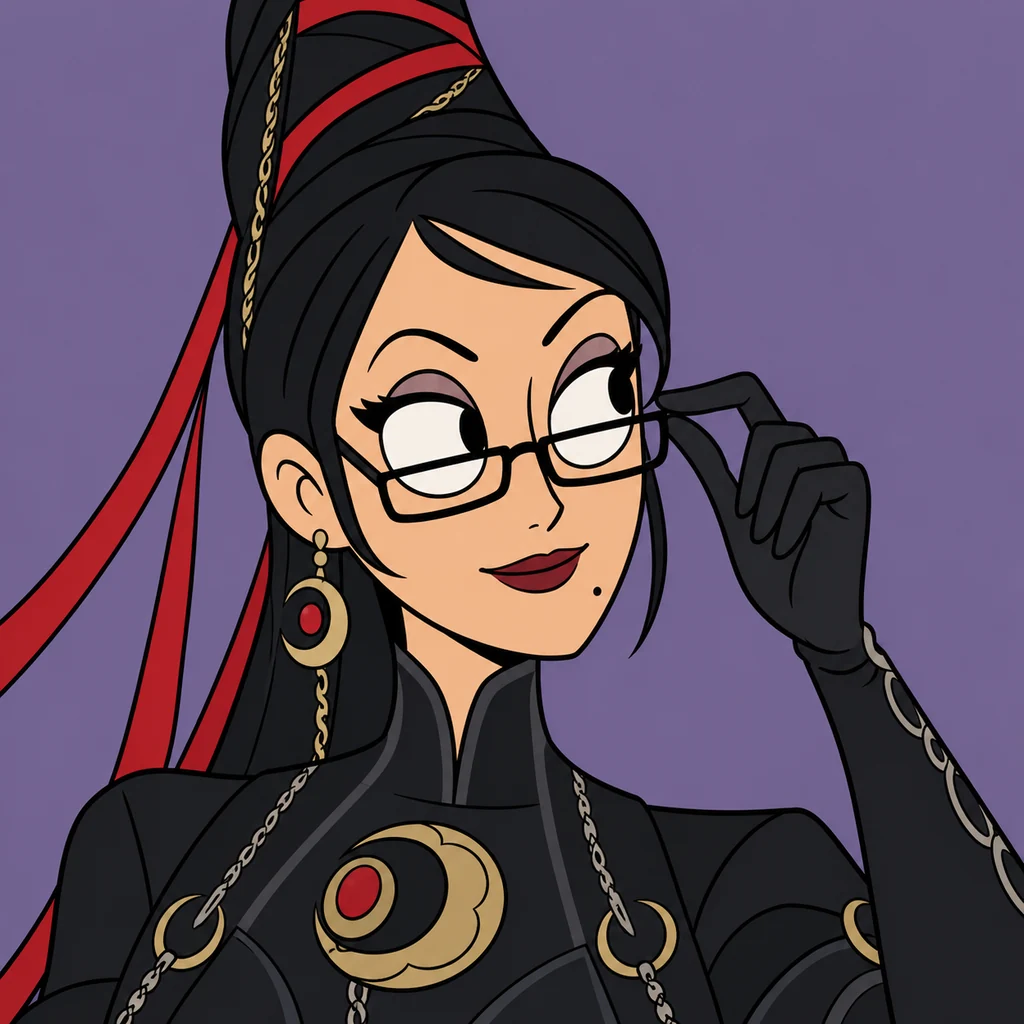
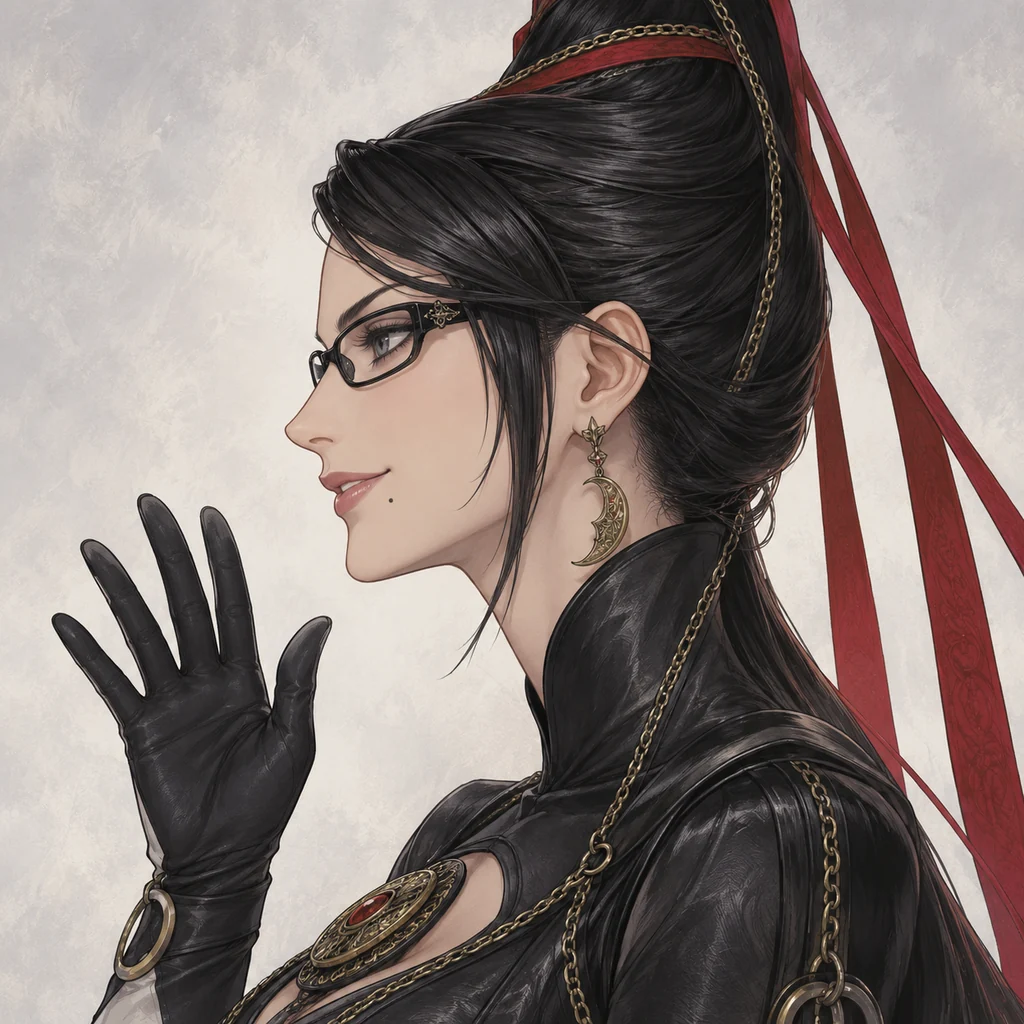
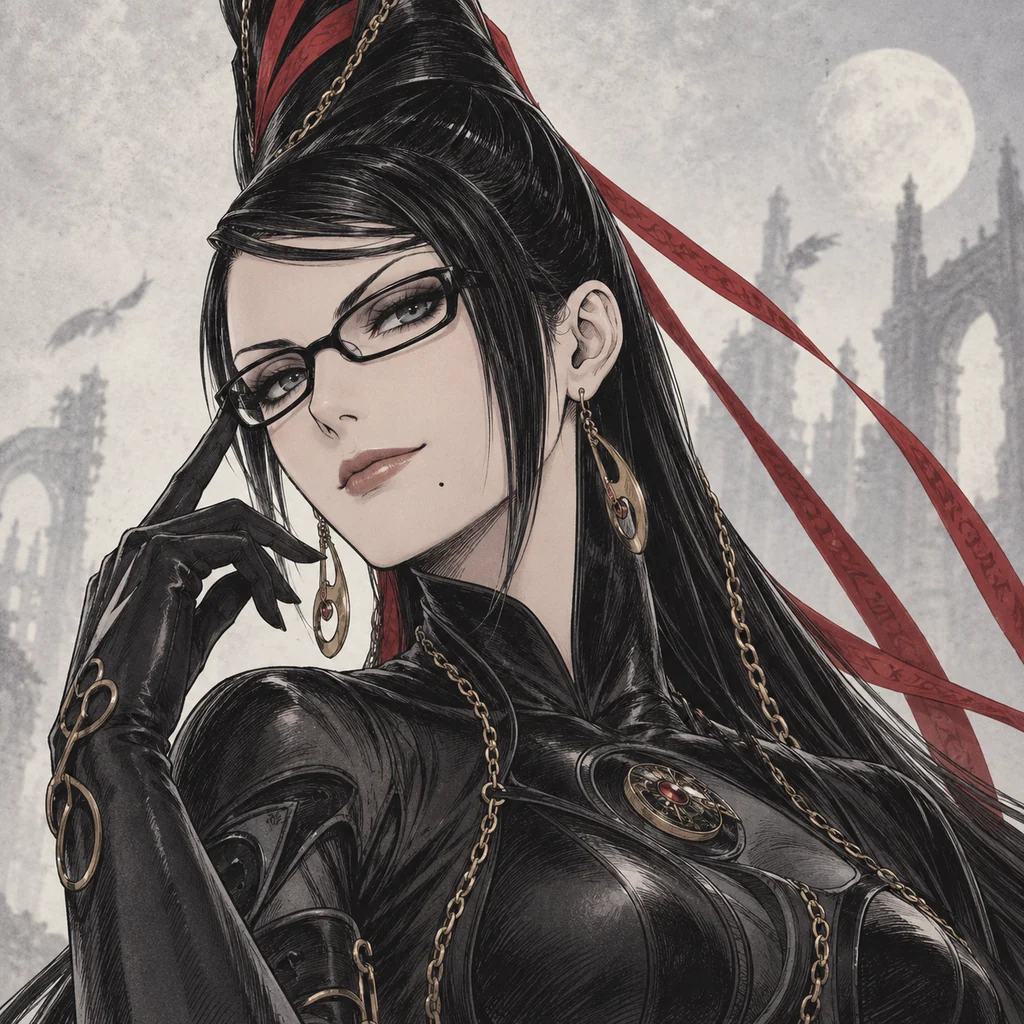
AI-assisted illustrations · Not official anime stills





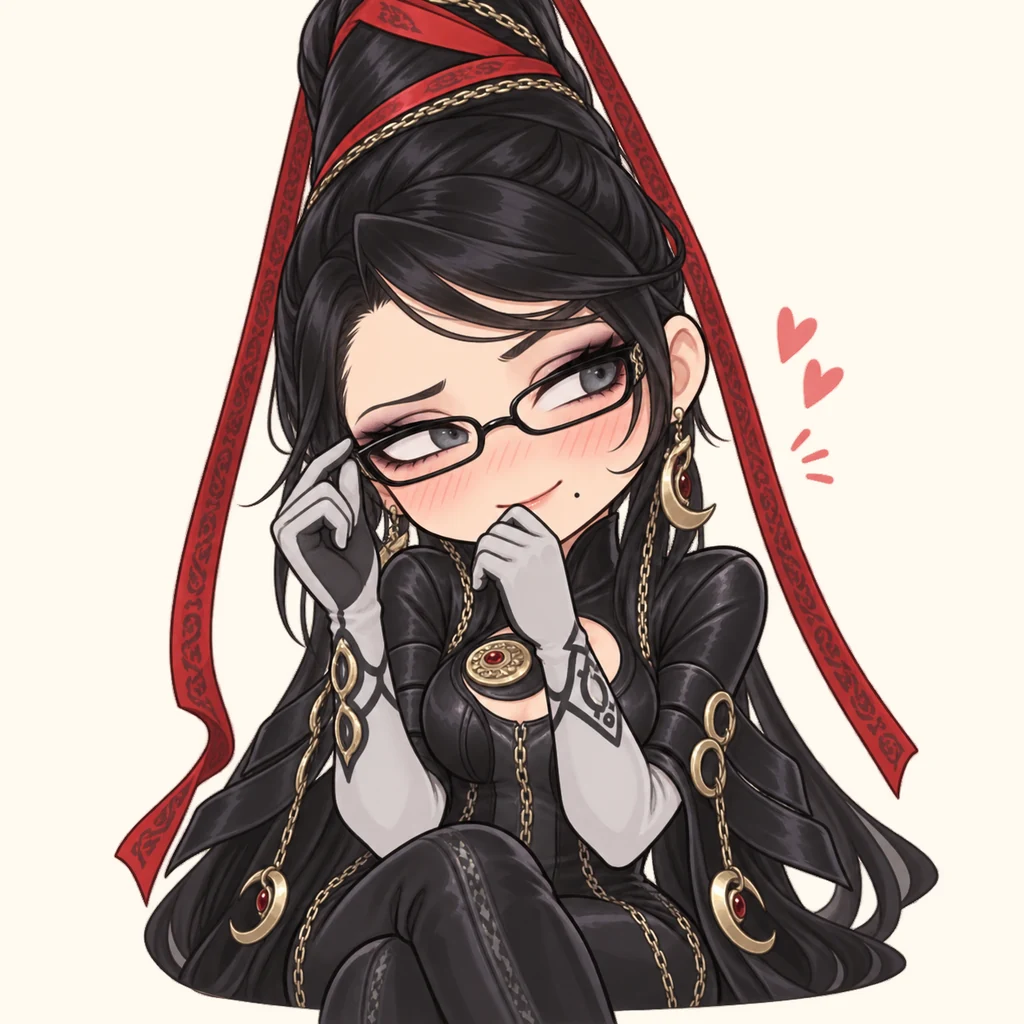
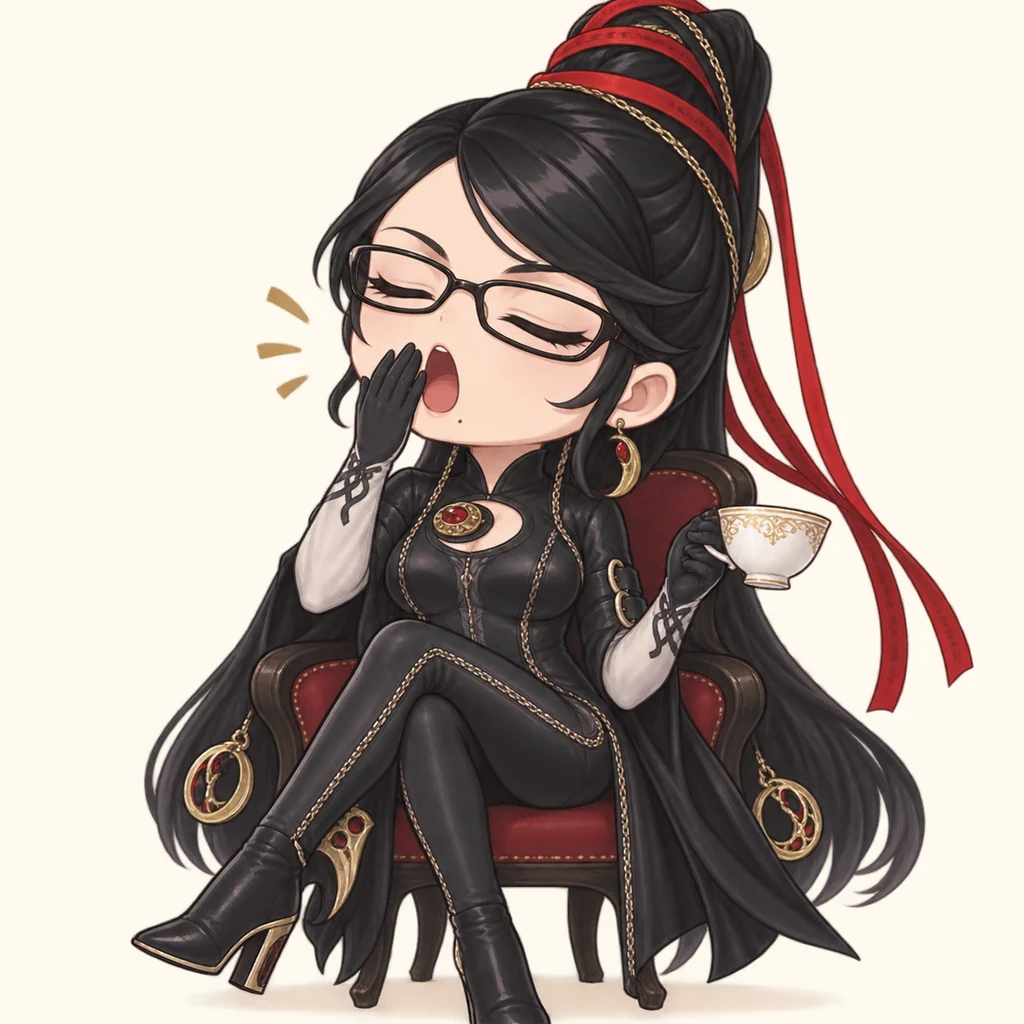

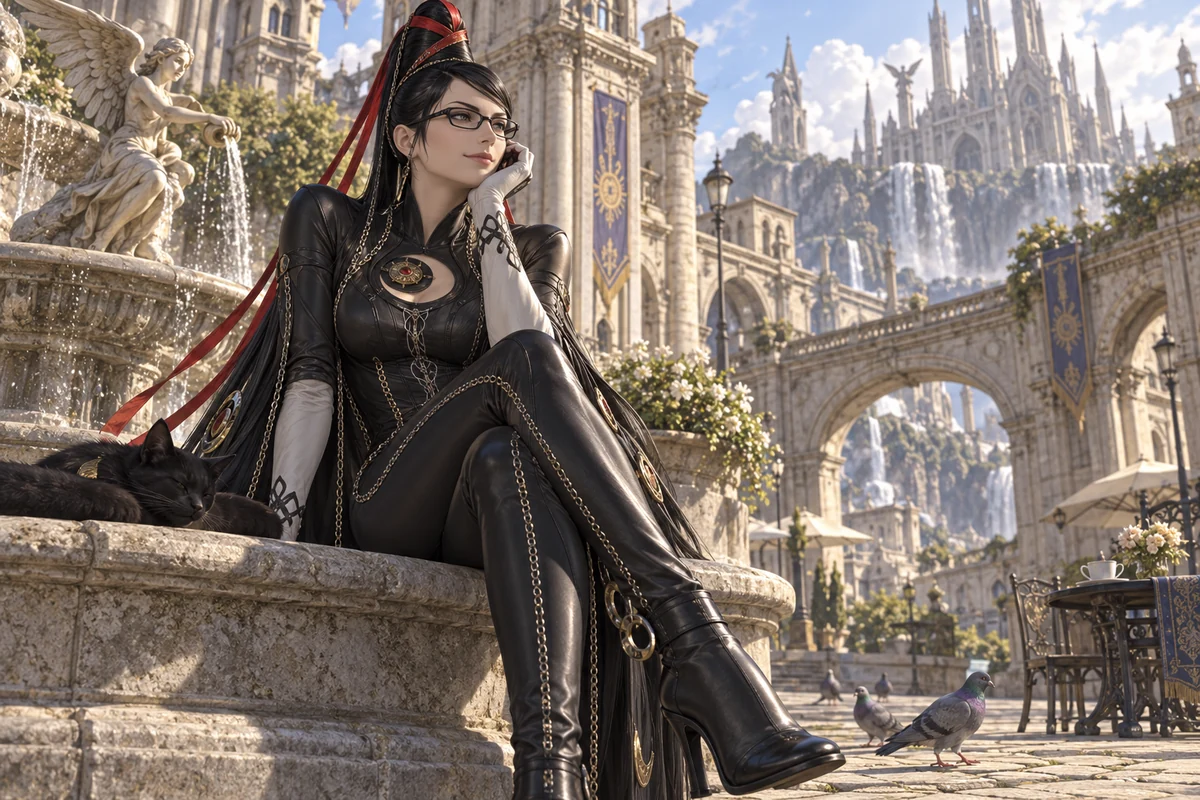
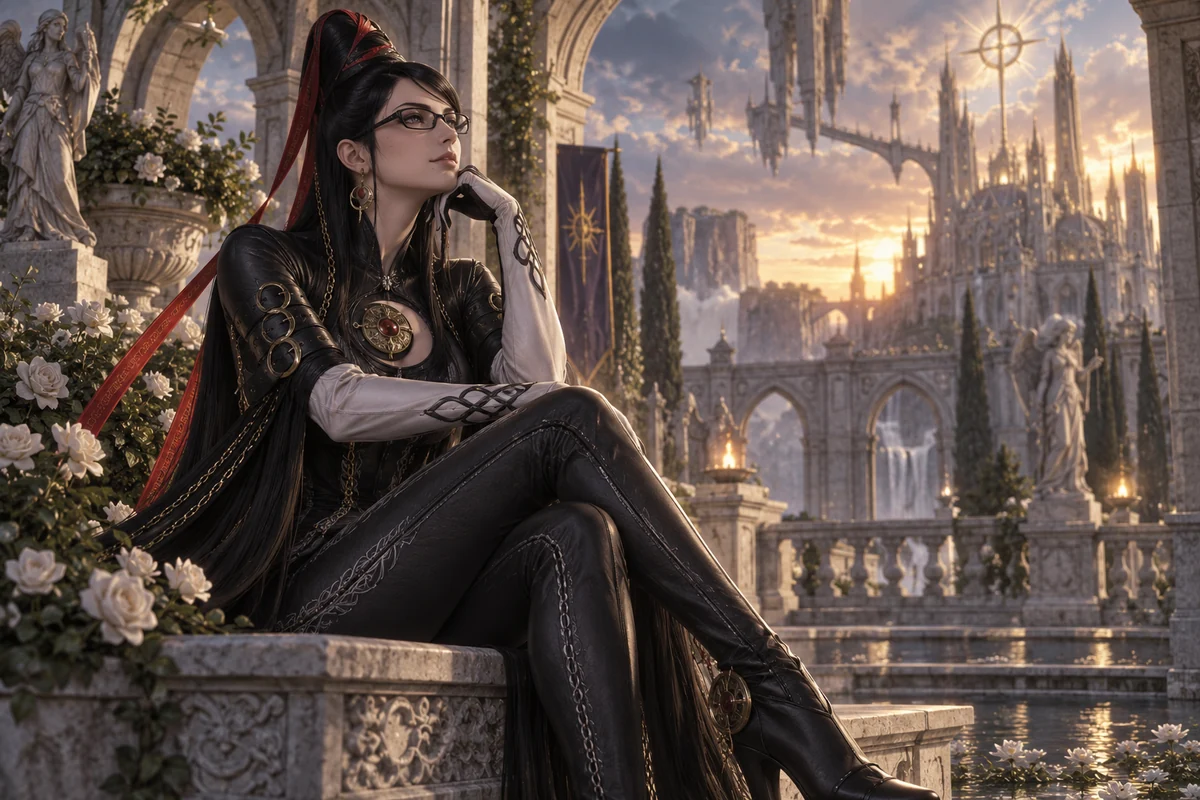
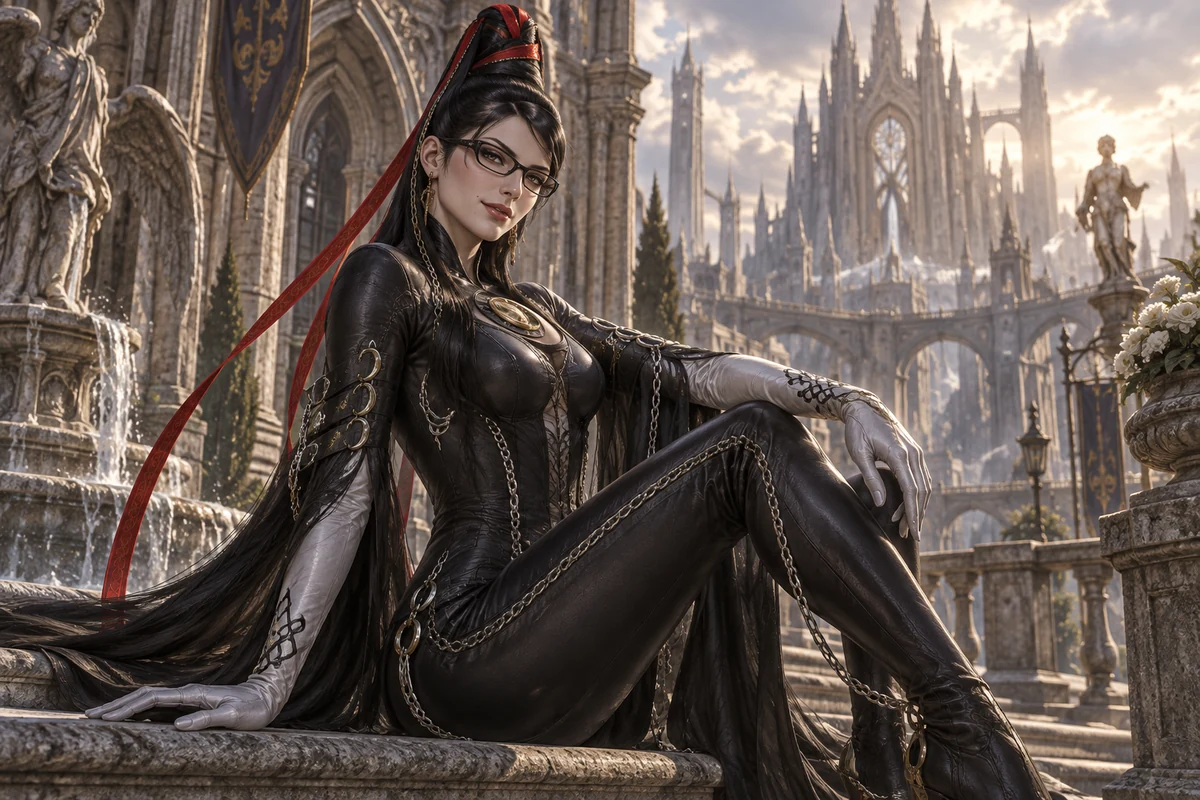
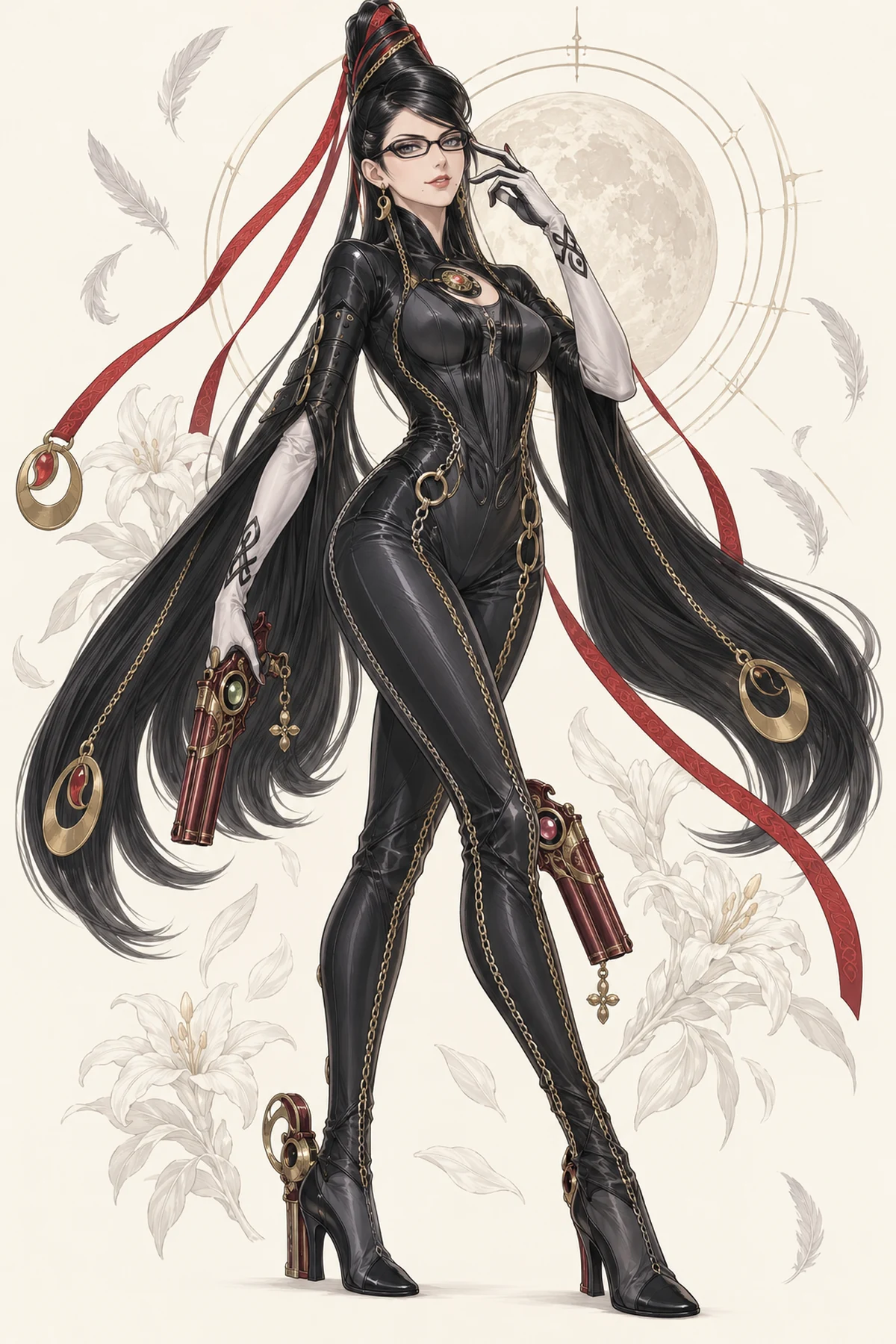
Bayonetta leads the action game first released in Japan in 2009 and in Western regions in 2010. An Umbra Witch, she begins with unanswered questions about her past. This page uses her adult first-game design, distinguishing it from young Cereza in the prequel and later sequel designs.
She answers danger with teasing composure and precise theatrical movement. Confidence does not remove vulnerability: lost memories and protecting others give emotional weight to the performance. Humor and agency explain more of her appeal than reducing her to a glamorous combat silhouette.
First-game spoilers: investigating Vigrid connects the conflict between Witches and Sages to her origins. Jeanne’s earlier decision to seal her away for protection changes the apparent rivalry. Witch Time is a signature combat opening associated with well-timed evasion, not an unrestricted real-world time-control claim.
Jeanne is a childhood friend, rival and crucial ally, not a biological sister. Rodin runs the Gates of Hell and supplies weapons; journalist Luka investigates her connection to past events. Rosa and Balder belong to her parental backstory. These distinct ties should not all be flattened into generic companionship.
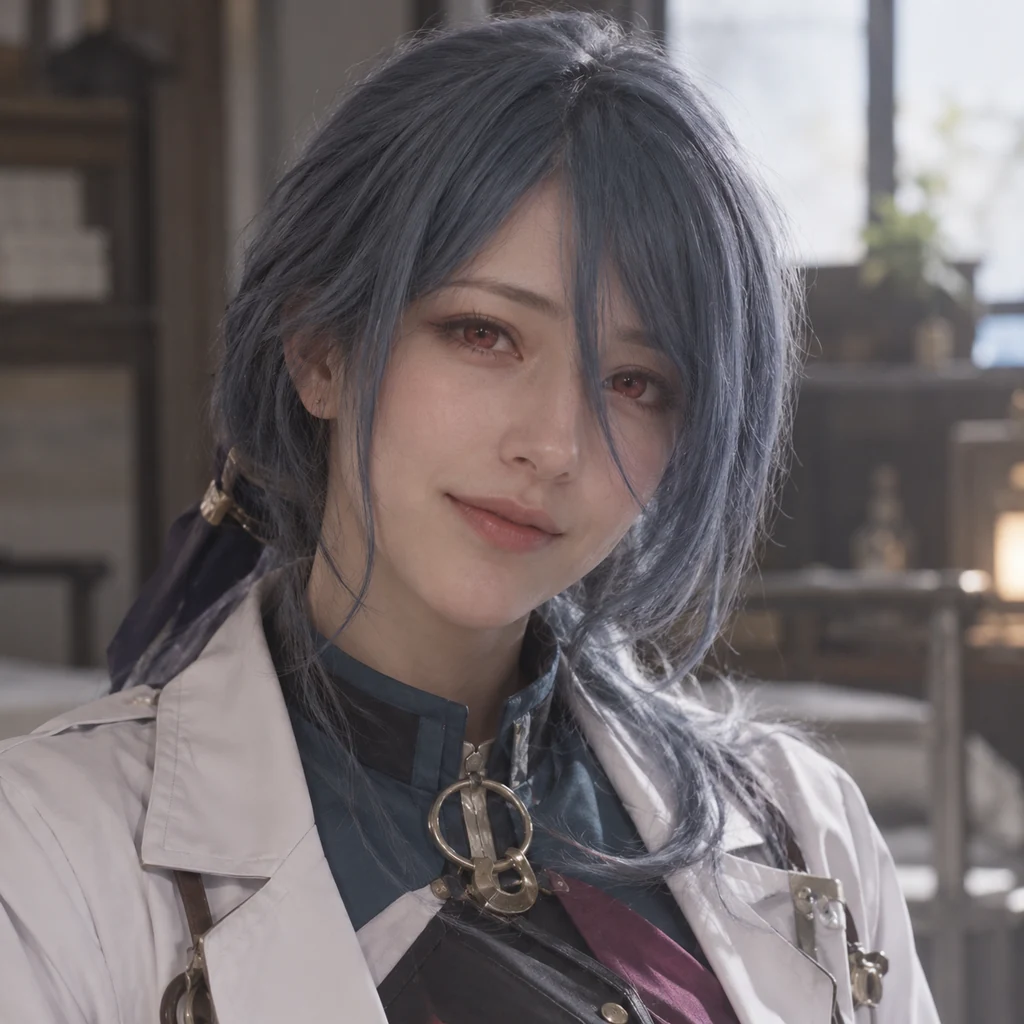
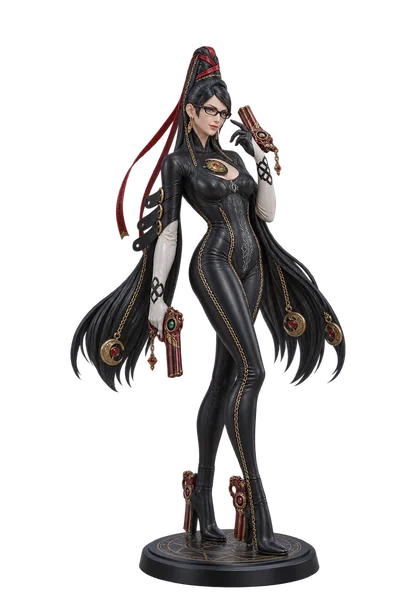
The first game is identified by a tall black updo, red ribbons, glasses and black combat attire. The sequel’s short hair and third game’s braids are separate design stages. Photographic fan adaptations do not establish official variants, and the AI-assisted figurine images are concepts rather than product photographs.
A wordless comic can interrupt a polished glasses-adjusting entrance with a tiny everyday mishap, followed by a dignified recovery. The contrast supplies the joke; the particular incident is fan invention. Raised brows, confident smiles, clear refusals and surprise work as reactions without explicit scenarios.