 NO.539ANIME
OOTDNadia La Arwall
NO.539ANIMEANIME OOTD / CHARACTER ARCHIVE
Nadia La Arwall
Nadia: The Secret of Blue Water / 1990
Bearer of the Blue Water
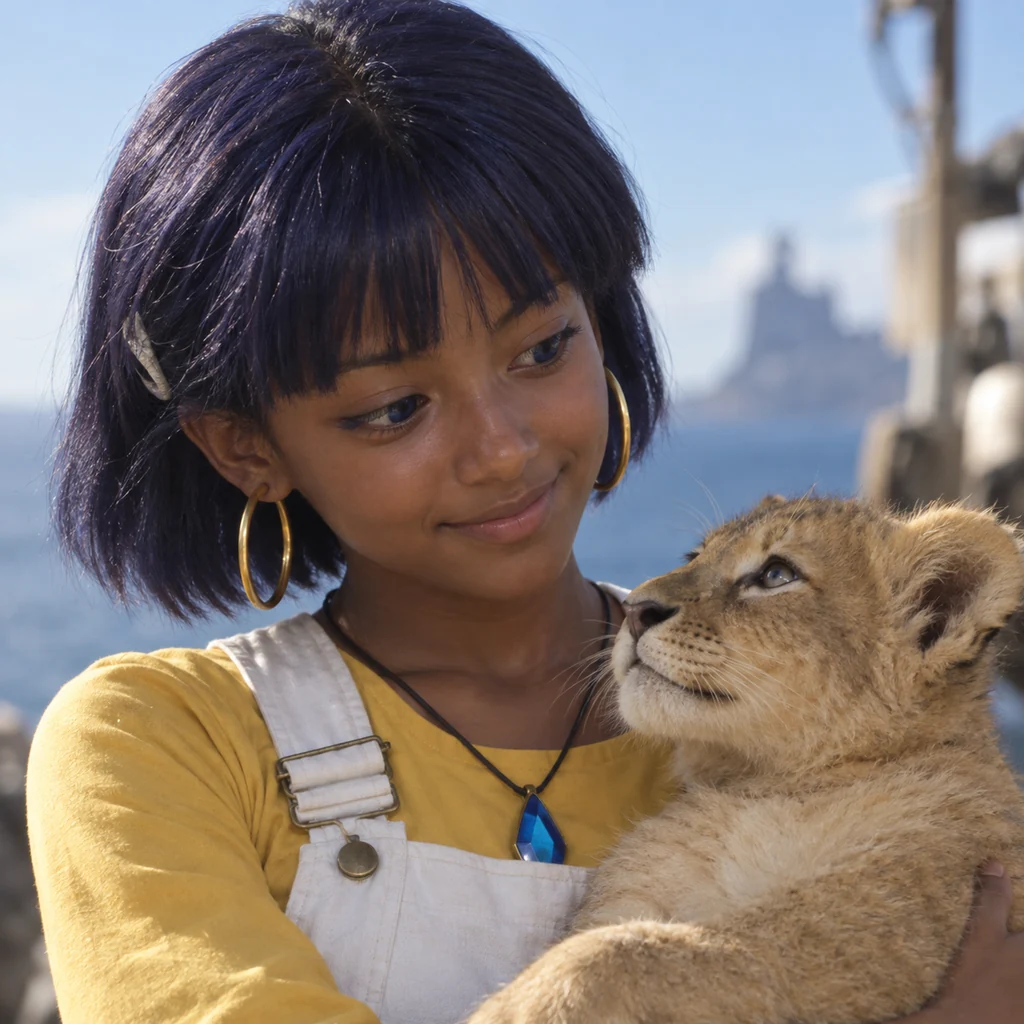
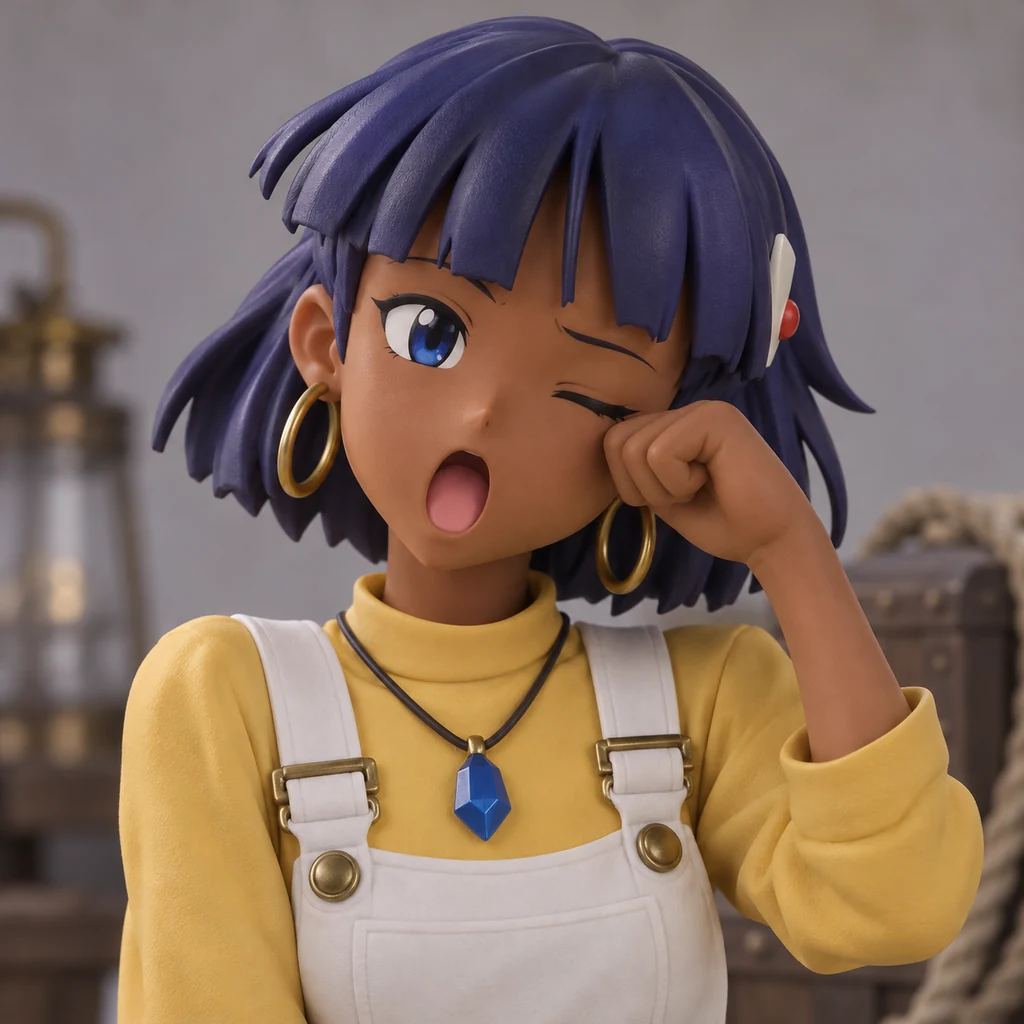
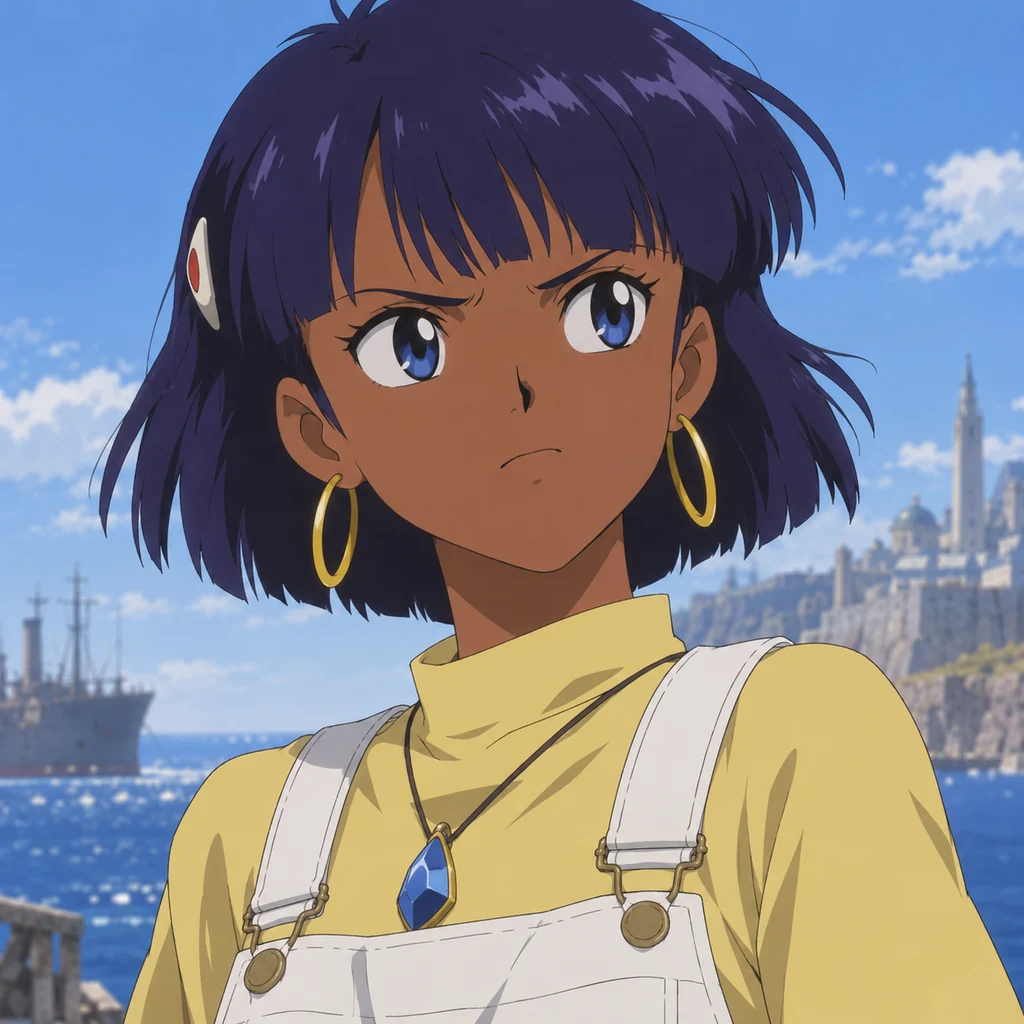


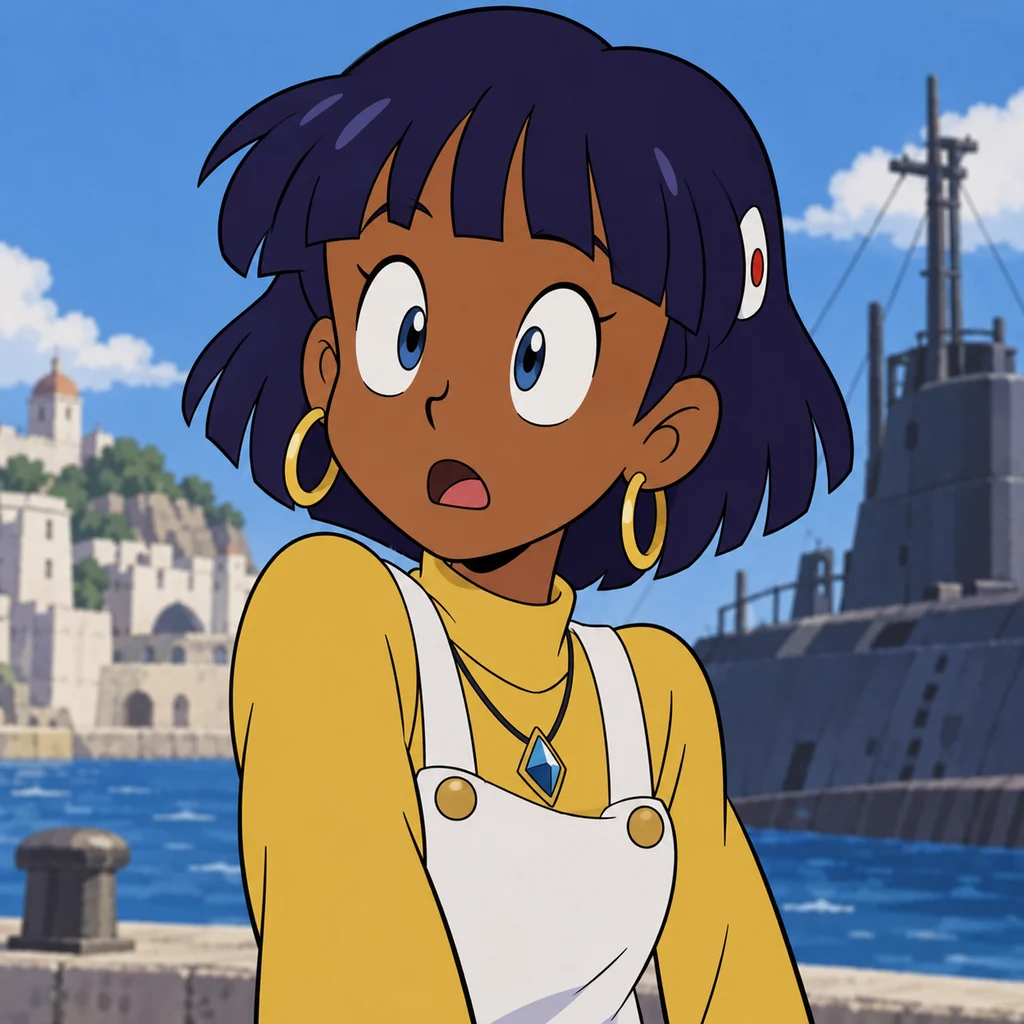

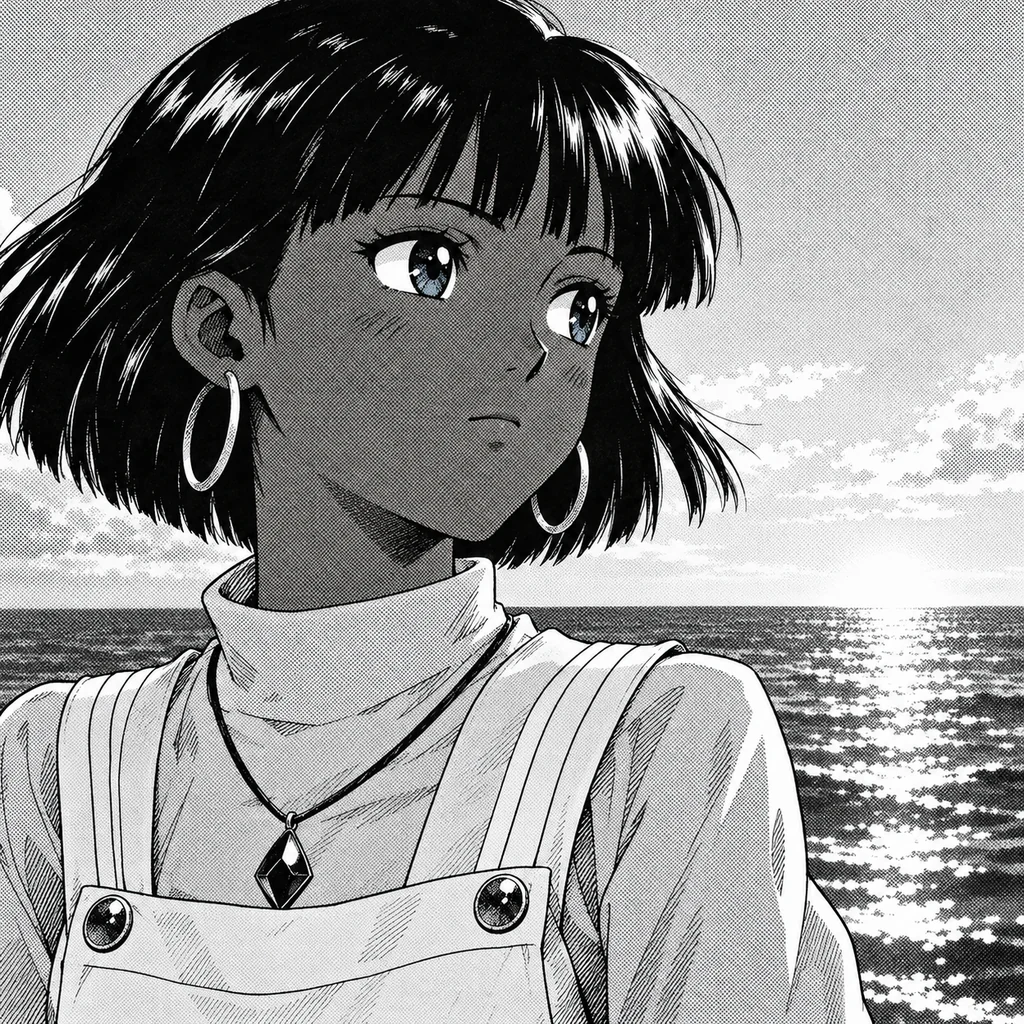
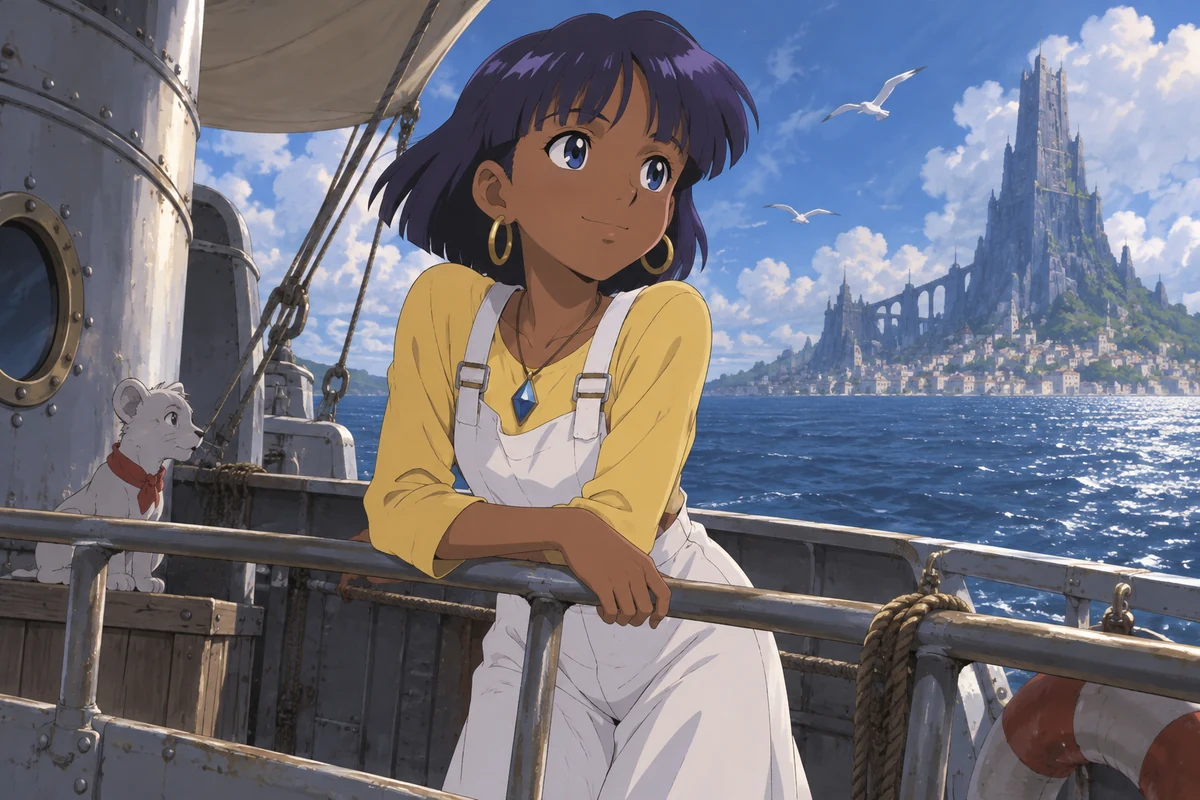
AI-assisted illustrations · Not official anime stills

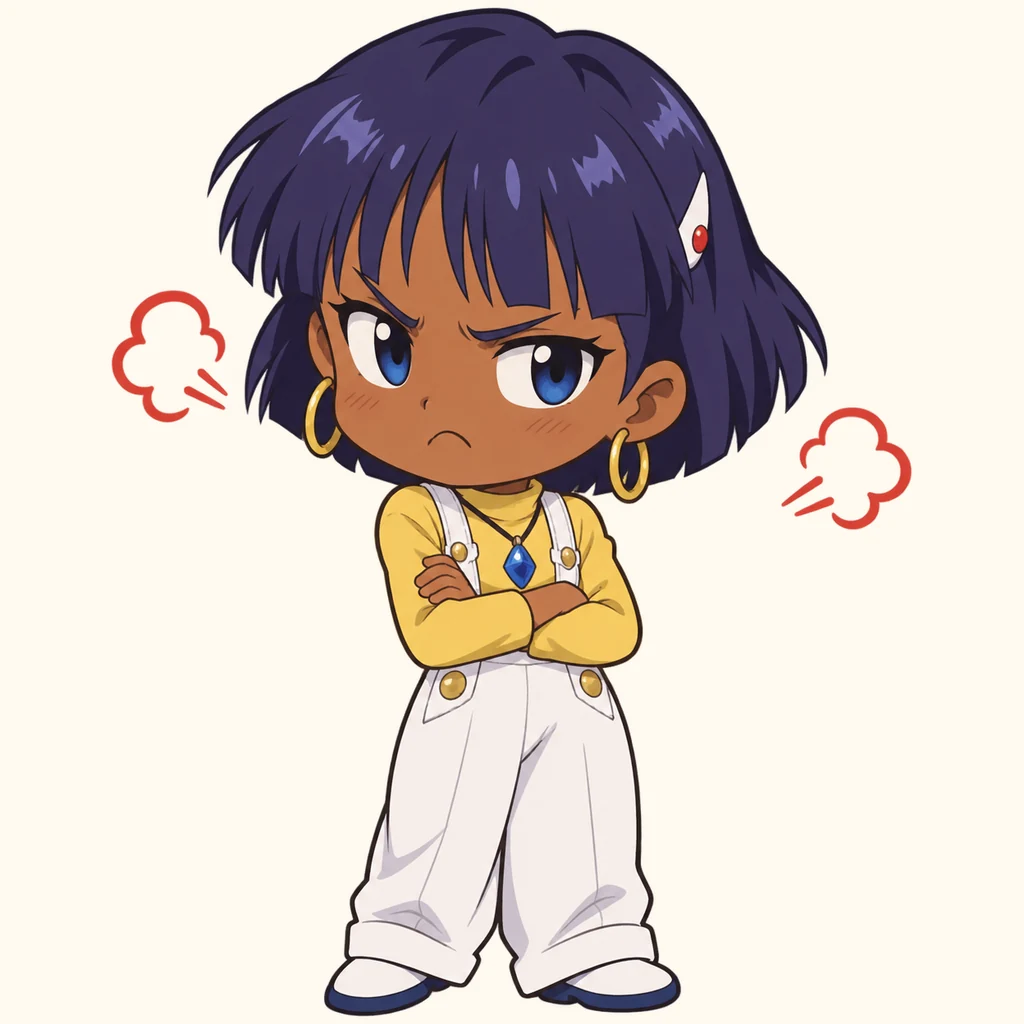






Nadia debuted in the original television anime in 1990, not in a manga adapted later. The series draws on Verne-like maritime adventure, but she is not a character from the original Twenty Thousand Leagues Under the Seas. Initially earning a living as a circus acrobat, she is pursued for her jewel and drawn into a larger mystery with Jean.
Stubbornness and sensitivity coexist in Nadia. She cares for animals, is vegetarian and reacts strongly to violence and adult decisions, creating both principled resistance and conflict with companions. She is not a flawless, endlessly gentle heroine. Learning to understand others and acknowledge mistaken judgments is an important part of her growth.
Story spoilers: From meeting in Paris to voyaging at sea, Nadia and Jean face pursuit, separation and danger. The Nautilus brings their personal adventure into the conflict with Neo-Atlantis, and the Blue Water becomes more than an ornament. Later events ask her to understand the origins and consequences of power and choose how to use it, rather than treating possession as an automatic solution.
Major spoilers: Captain Nemo is Nadia’s father, an actual revelation rather than a resemblance-based fan theory. Jean grows from fellow young inventor into someone she trusts and loves; the television epilogue explicitly says they marry and have a child. King is her lion-cub companion and Marie is a child sharing their adventure, not Nadia’s daughter.
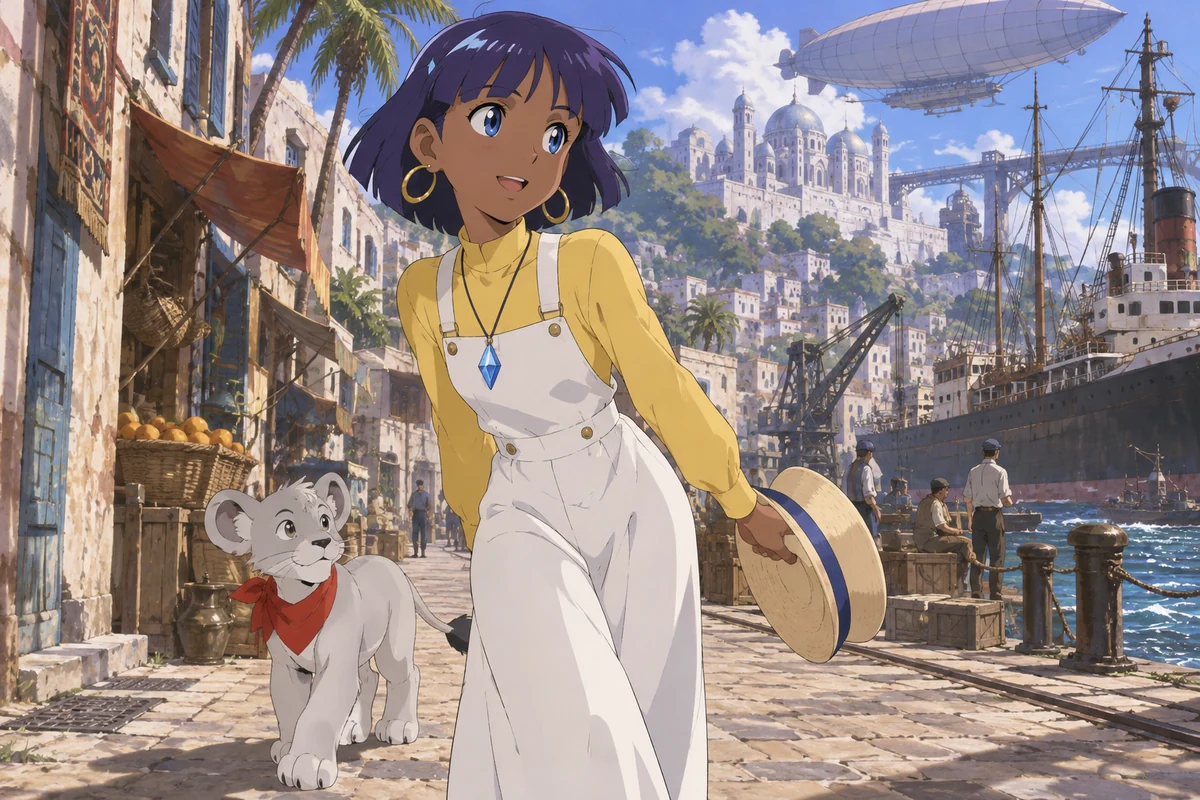
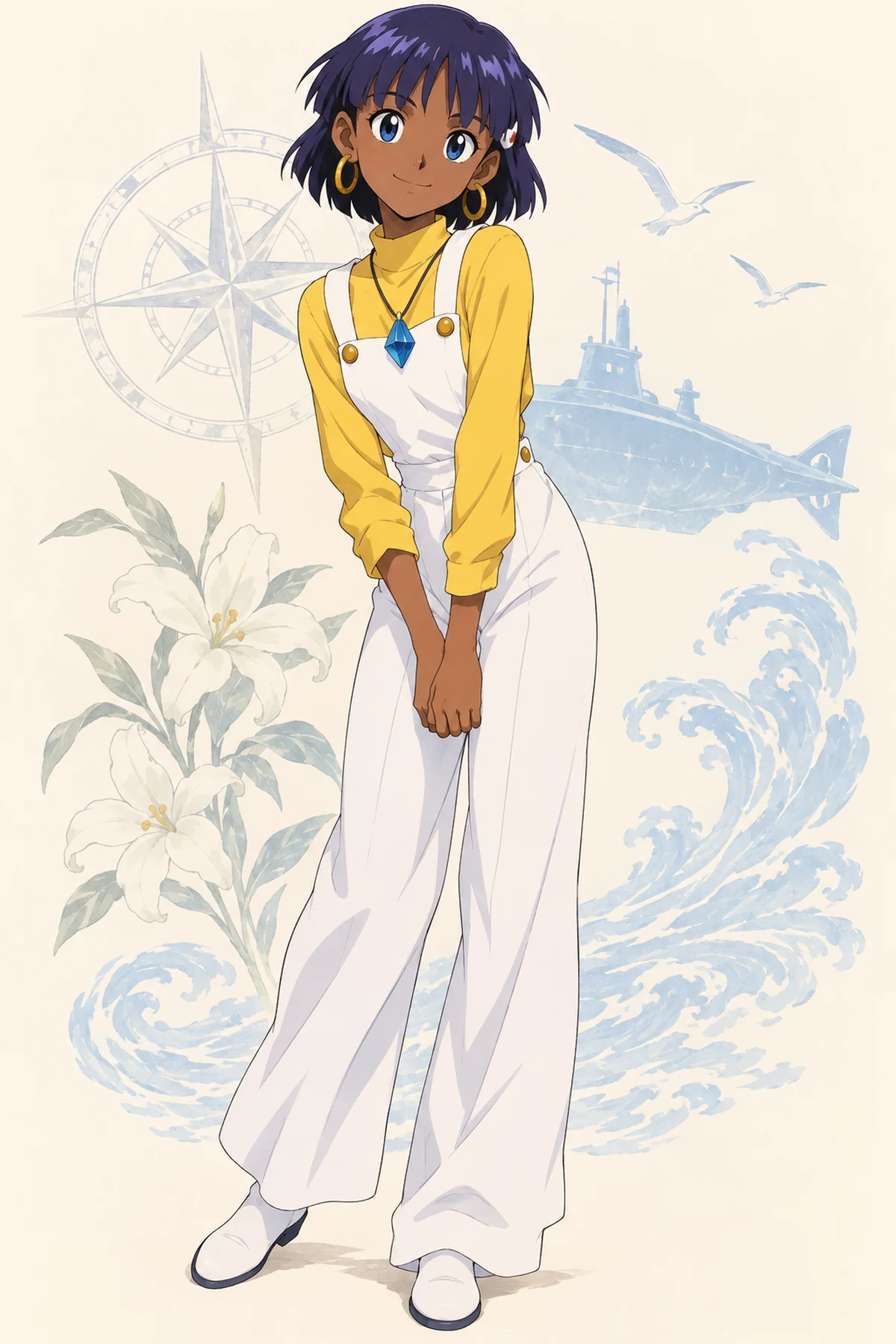
Dark skin, short indigo-purple hair, gold earrings and the Blue Water pendant identify Nadia. Her teenage television portrayal, older movie portrayal and adult epilogue must be distinguished rather than assigning the epilogue’s age to every period. This page uses fully covering sailor-inspired everyday clothes as fan adaptations. Photo, toy and icon portraits are artistic interpretations, not official new costumes.
One fan reading treats the Blue Water as a burden of others’ expectations, while Nadia grows by choosing the person she wants to become. Her disagreements with the scientifically optimistic Jean keep the story from being only the joy of invention and adventure. Reading those conflicts as ethical choices is useful; claiming she secretly controls all events is unsupported speculation.