 NO.721ANIME
OOTDTerra Branford
NO.721ANIMEANIME OOTD / CHARACTER ARCHIVE
Terra Branford
Final Fantasy VI ↗ / 1994
Once used as a weapon, she learns to choose how her power is used. Her search for love and belonging reaches beyond being a naturally powerful magic user.
Half-human, half-esper magic user
My figure room →
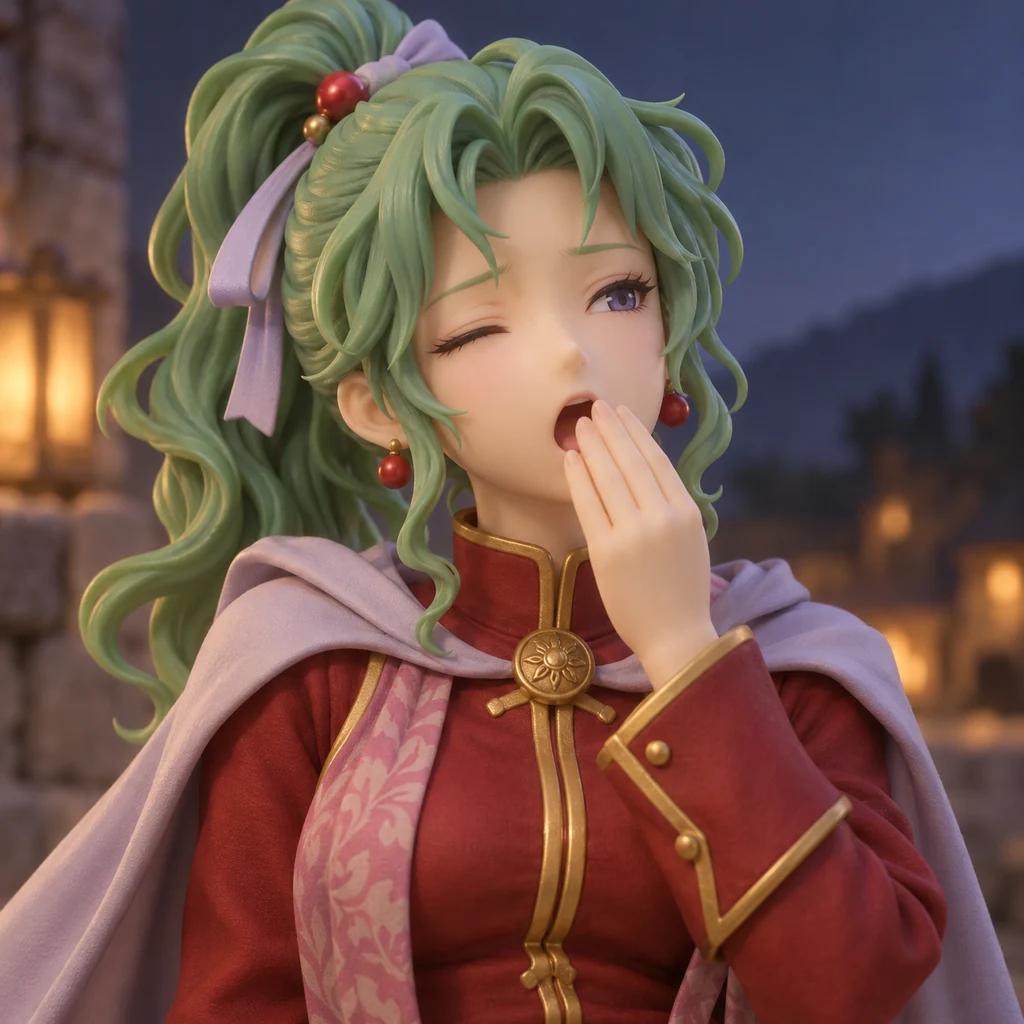
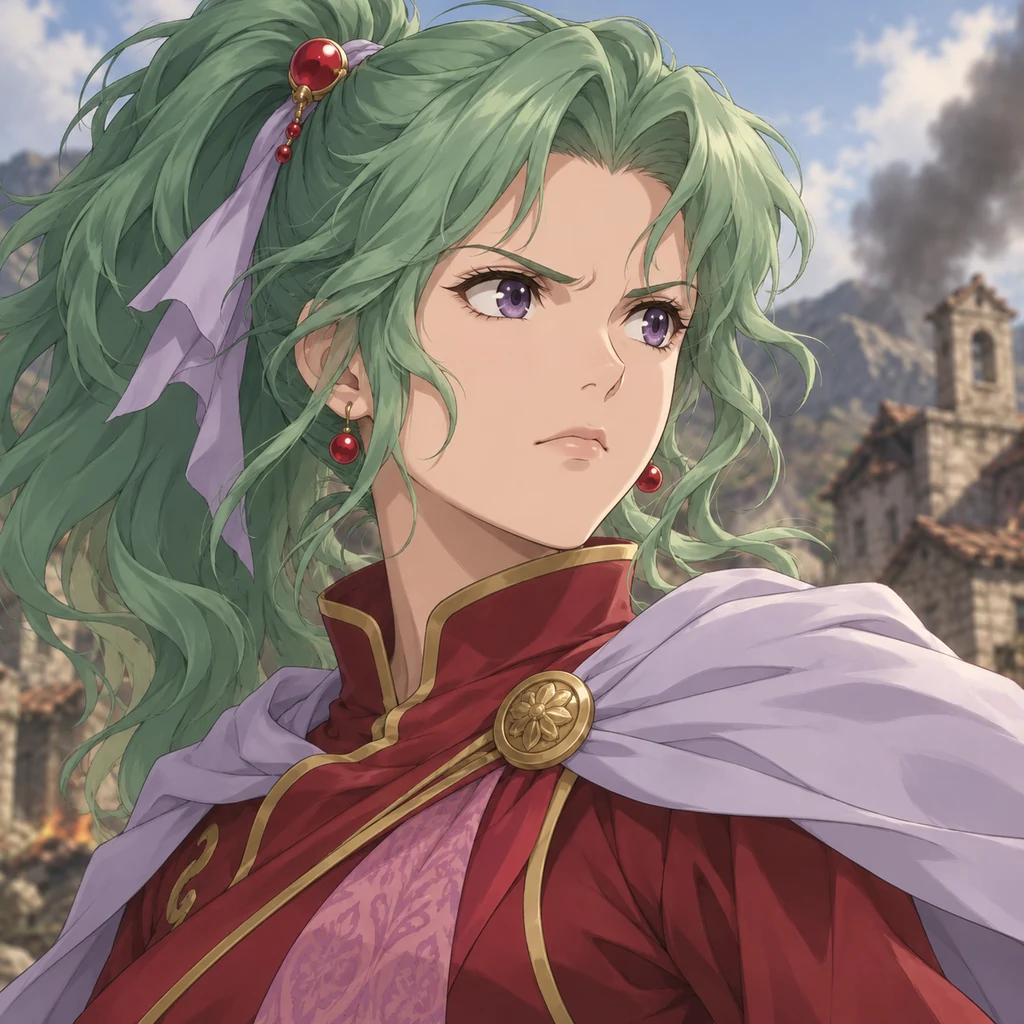


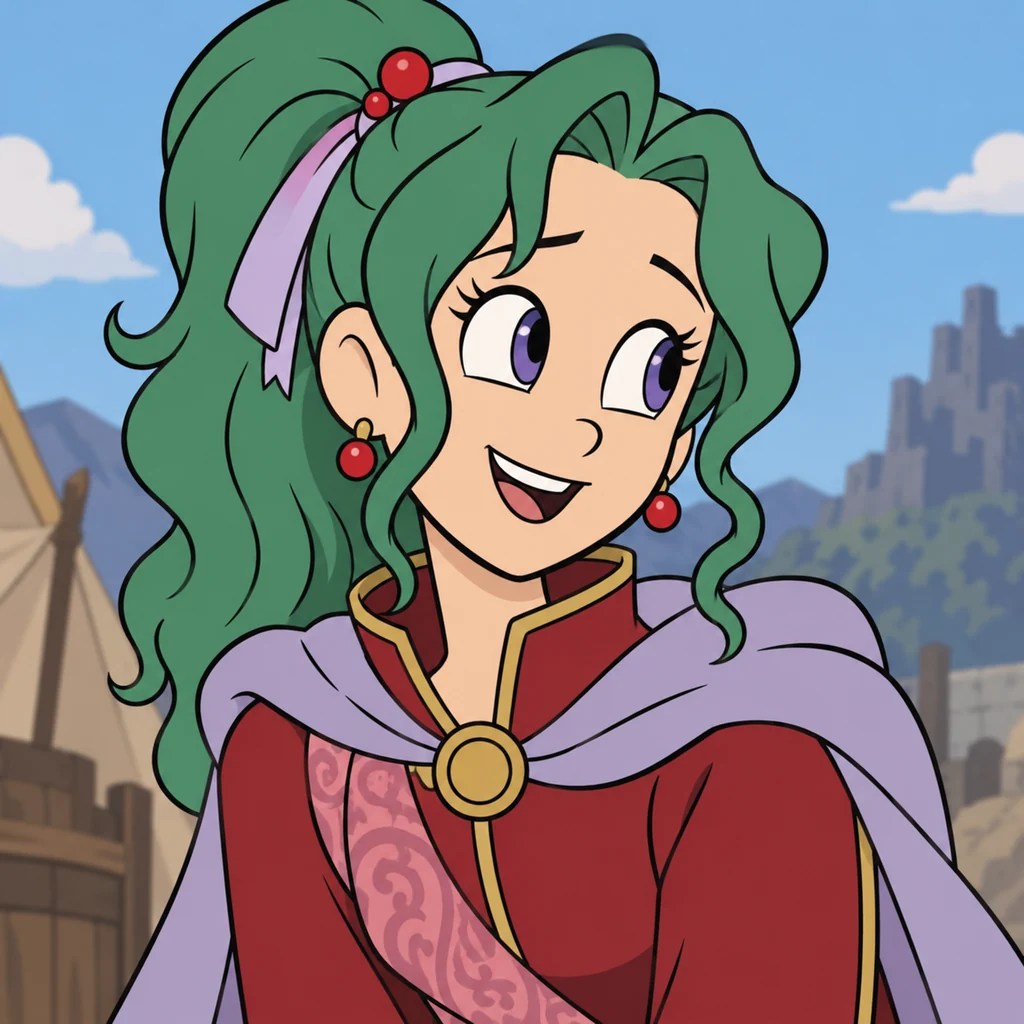
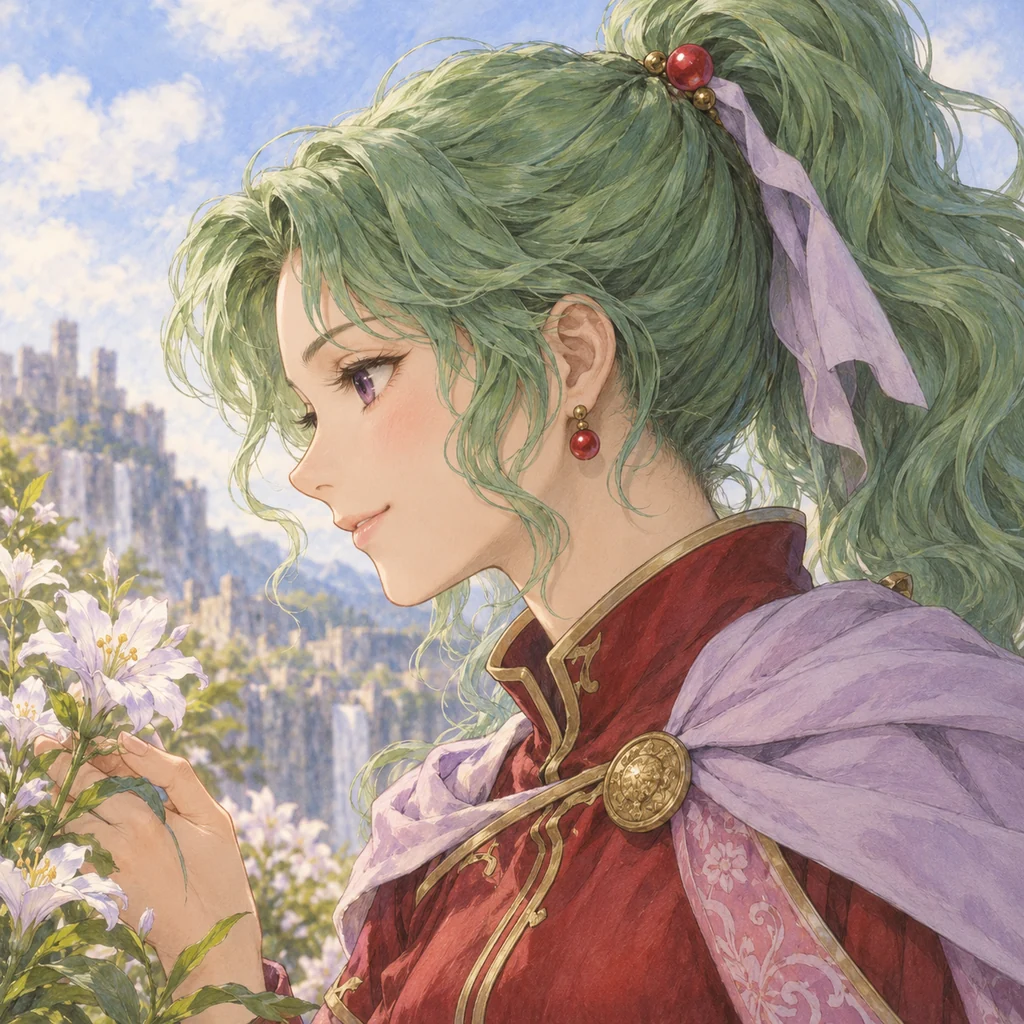
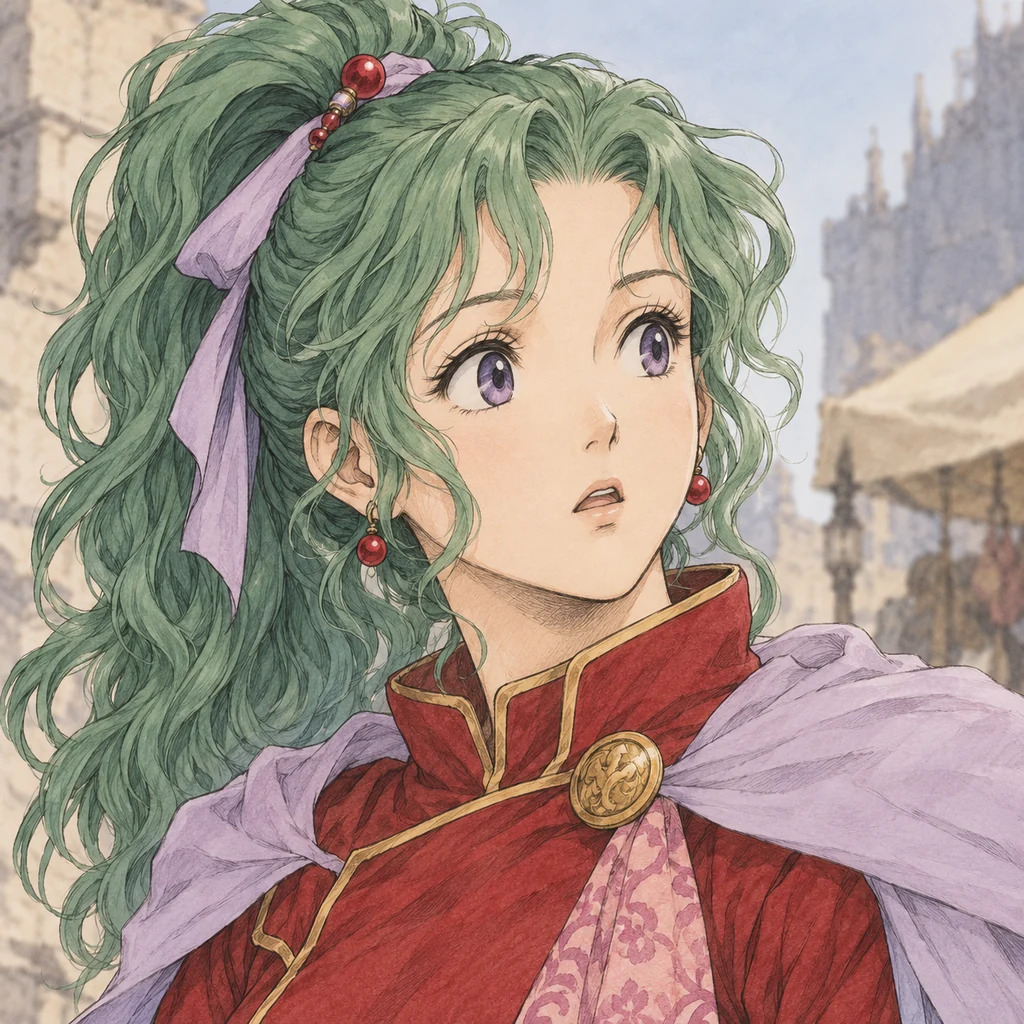
AI-assisted illustrations · Not official anime stills
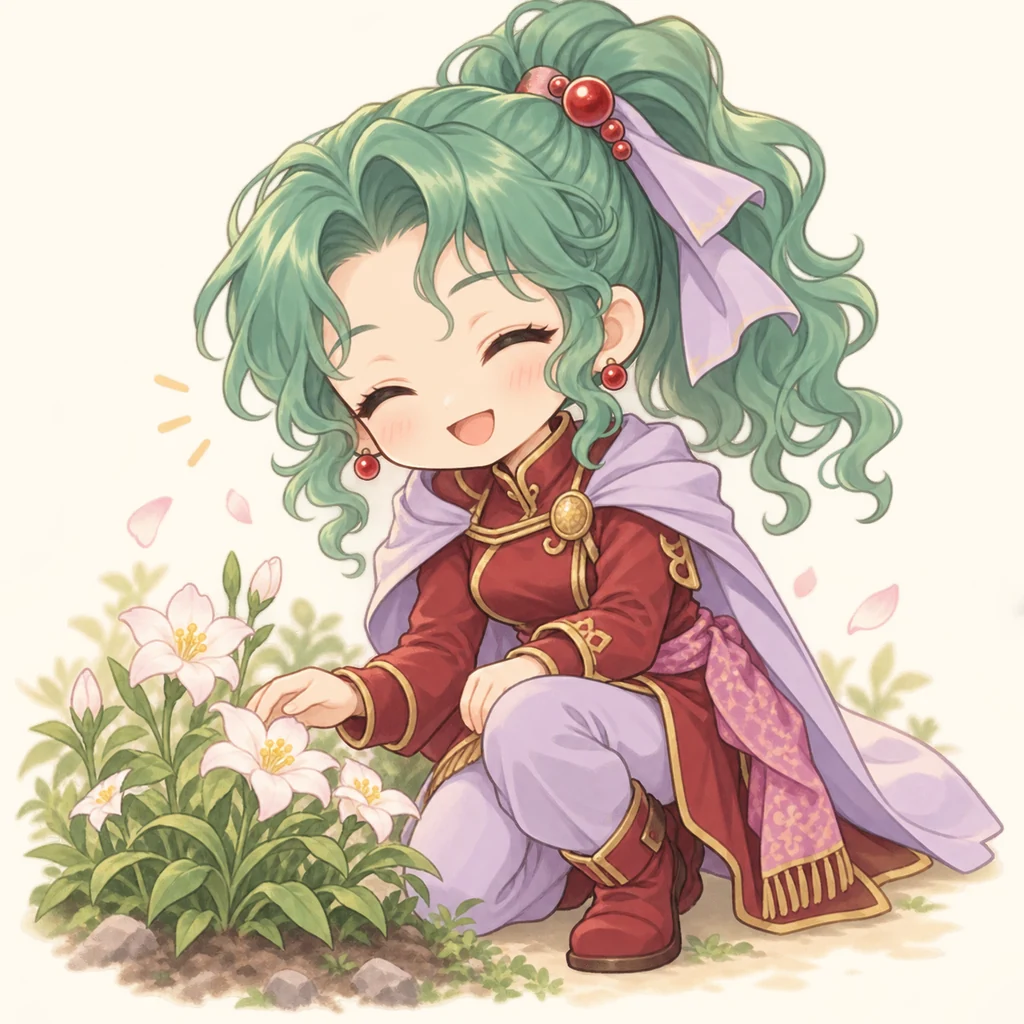

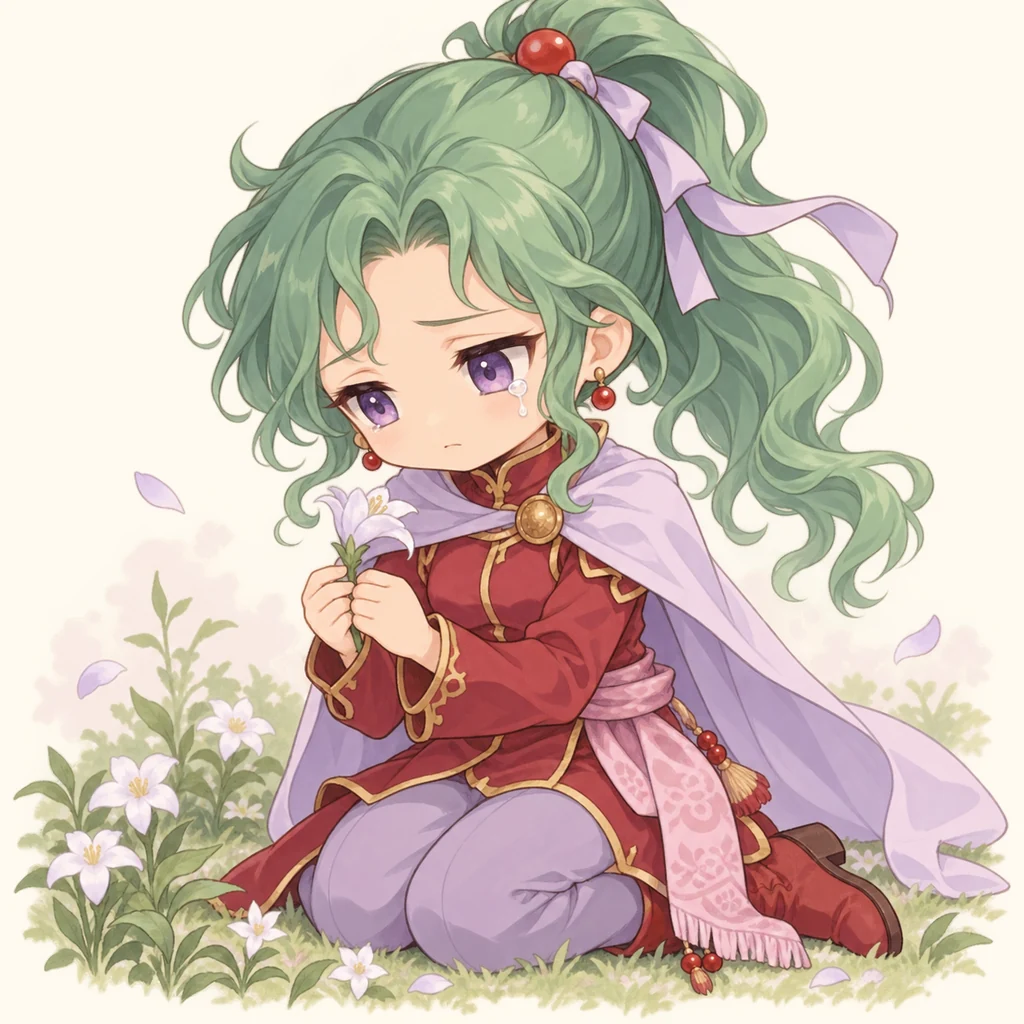


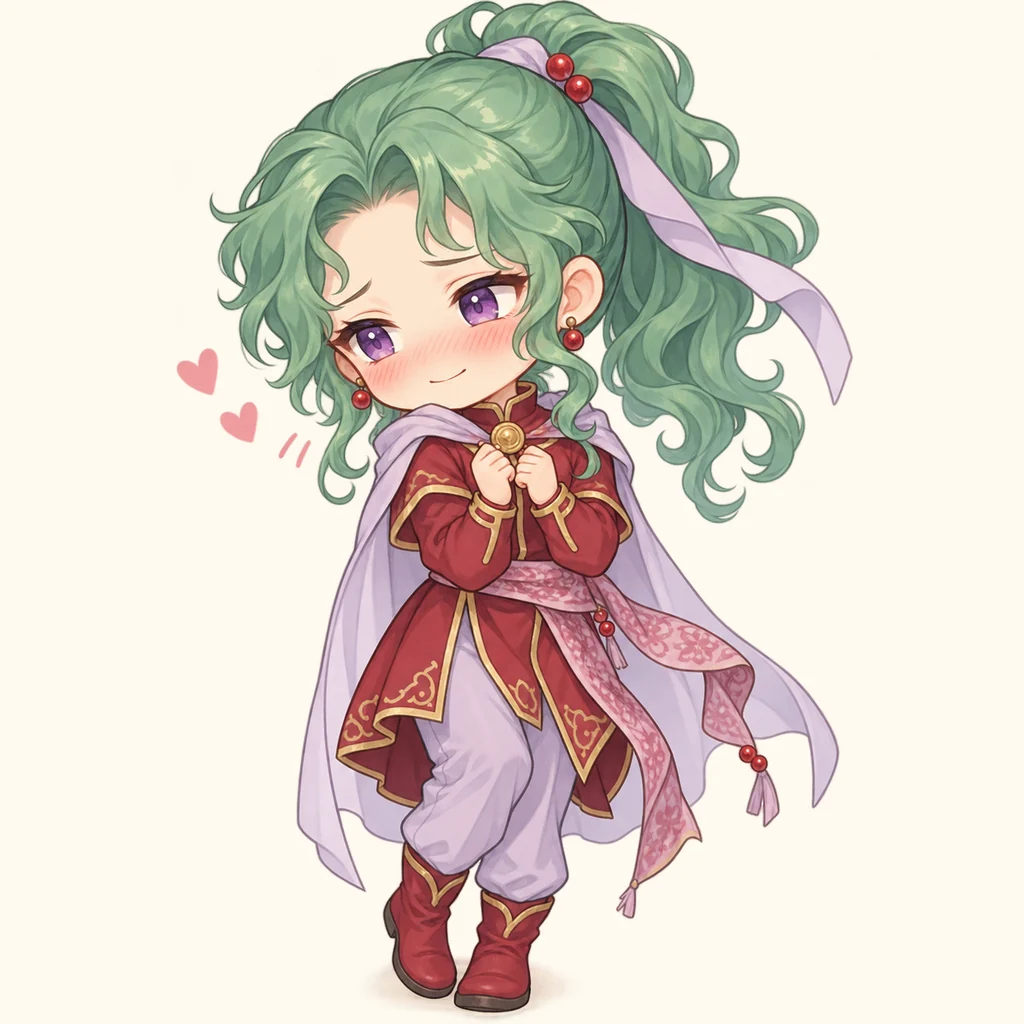
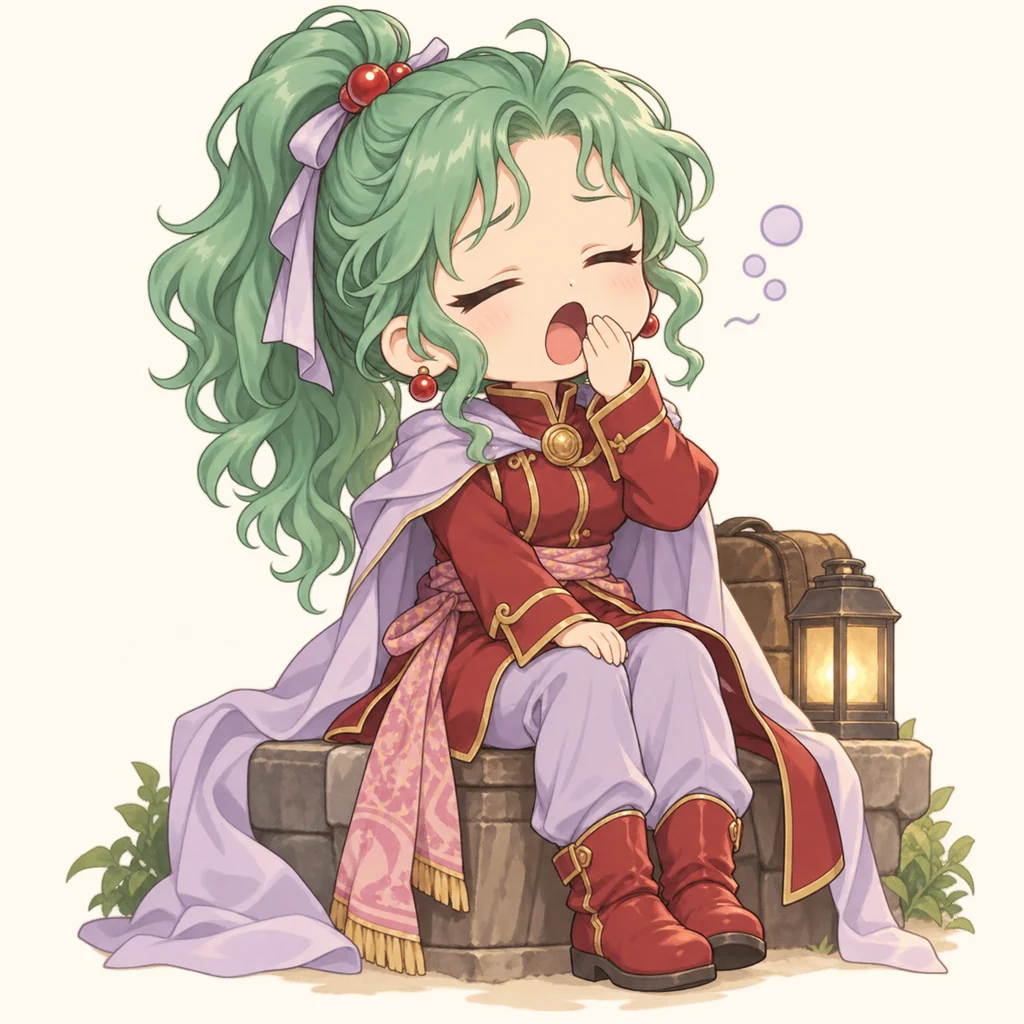

Terra debuted in Final Fantasy VI in 1994. Tina is her original Japanese name and Terra the English localization, not a sister or separate person. Half human and half esper, she can naturally use magic and is an important member of its ensemble cast. This profile follows the original story rather than merging crossover identities into one timeline.
Early uncertainty about memory and feeling makes questions of identity and desire difficult. This hesitation follows being controlled, not an absence of will. Through relationships she begins connecting power with specific people she wants to protect. Gentleness is not a flaw, and acting with resolve need not erase sensitivity or doubt.
She begins under Imperial control during the Narshe assault, then faces pursuit and amnesia after that control breaks. Help from Locke and others brings her to the Returners and toward understanding her esper heritage. After the world’s ruin she cares for orphans in Mobliz, later fighting again for their future. That commitment grows from her own bonds, beyond a requirement to rejoin the party.
Her father is an esper and mother human; other party members need not be turned into relatives. Celes is a companion, not a sister. Fans may favor pairings with Locke or Edgar, but the original does not establish either as her romantic partner. The Mobliz children see her as a mother figure, not their biological mother.
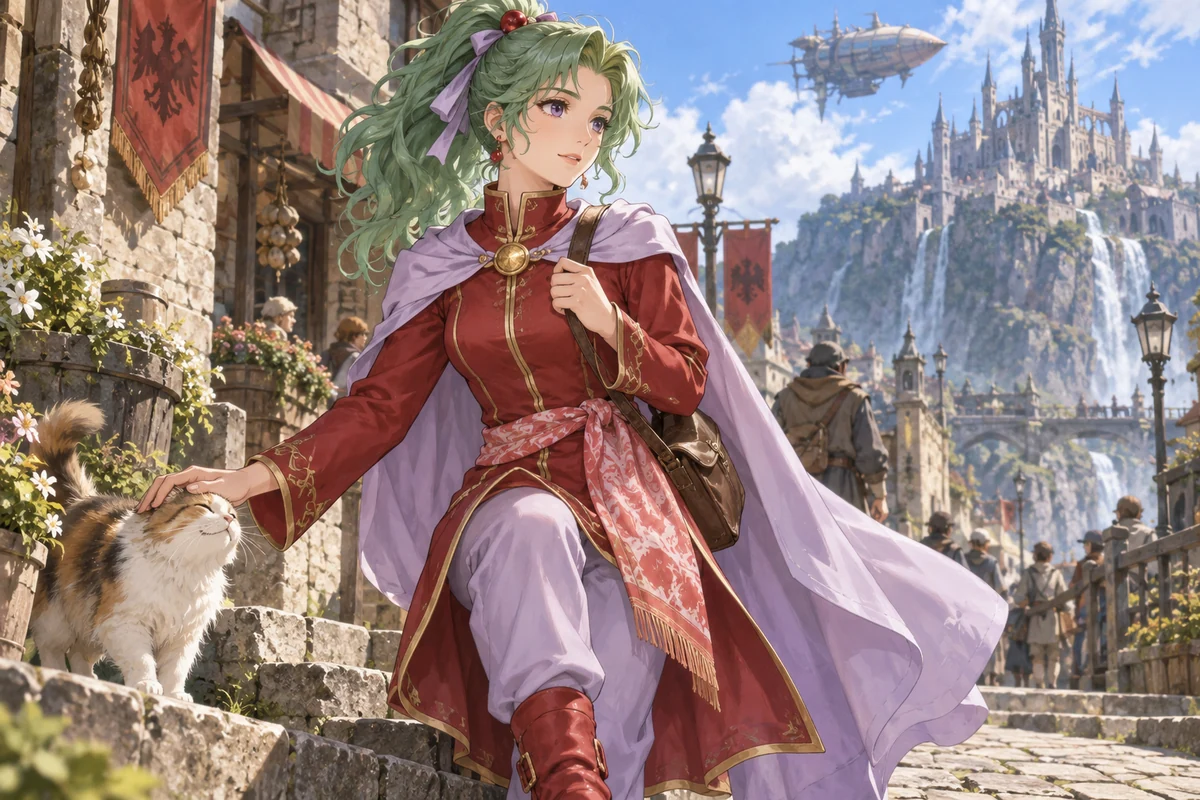
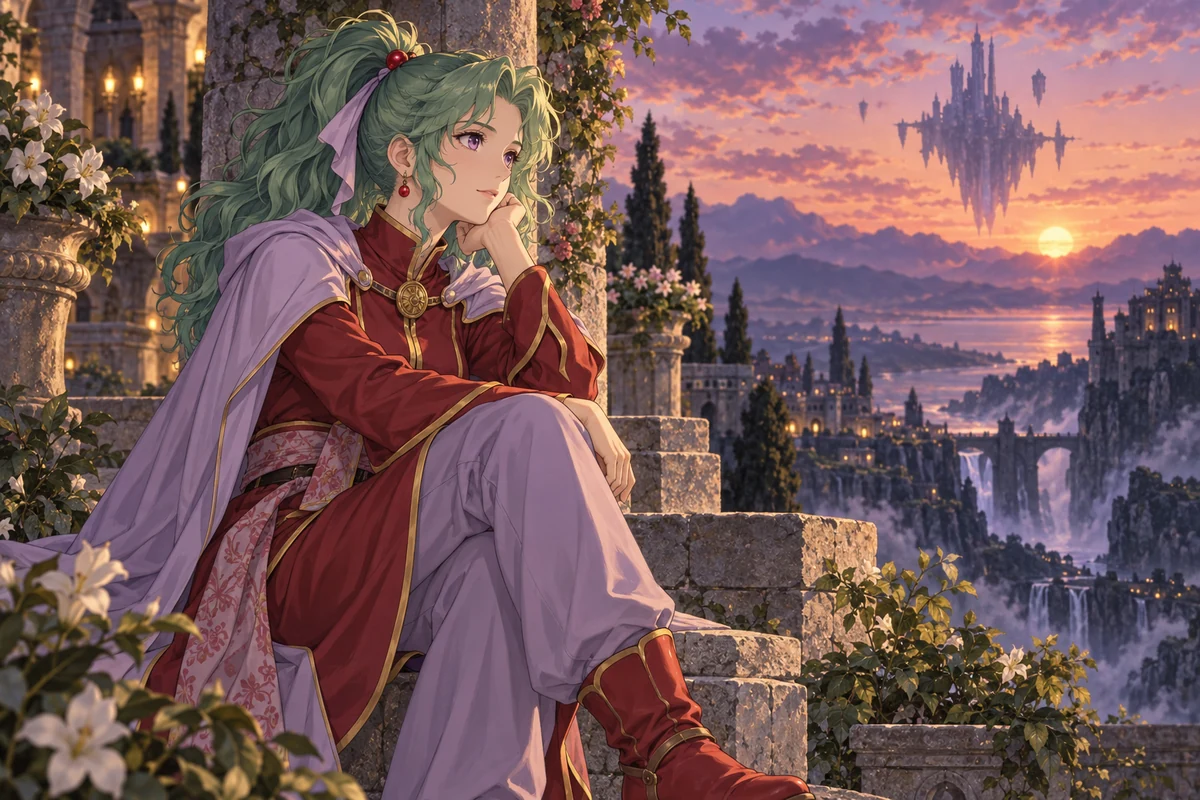
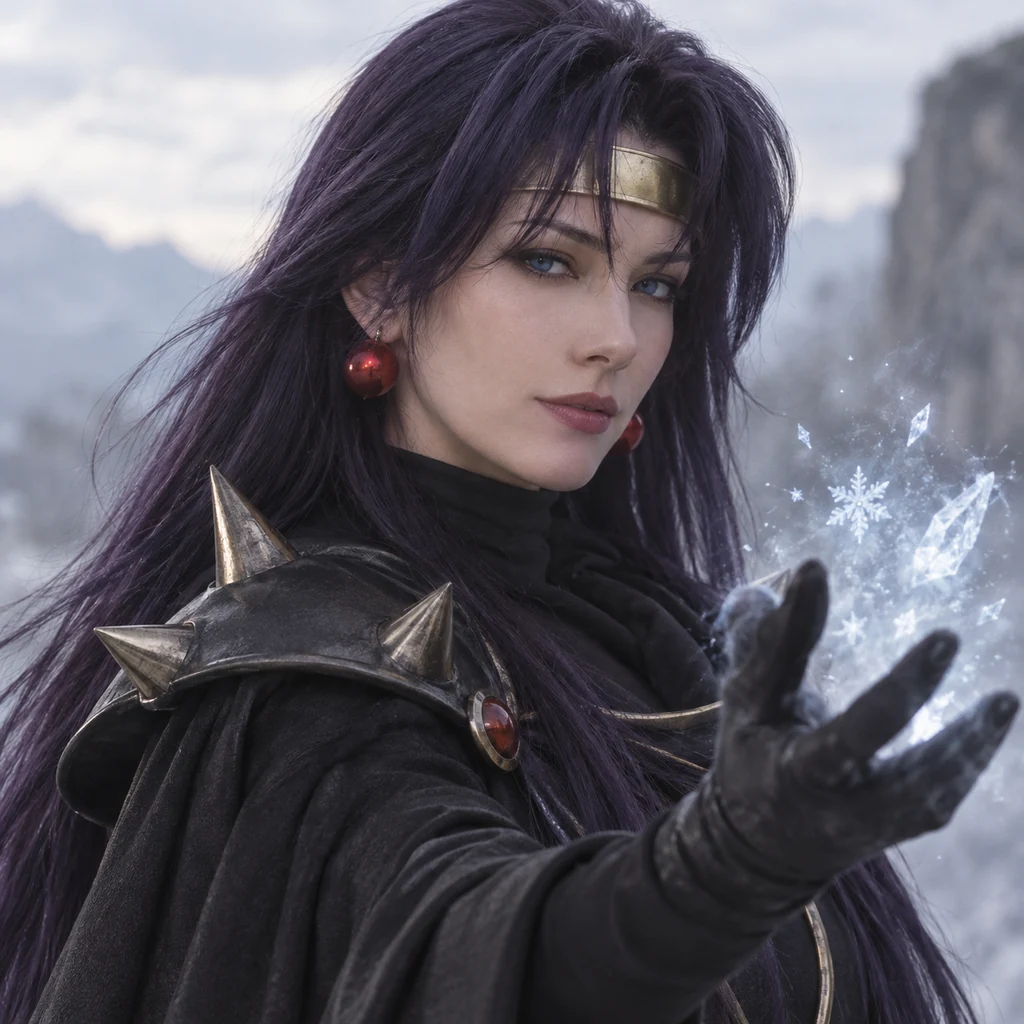
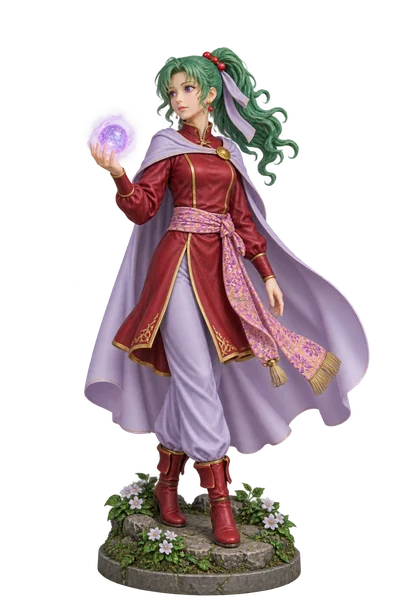
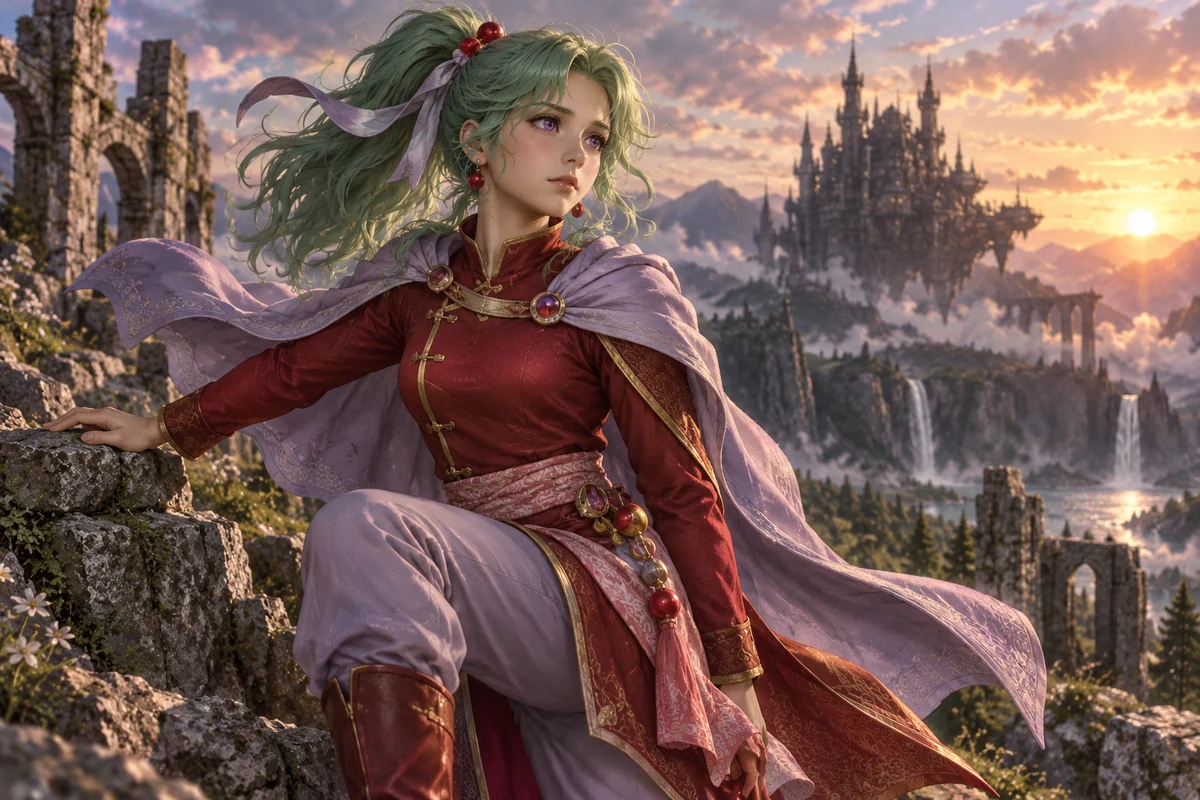
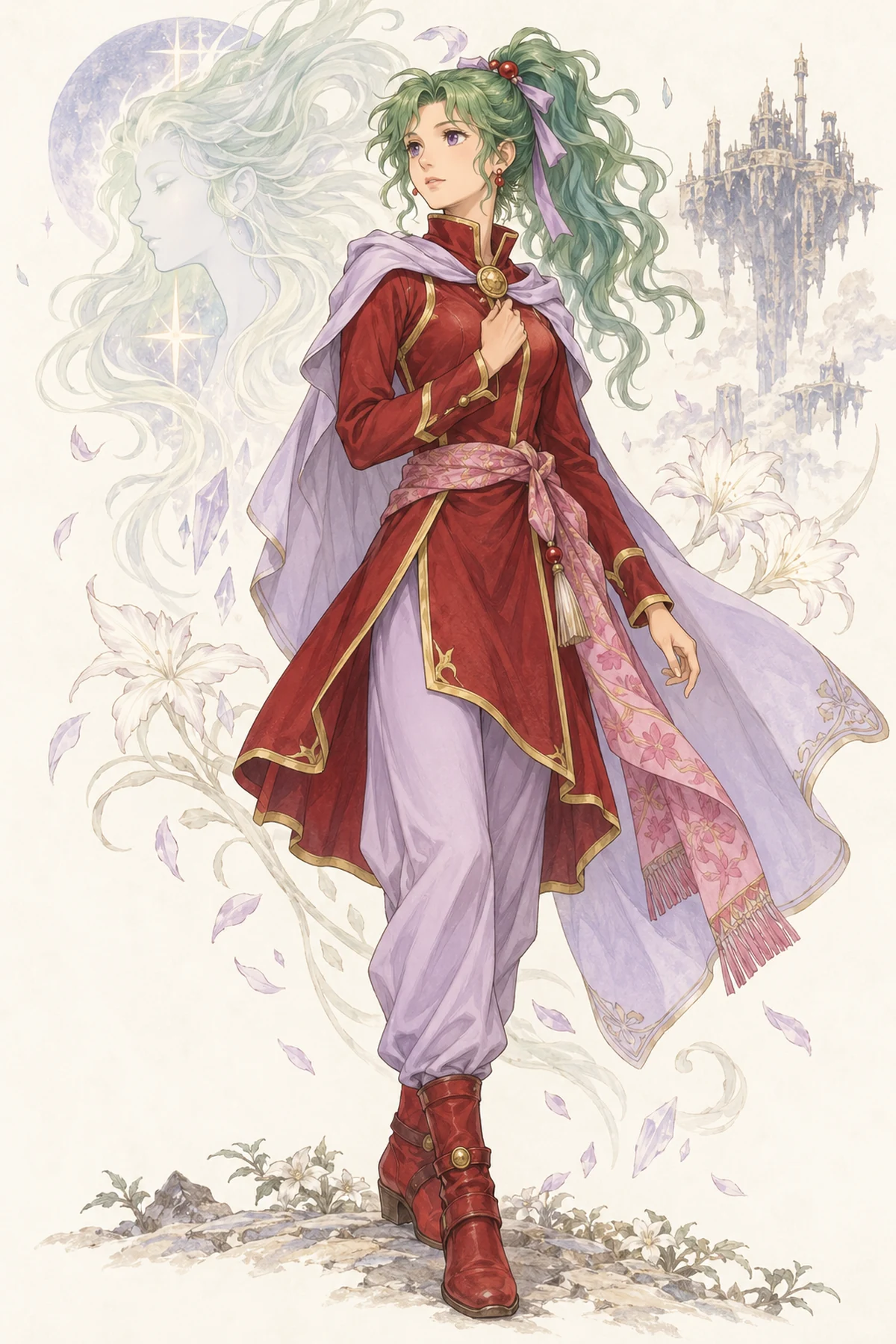
Green hair appears in original sprites, while Amano artwork and some later versions use blonde. These images consistently use a green ponytail, crimson clothing and pale cape, adapted into a fully covering long-sleeved outfit and trousers. Photographic avatars are not actor photos and transparent figures are not official merchandise. WOFF references inform the visual, not the original biography.
The love she comes to understand need not be proved through romance. Caring for children turns a question about having feelings into a choice about whom to act for. Losing an imposed weapon identity can bring her closer to personhood. This is interpretation; an abandoned development idea of her death is not the released ending, which she survives.