 NO.688ANIME
OOTDNv Di
NO.688ANIMEANIME OOTD / CHARACTER ARCHIVE
Nv Di
Hua Jiang Hu: The Degenerate ↗ / 2014
Shui Yunji leads Huanyinfang while governing Qi in her brother’s place. Her dual identity ties martial-world strategy to decisions that affect an entire state.
Huanyinfang leader and ruler of Qi
My figure room →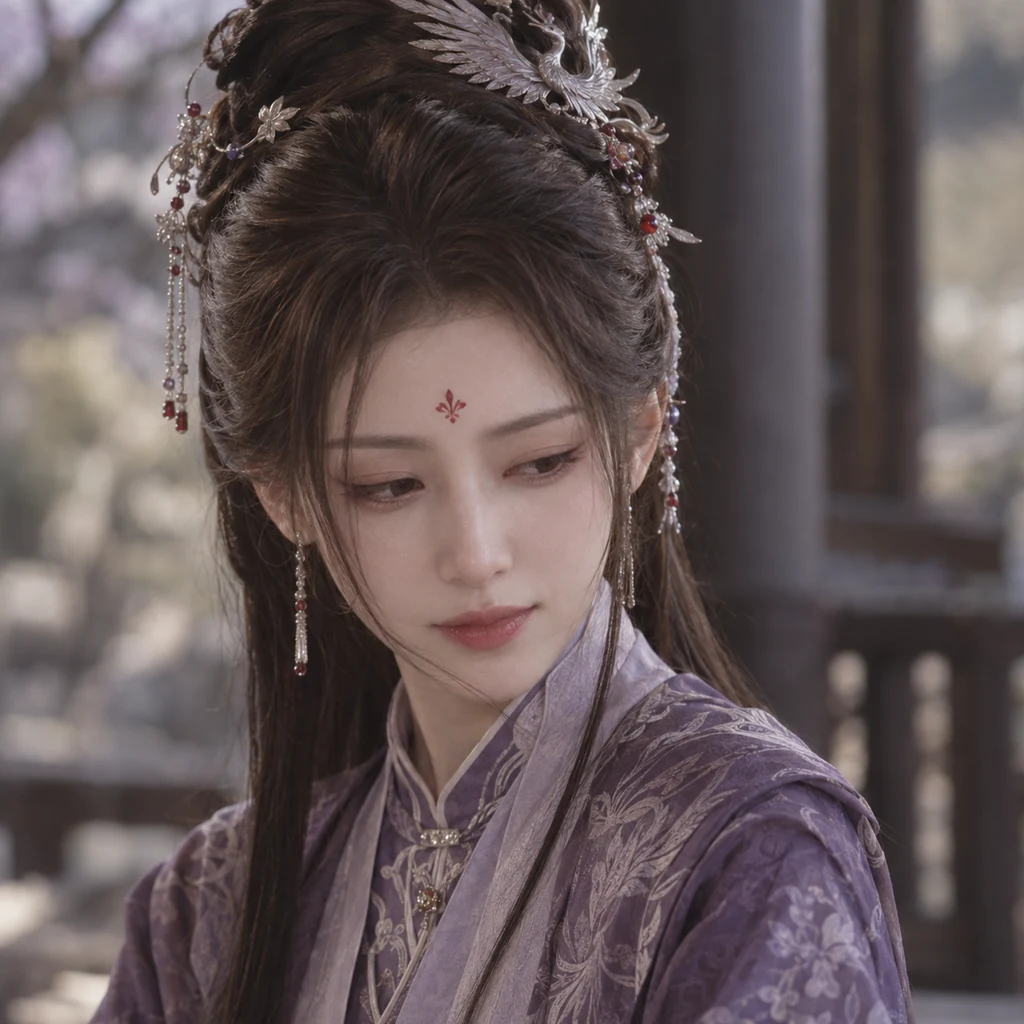
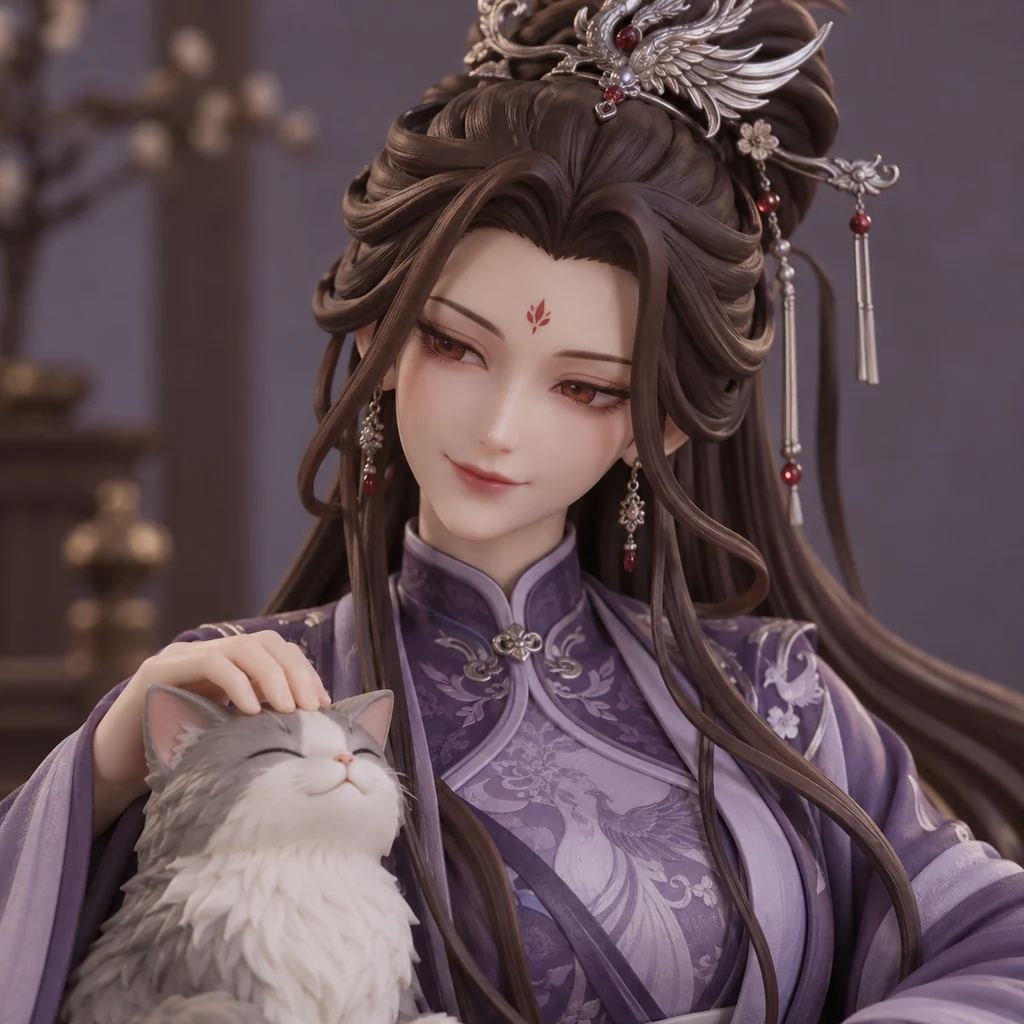
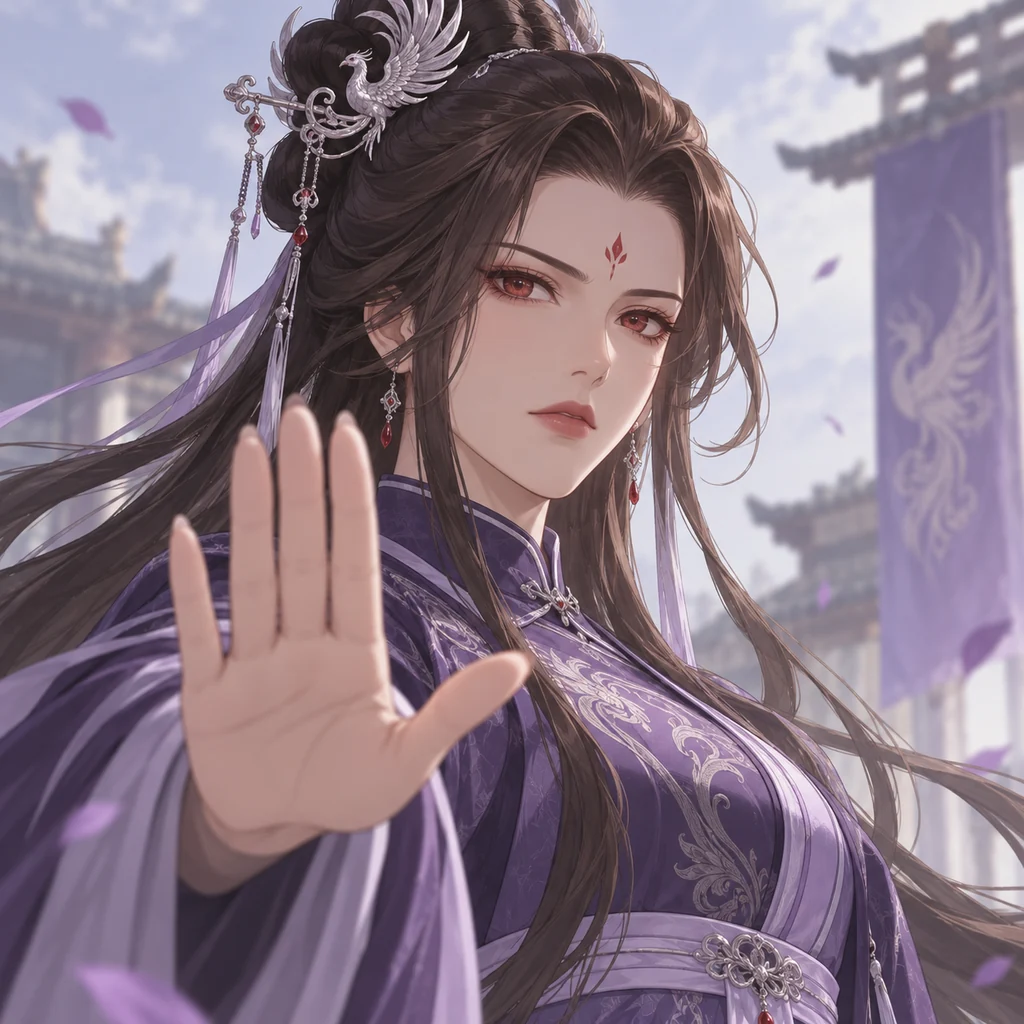



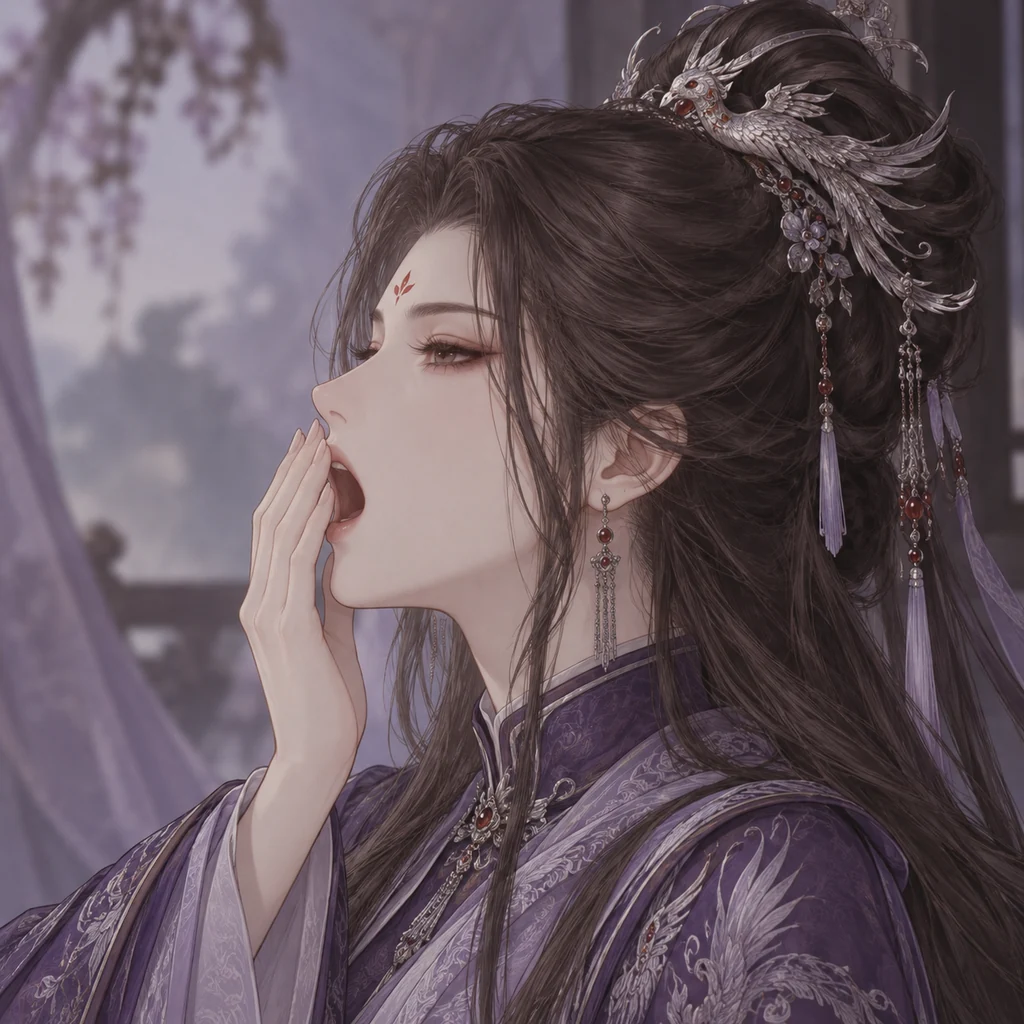
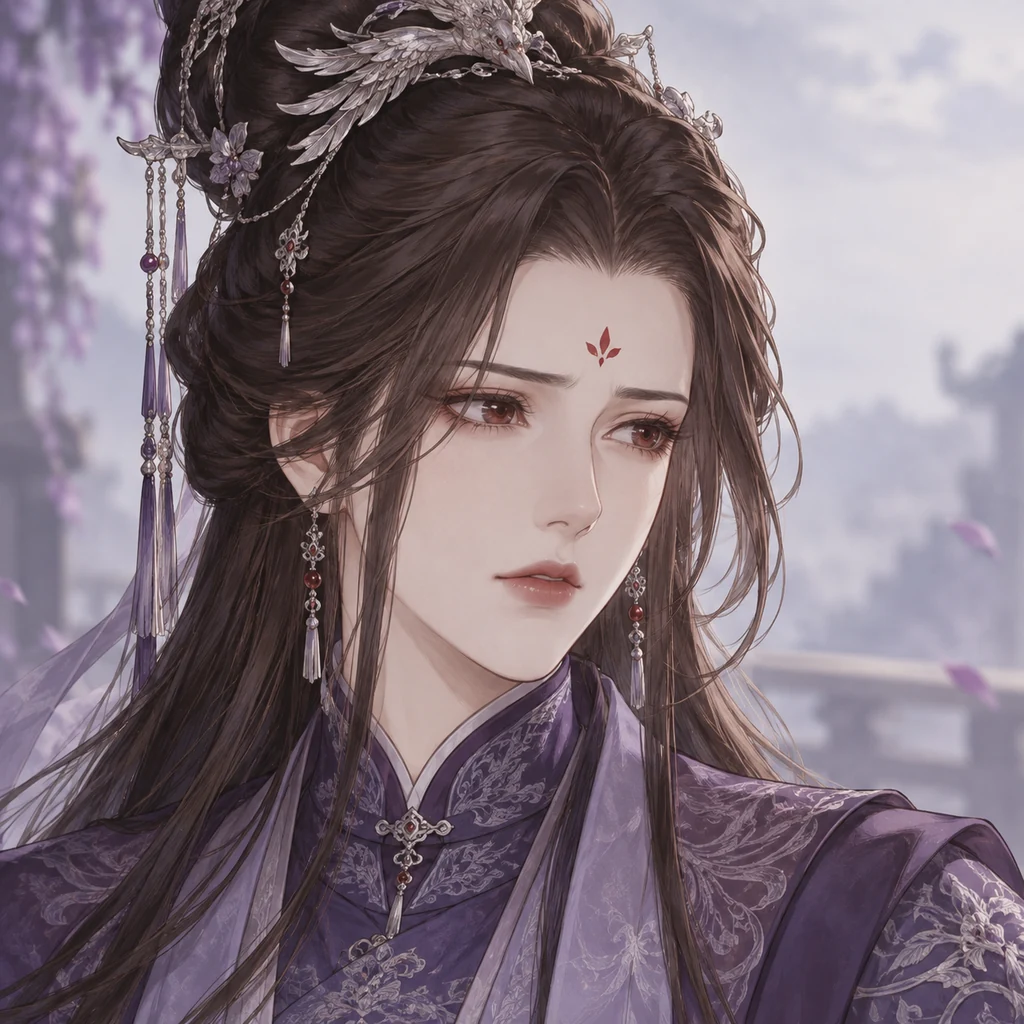
AI-assisted illustrations · Not official anime stills





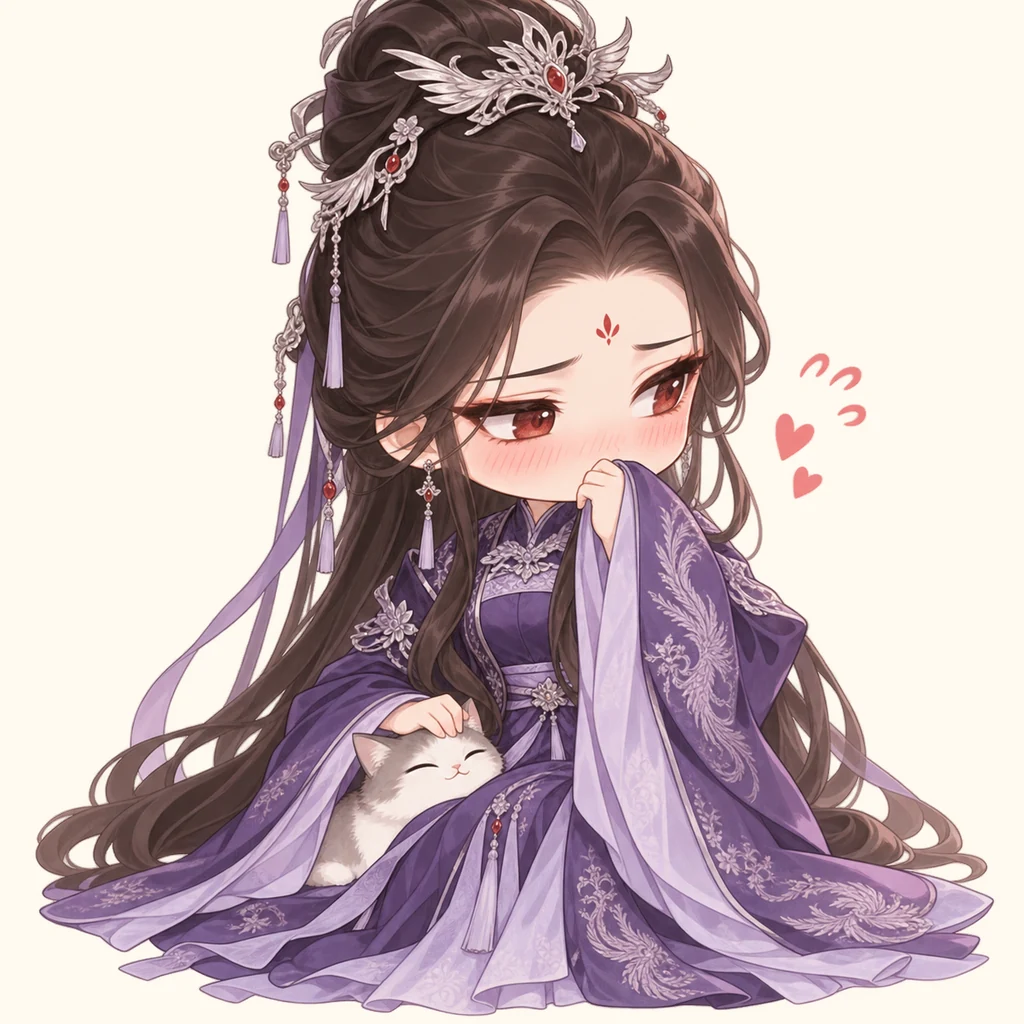
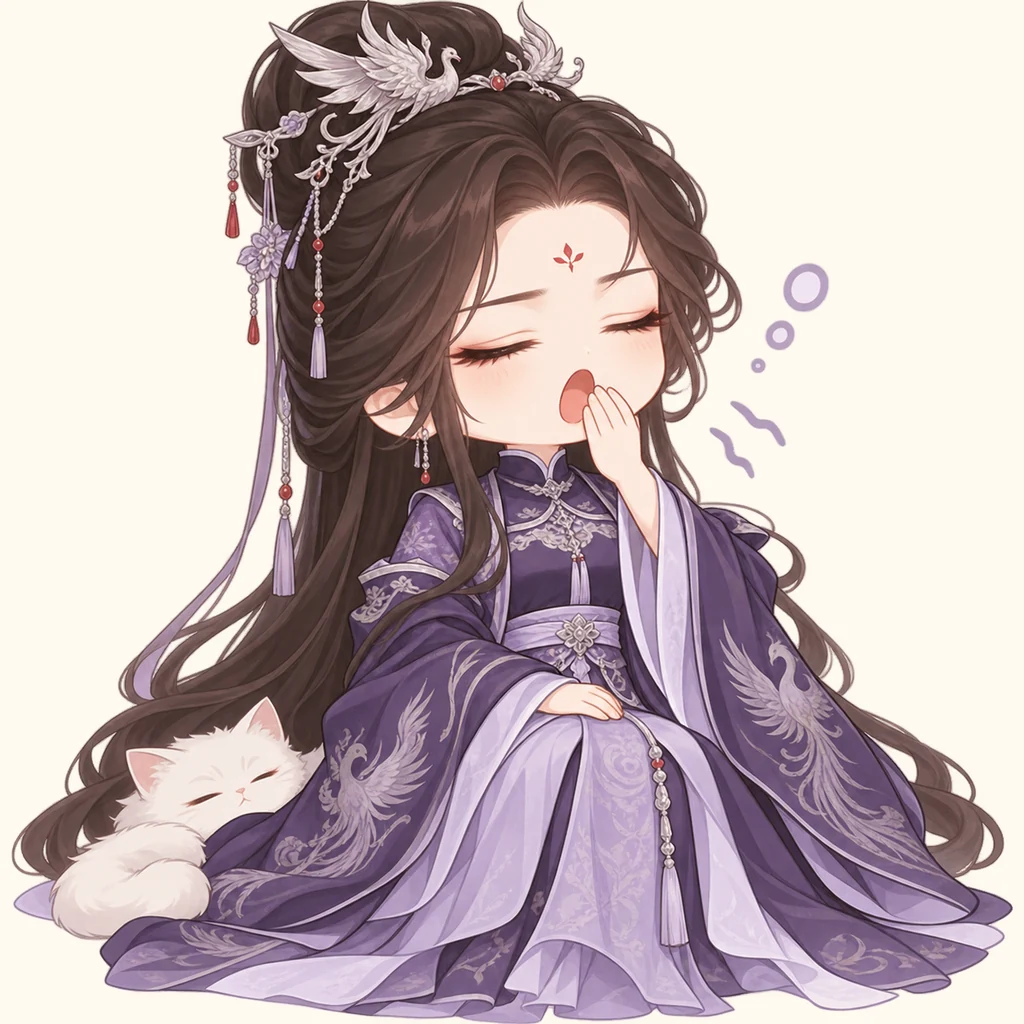

Nv Di, also called Shui Yunji, leads Huanyinfang in Hua Jiang Hu: The Degenerate and appears in its first animated season, launched in 2014. She also governs Qi under the identity of its prince. The titles connect an underground organization with a regional state, placing two kinds of responsibility on one person.
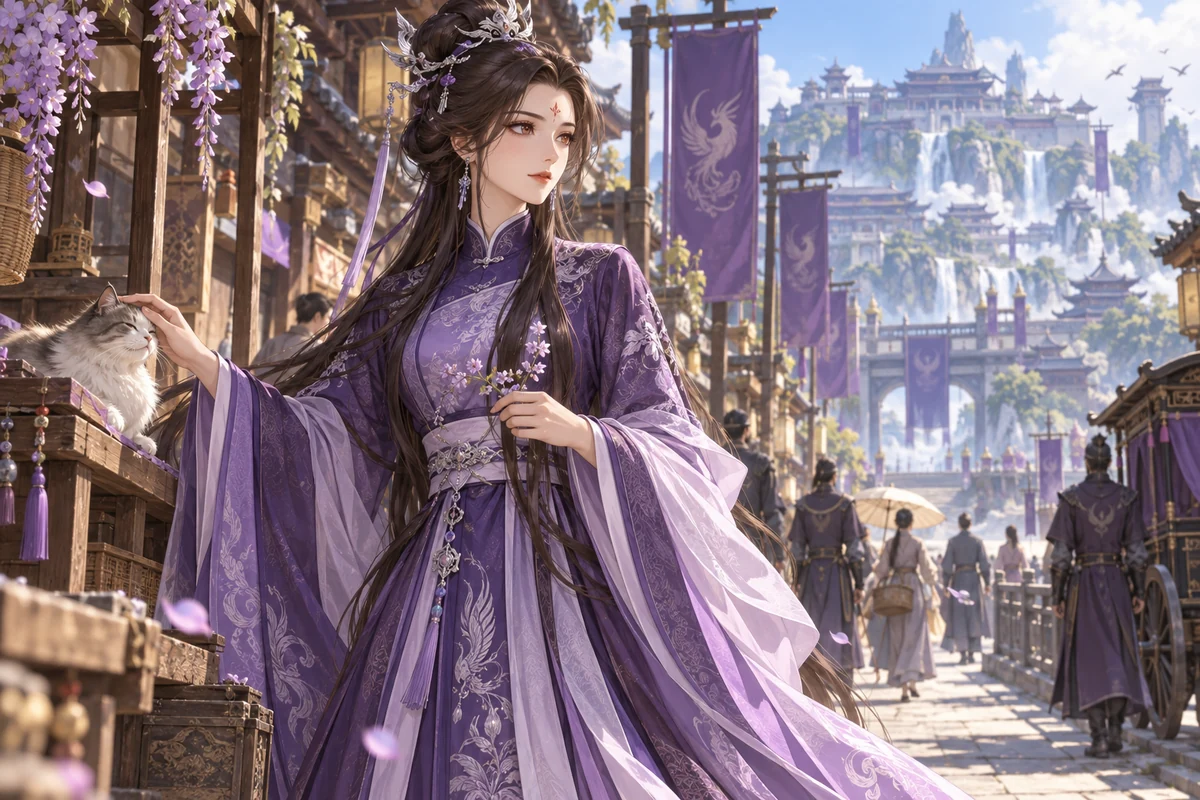
Her authority rests on information, timing and the direction of her followers as well as martial strength. Public decisions require composure; private moments with her cat allow another register. The contrast works because it gives a ruler a brief release from performing authority, rather than simply making a capable person foolish.
After her brother Li Maozhen leaves, she administers Qi for years. The Longquan treasure and Li Xingyun’s identity draw Huanyinfang into larger political struggles, where personal preference is not enough to guide decisions. Their third-season reunion brings family loyalty into conflict with protecting Qi, revealing how far she has grown beyond holding her brother’s place.
Li Maozhen is her brother, not another name for the same character, although she has used his princely identity. Ji Ruxue belongs to Huanyinfang and is her subordinate, not her biological daughter. Li Xingyun connects political interests with personal affection without being an established husband. The Nine Holy Maidens are members she leads, not nine biological sisters.
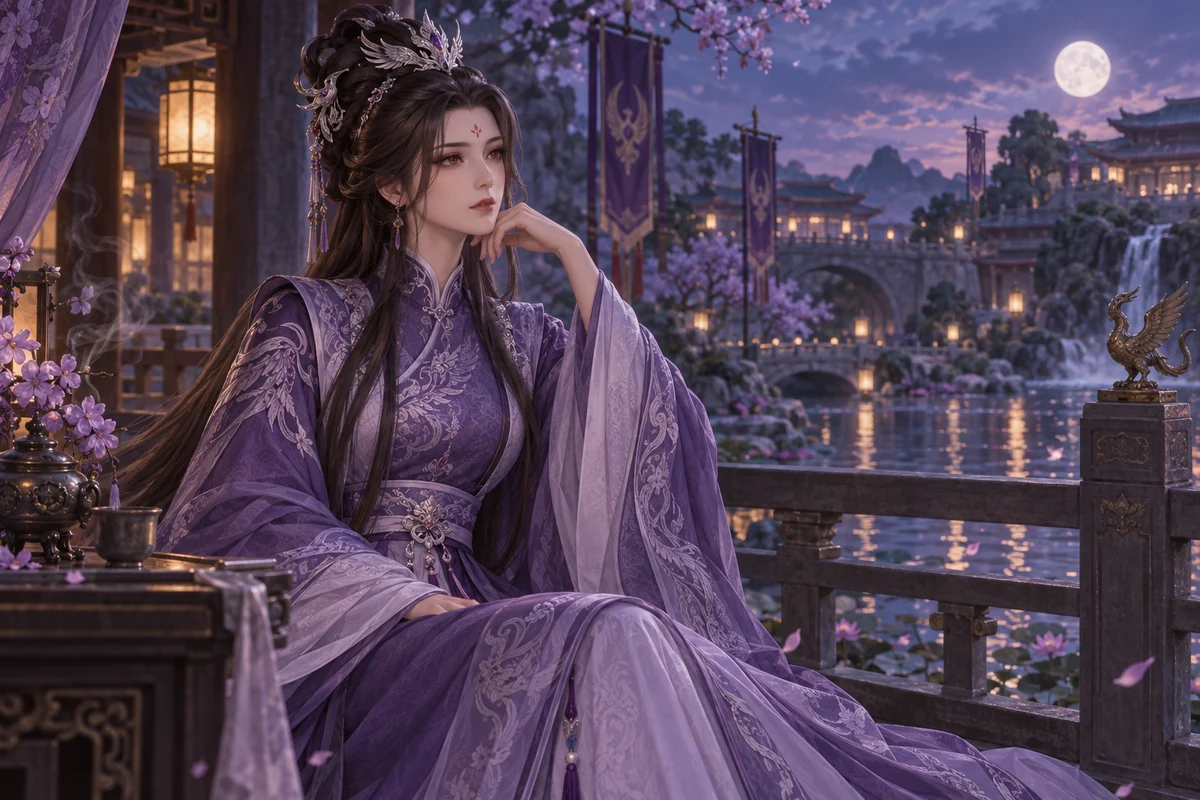
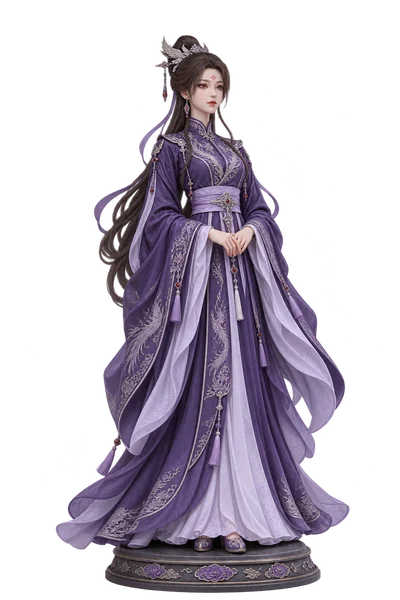
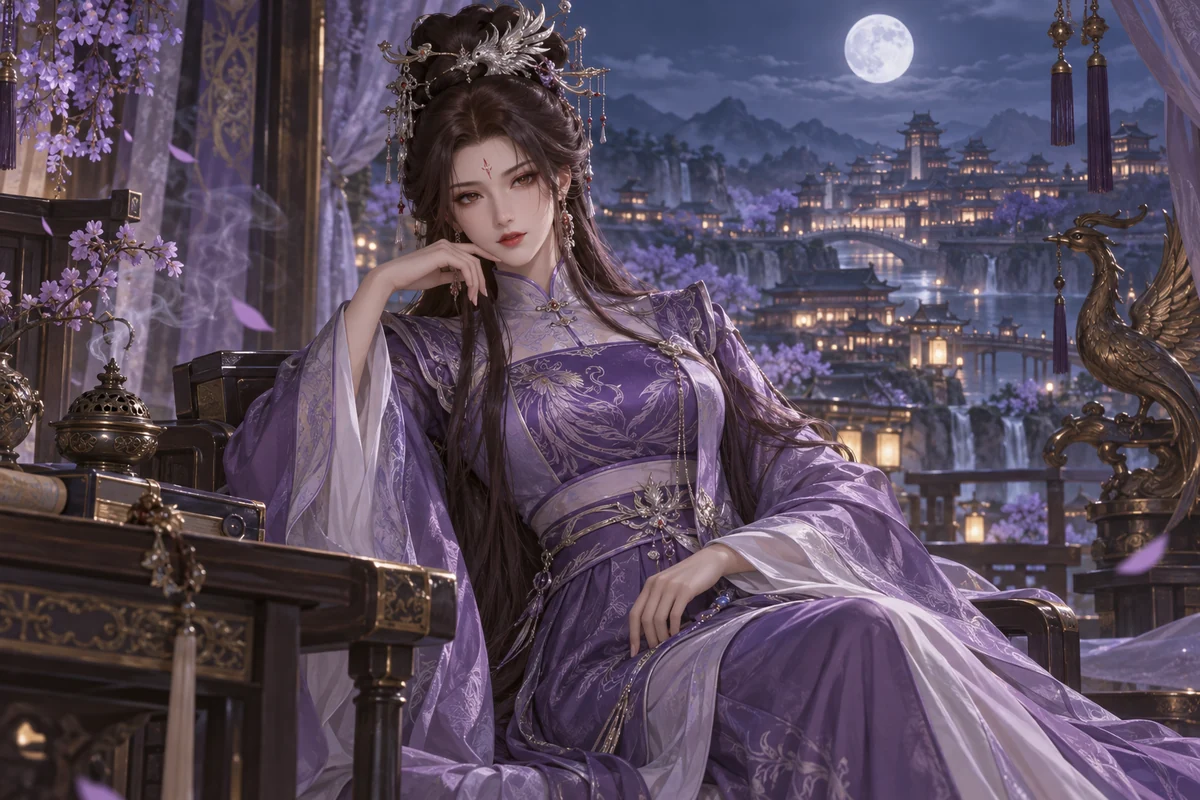
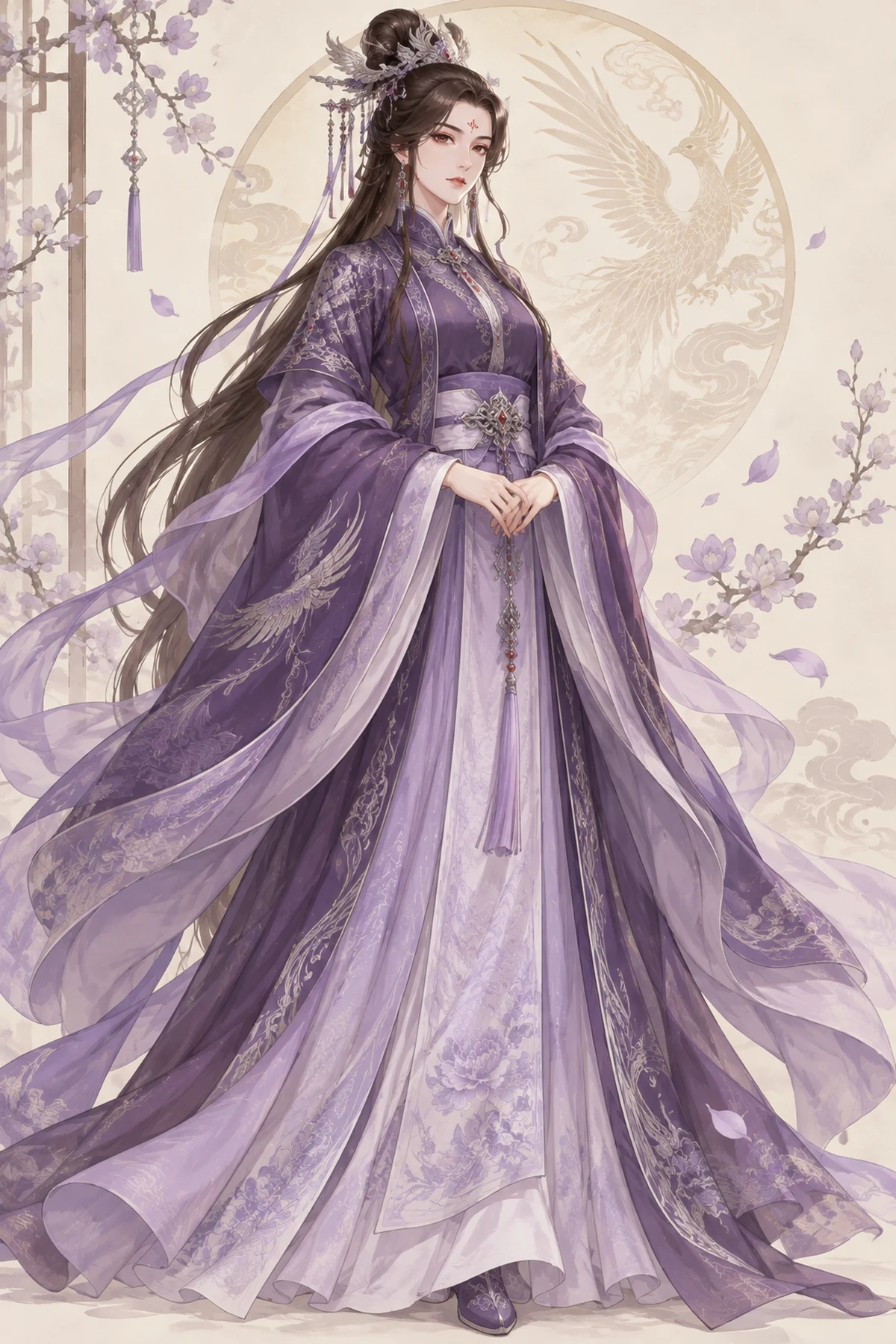
Purple robes, elaborate hair ornaments, a forehead huadian and swept-up long hair distinguish her Empress appearance. Her princely clothing serves a different public identity. This fan set uses the Empress version with full robes and restrained gestures, without borrowing a live-action actor’s face or presenting redesigned clothing as an official new costume.
A useful question is whether she is merely playing the prince or has become the person genuinely carrying the state. A title can be borrowed; years of decisions and consequences cannot. Comparing her choices before and after her brother’s return reveals growth beyond romantic speculation. This is a reading of the story, not an undisclosed official conspiracy.