 NO.702ANIME
OOTDTao Yao
NO.702ANIMEANIME OOTD / CHARACTER ARCHIVE
Tao Yao
Fairies Albums ↗ / 2020
She treats spirits, but their illnesses often lead to human regrets; behind her lazy smile is a judgment she does not always explain.
Traveling spirit physician from Taodu
My figure room →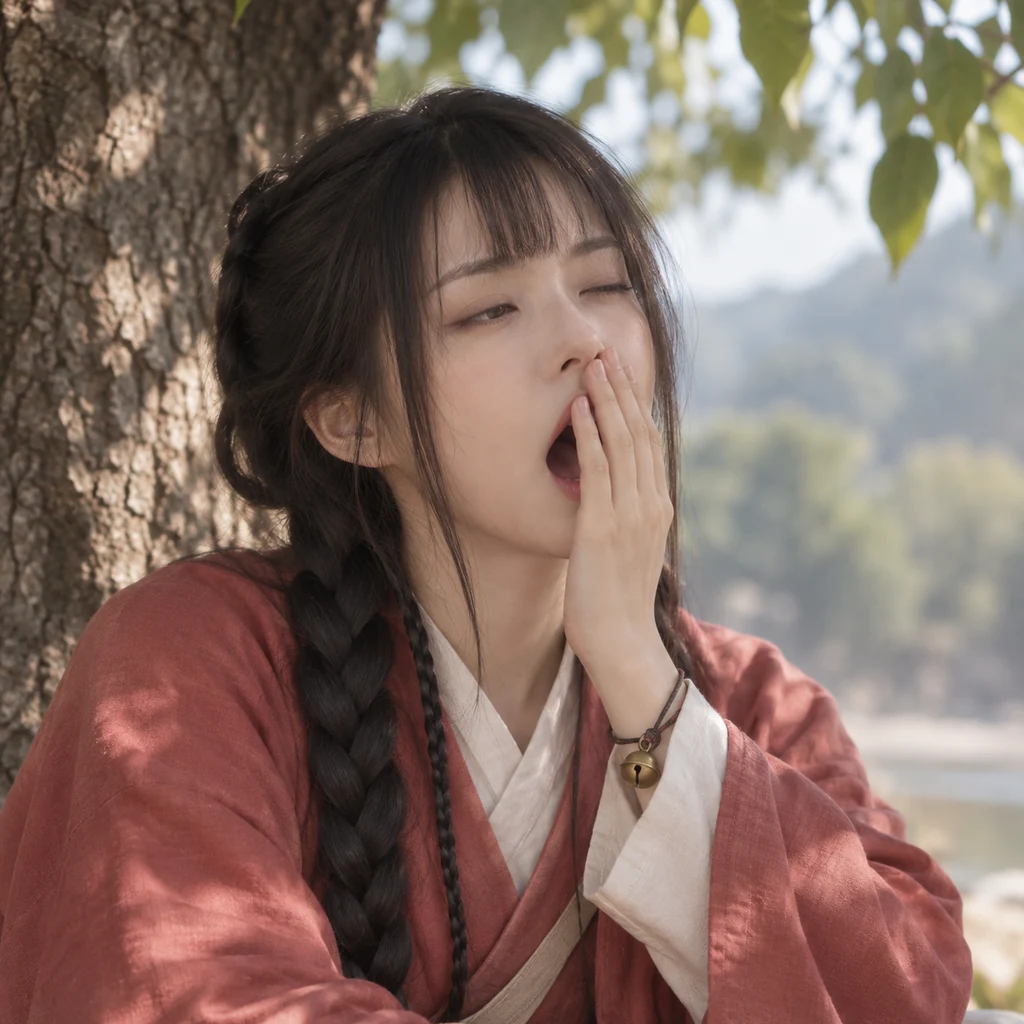
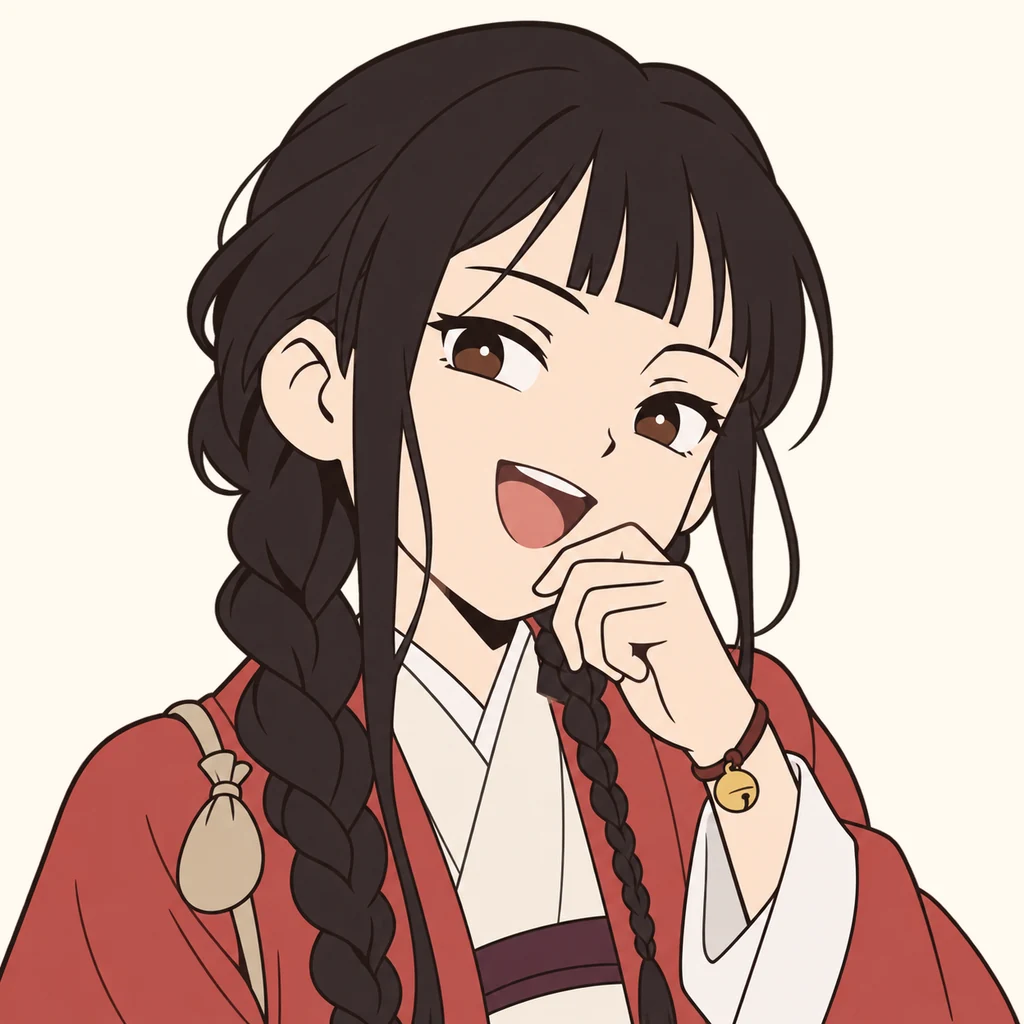
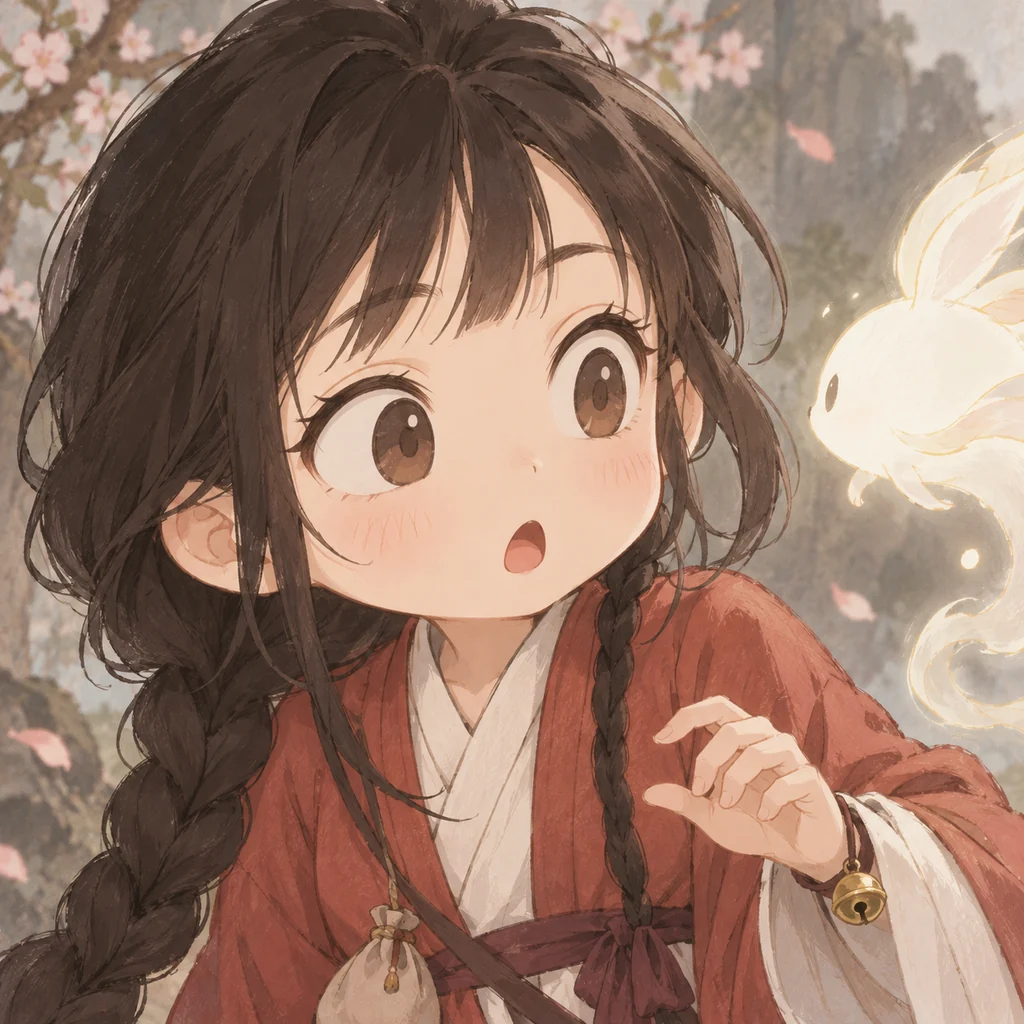
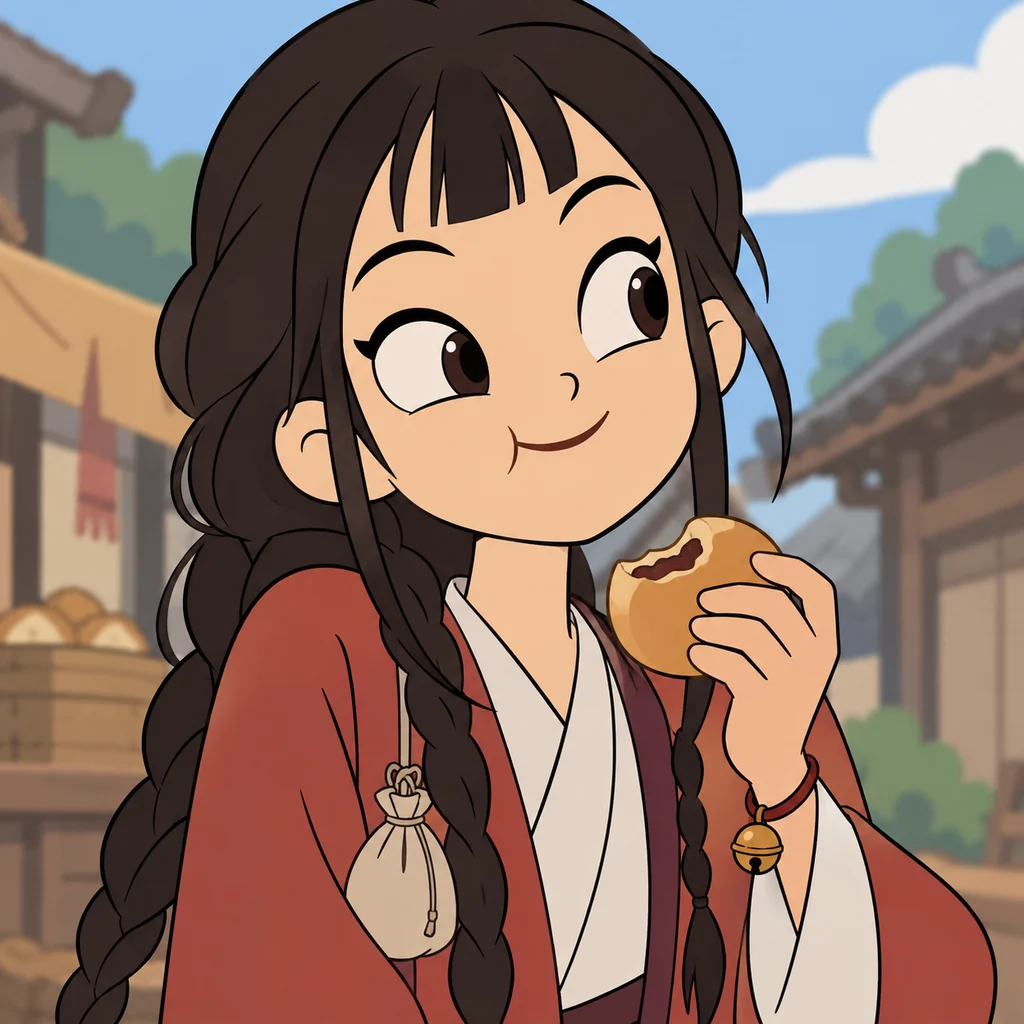
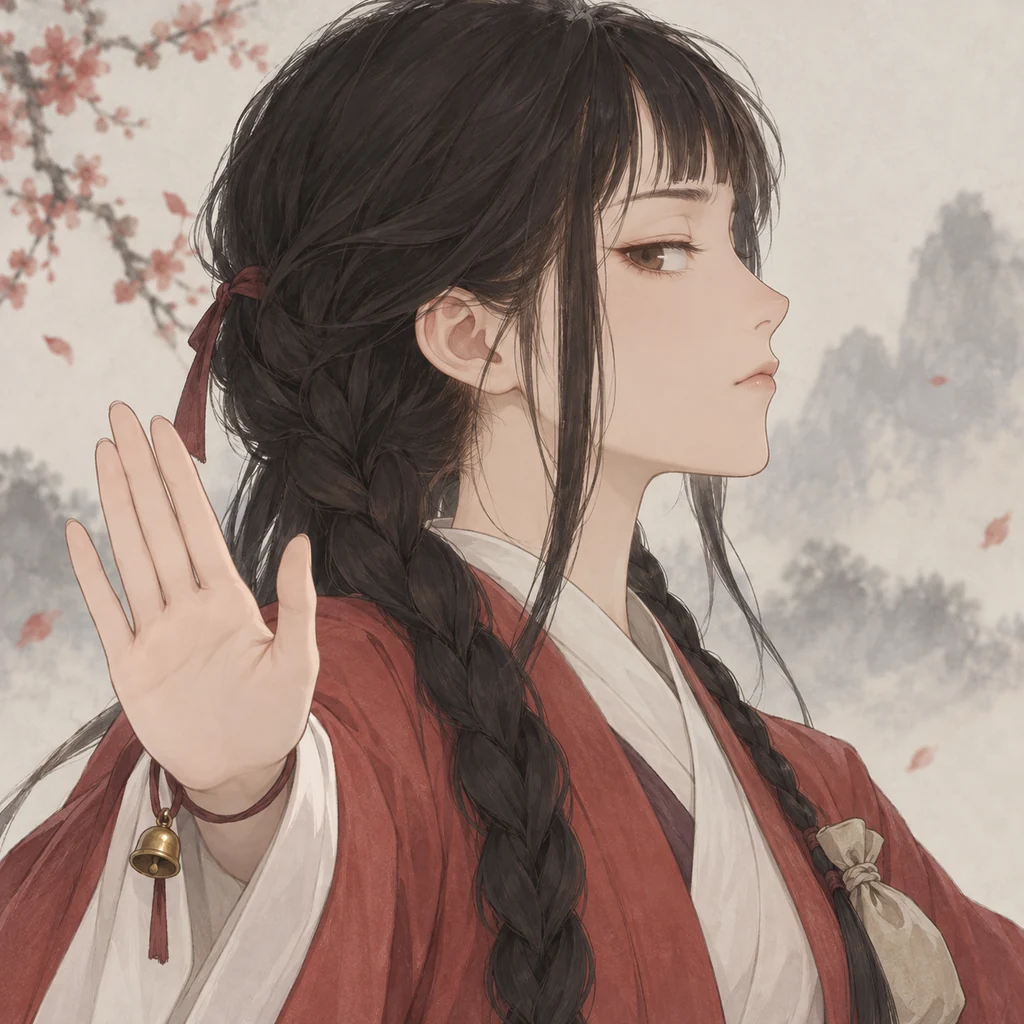
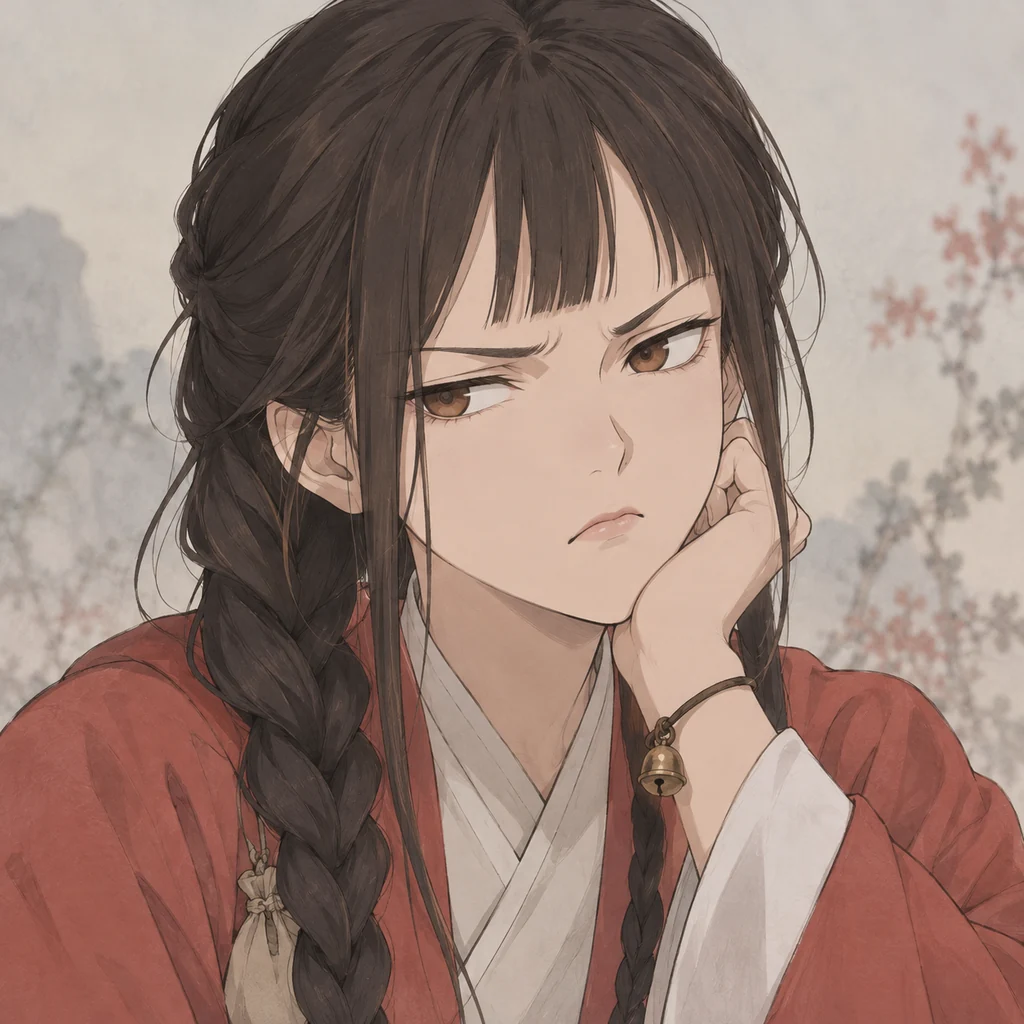
AI-assisted illustrations · Not official anime stills
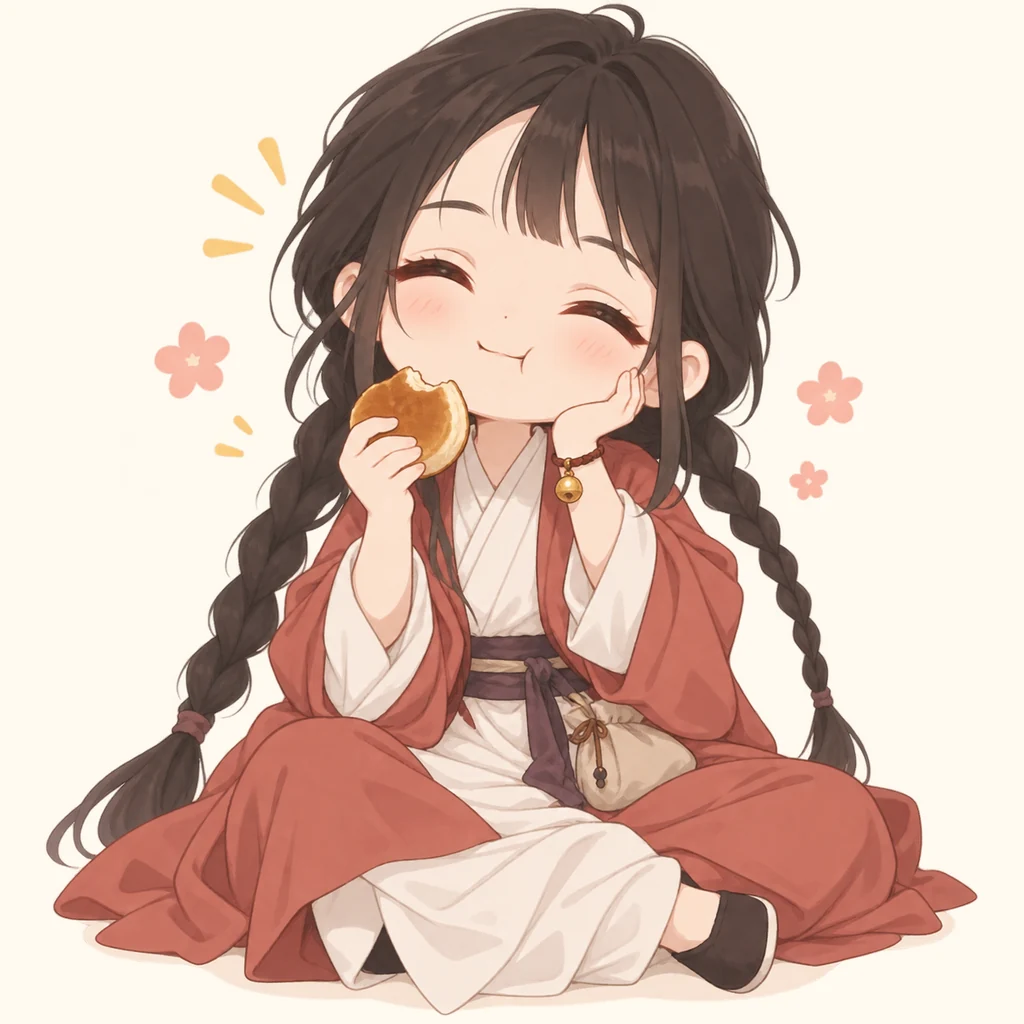
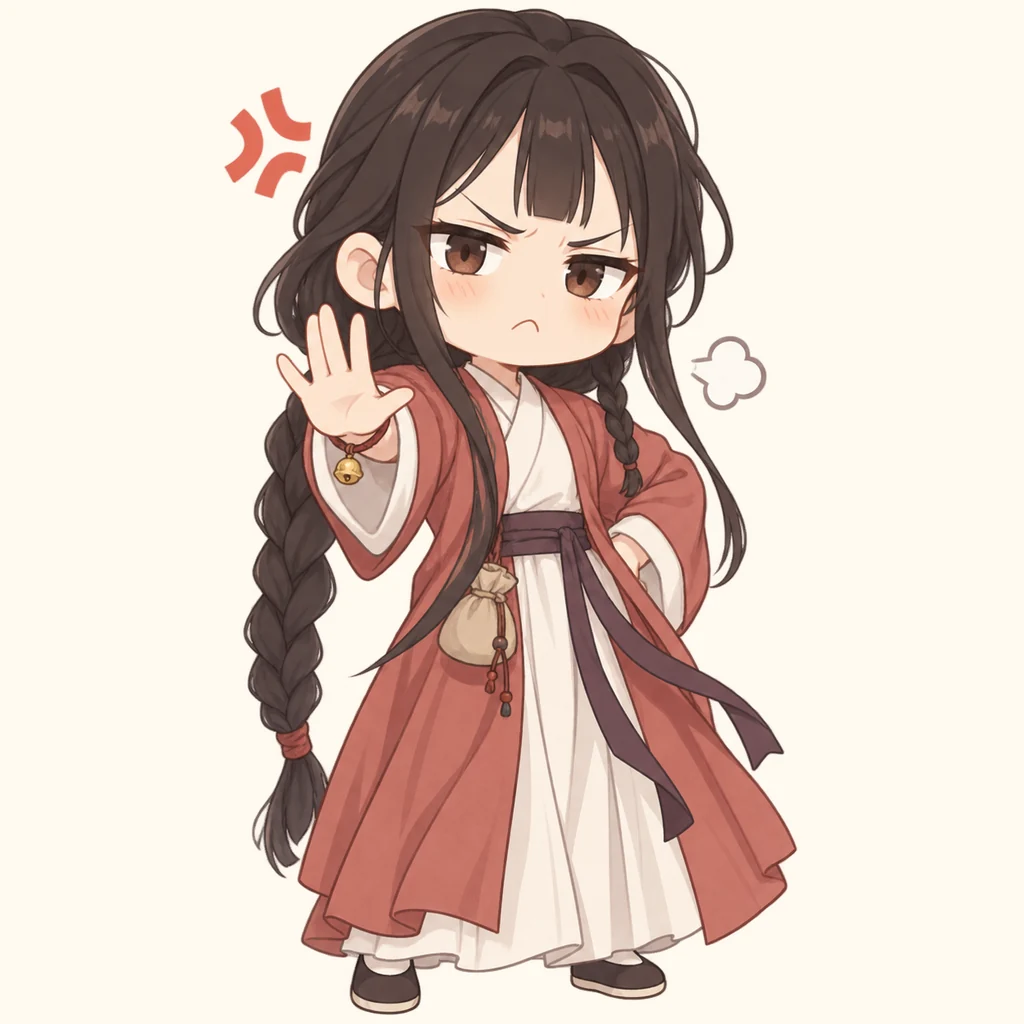
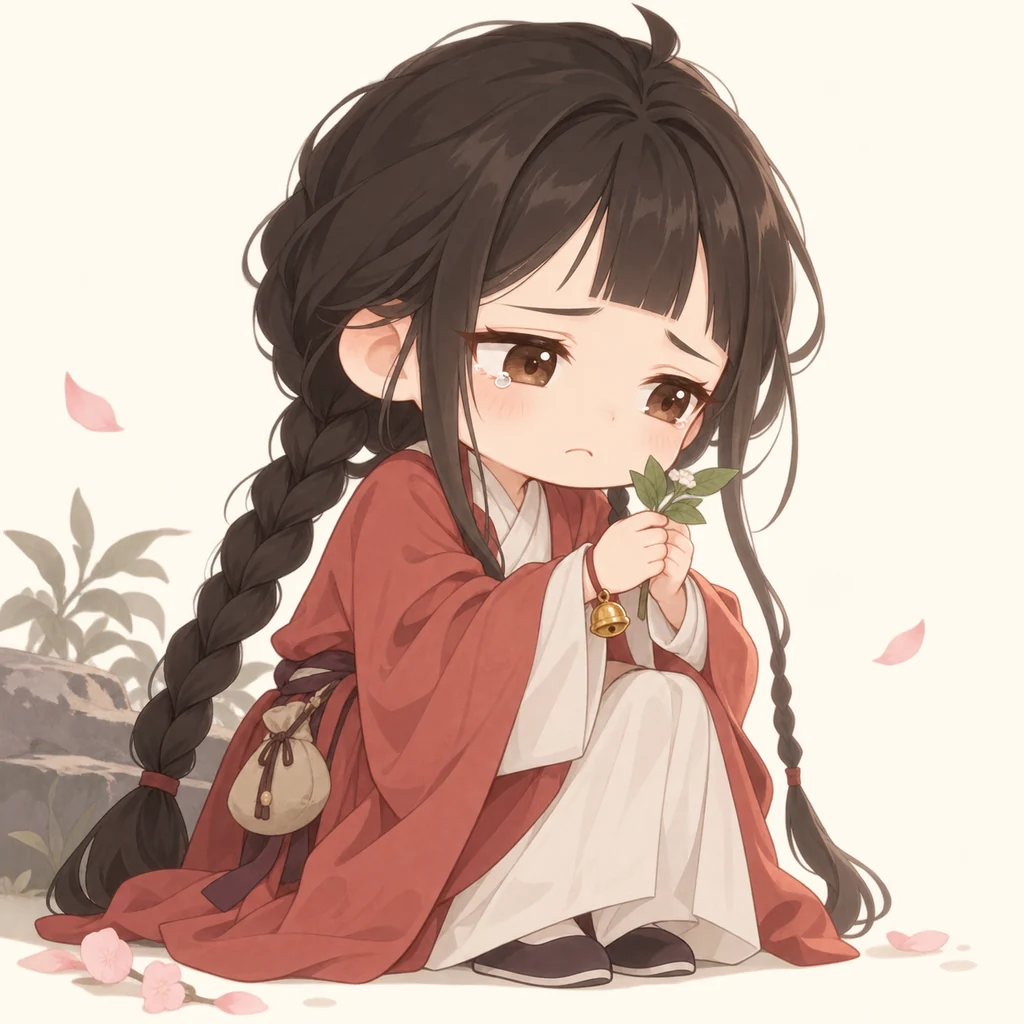
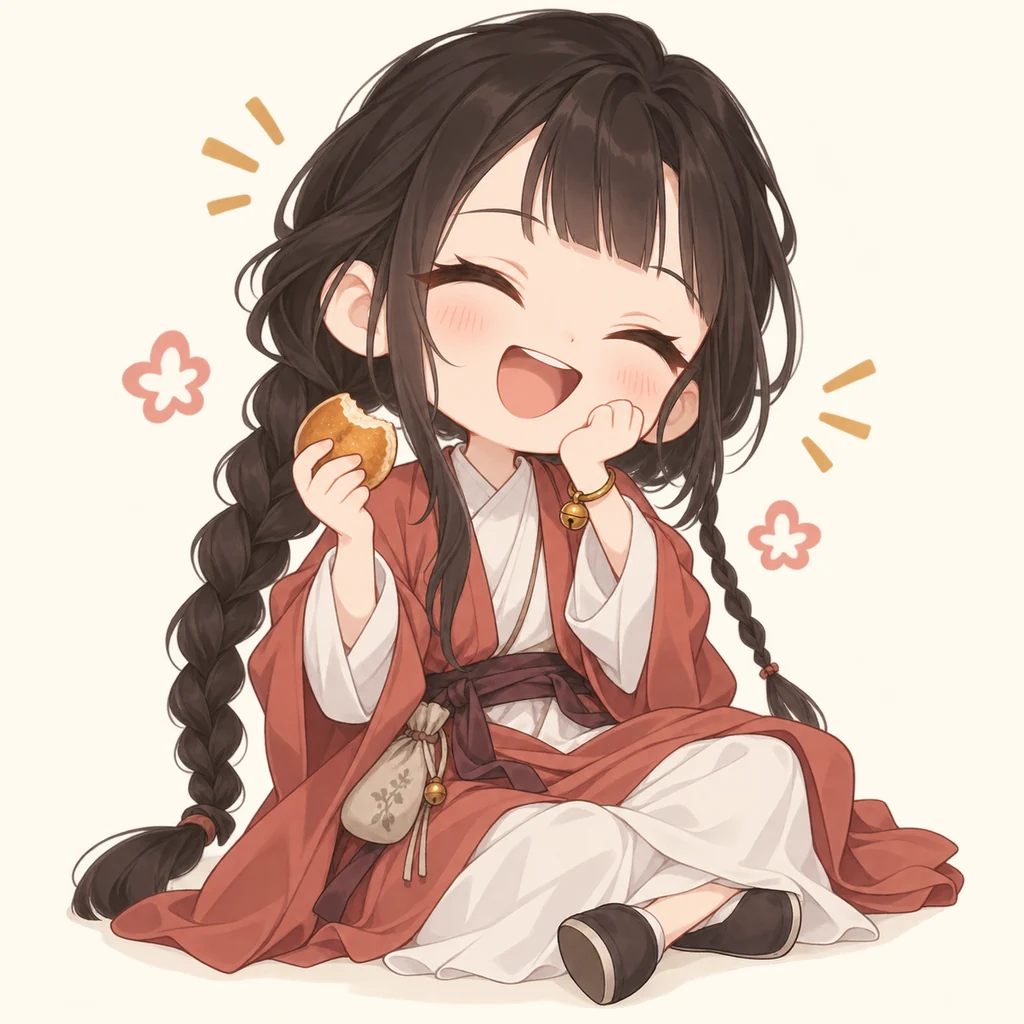
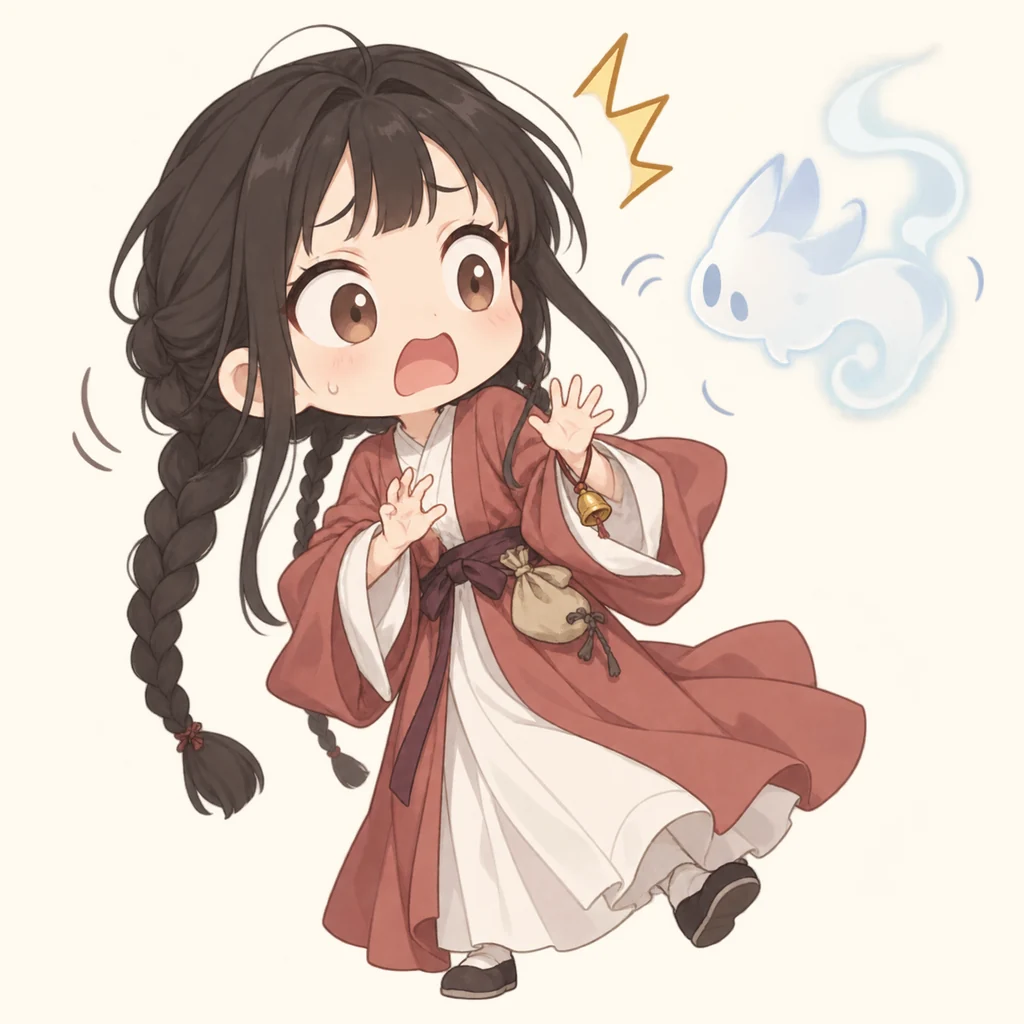
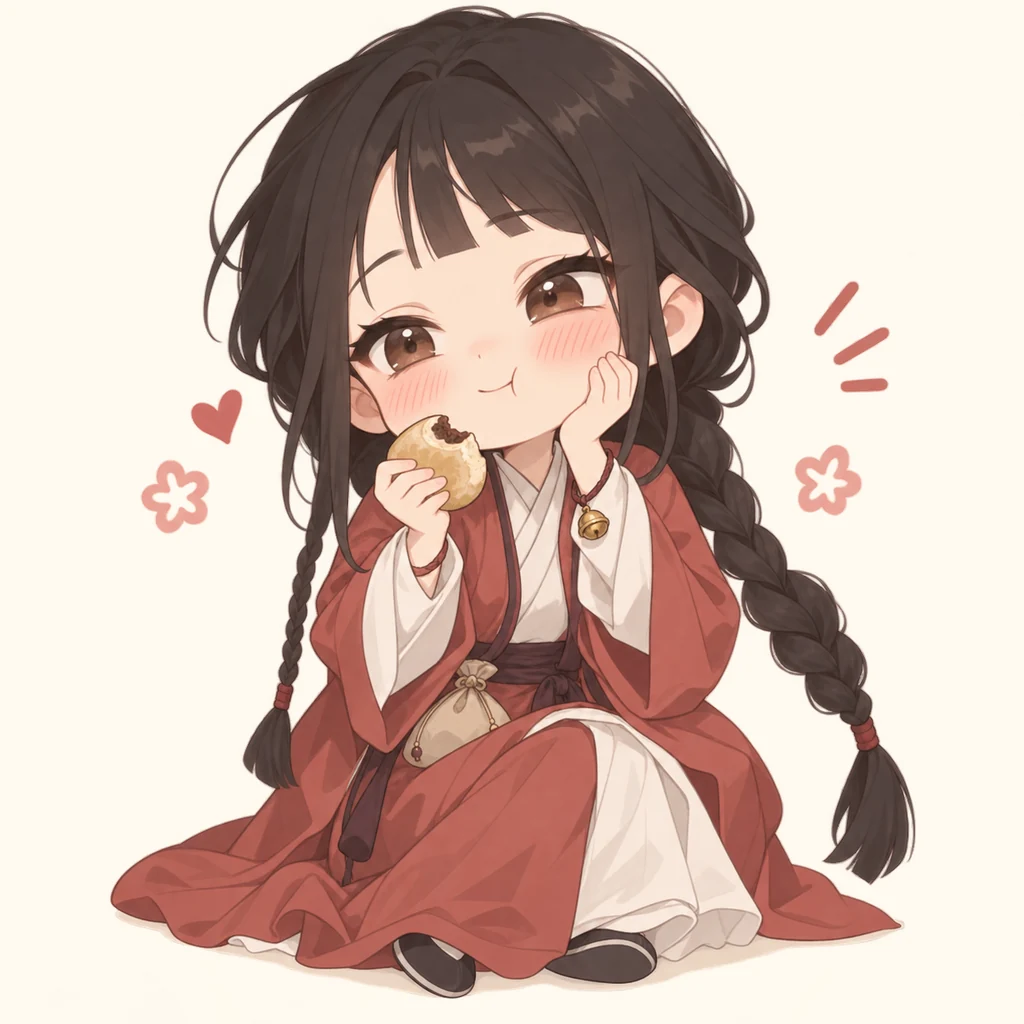
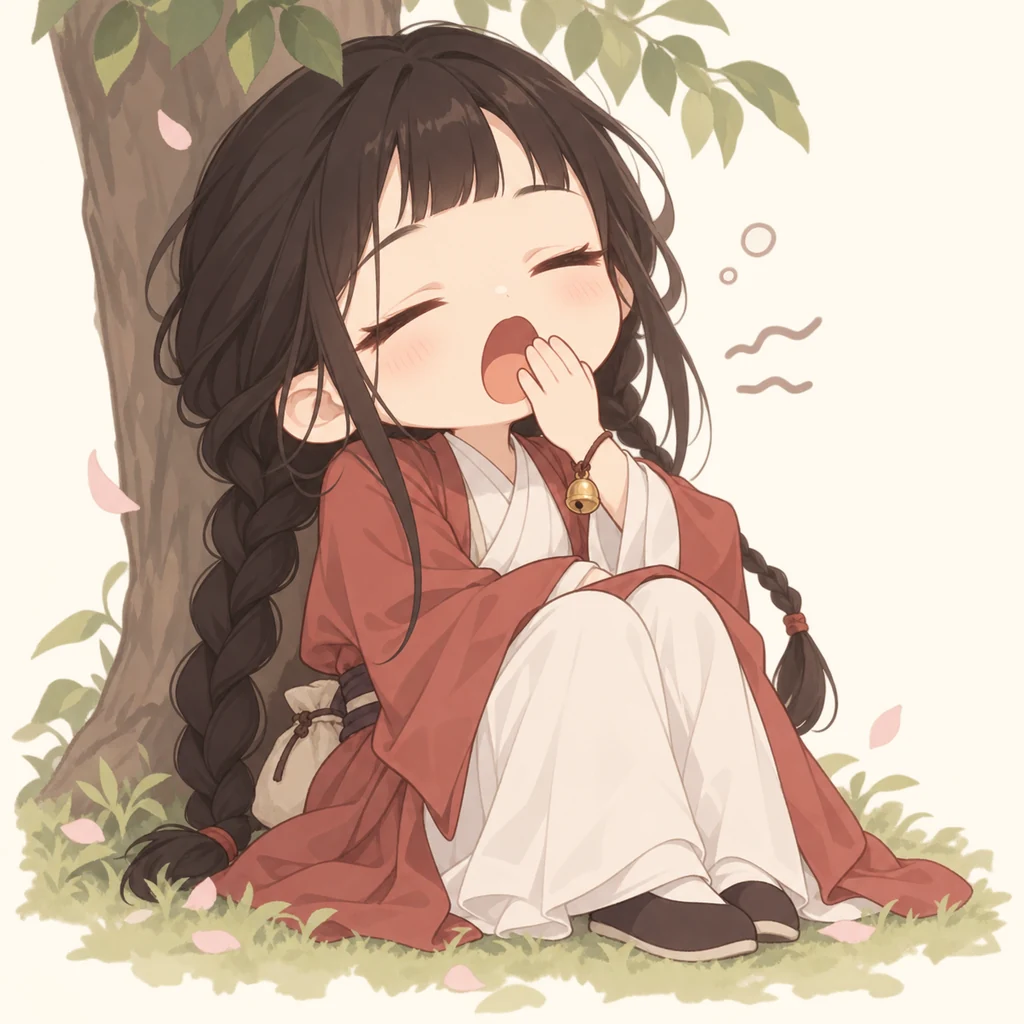
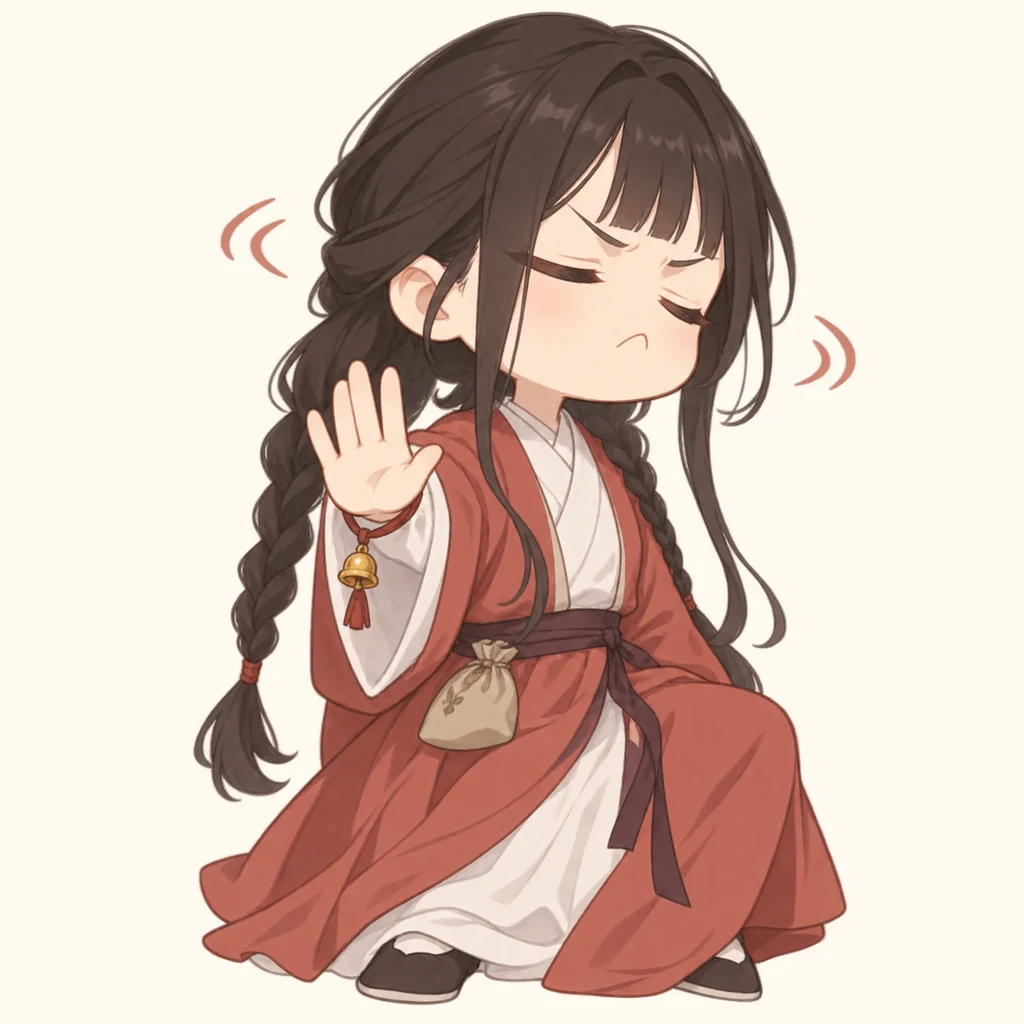
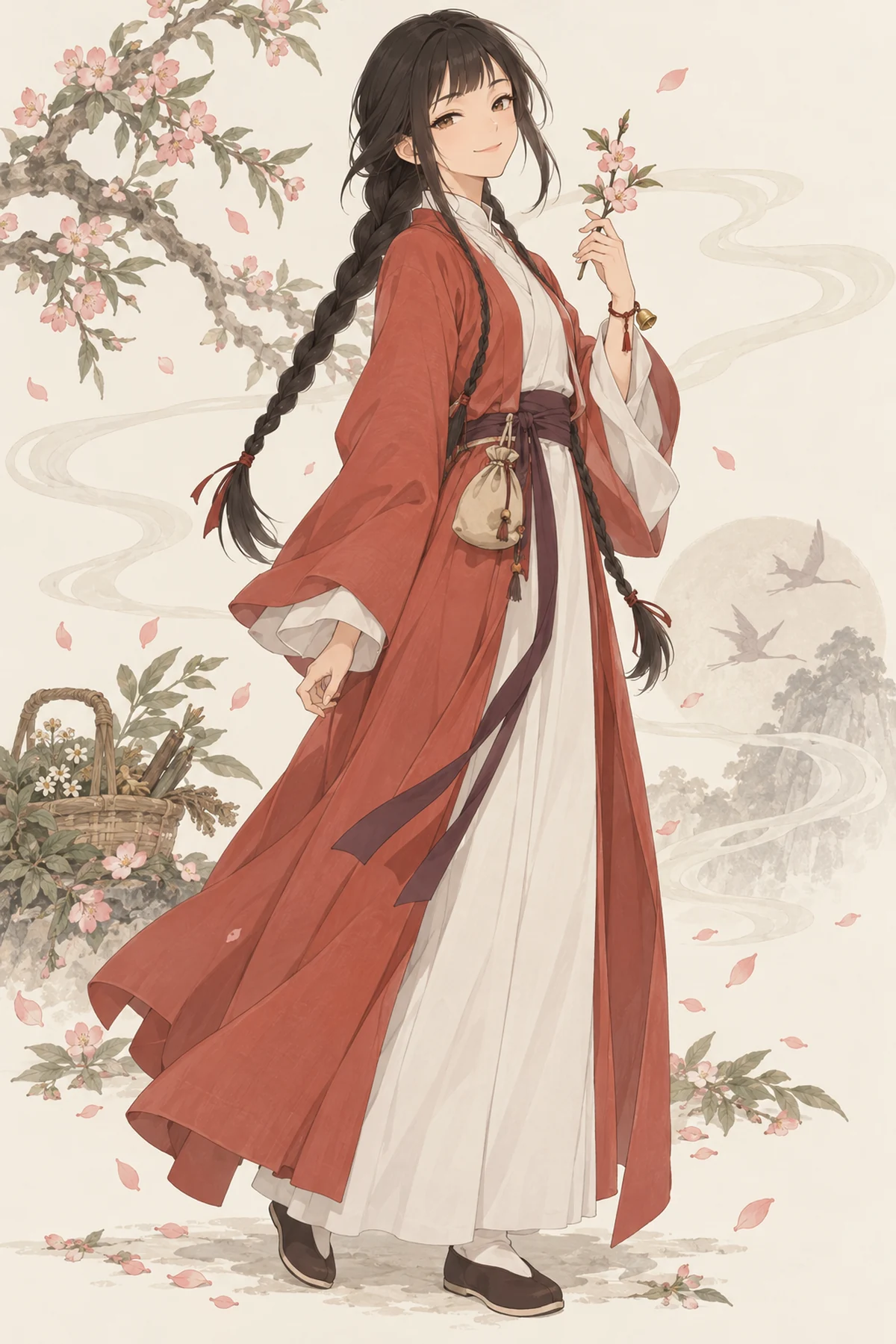
Tao Yao is the protagonist of Sha Luo Shuang Shu’s novel Fairies Albums and its adaptations, a traveling spirit physician from Taodu. This page follows the animated design. The animation premiered on Bilibili on 25 April 2020; the card’s 2020 refers to that version, not the novel’s first publication. Her patients’ ailments often connect with human attachments, promises and regrets, making these encounters more than a sequence of monster hunts.
She is not an endlessly gentle healer. She complains about trouble, enjoys food and gambling, and can use teasing to move past something painful. Those flaws make her feel lived-in rather than a device for delivering lessons. When a patient presents a real choice, she still weighs consequences on her own terms. Her idle manner and her actions deserve separate attention; neither indifference nor an all-powerful savior describes her well.
She travels with the young monk Mo Ya, with Liu Gongzi and the fox Gun Gun joining the group. The animation’s opening gray-fox story connects treatment with a friendship stretched across years: the problem is not only an injury, but what life has done to someone’s original ideals. Later cases reveal different human experiences through different spirits. Viewers can follow the continuing journey or enter the world through an individual patient’s tale.
Mo Ya is a young monk and traveling companion, not an established biological son. Liu Gongzi is a snake-spirit companion; sharing a journey does not make him her husband. Gun Gun is the fox traveling with them, whose background connects with the gray-fox story. Si Kuanglan and Si Jingyuan belong to a wider network encountered later, where the novel and animation may be at different stages. Family metaphors and fan pairings should not replace those distinctions.
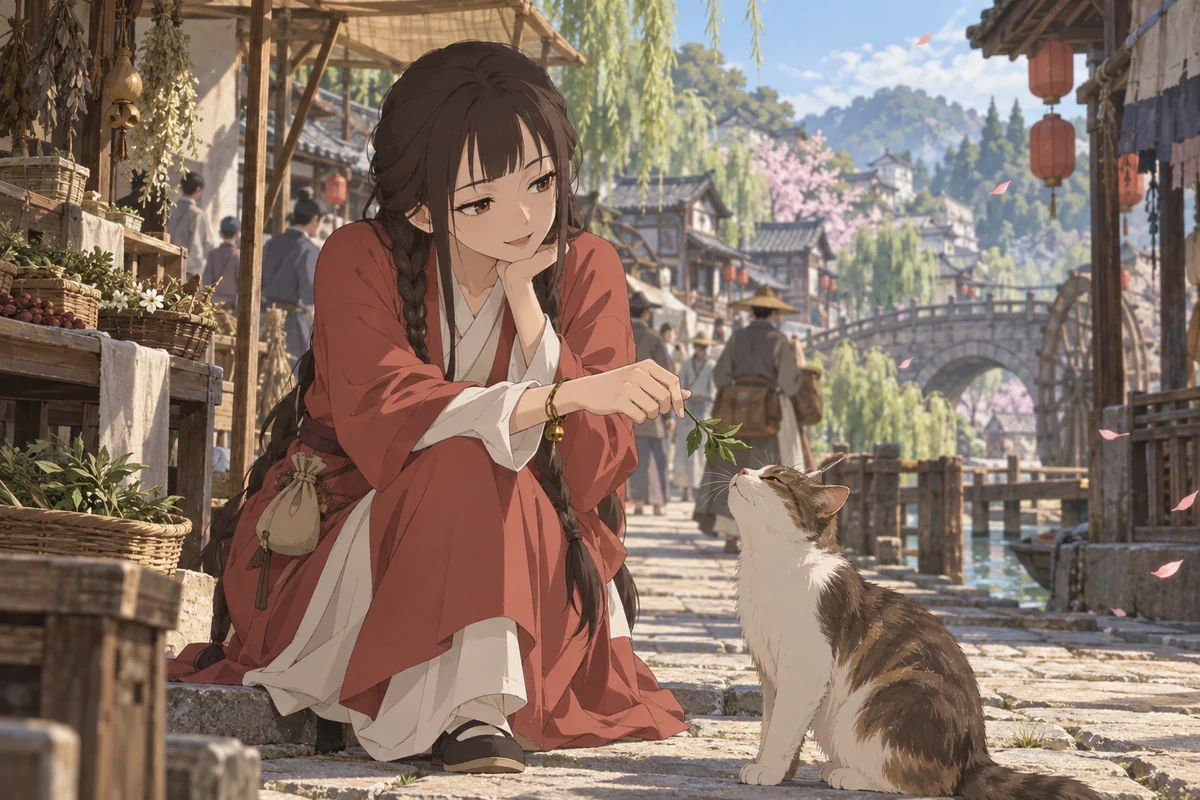
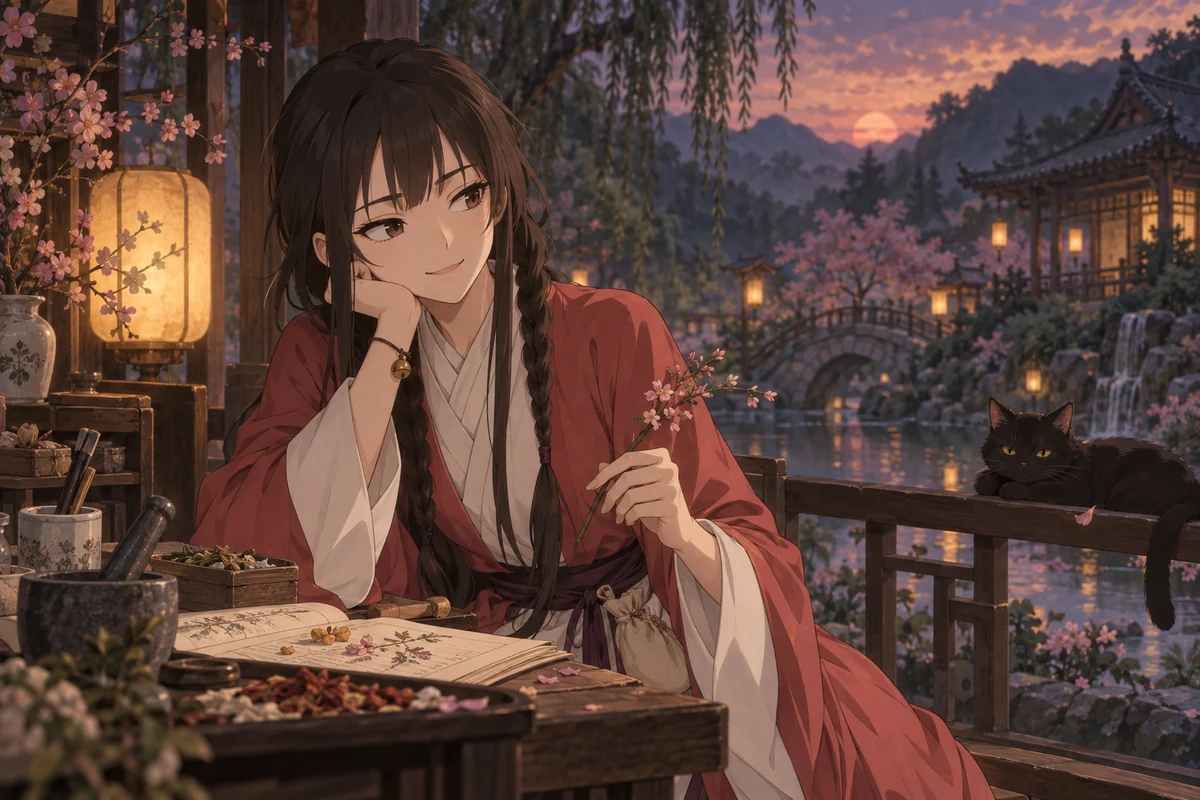
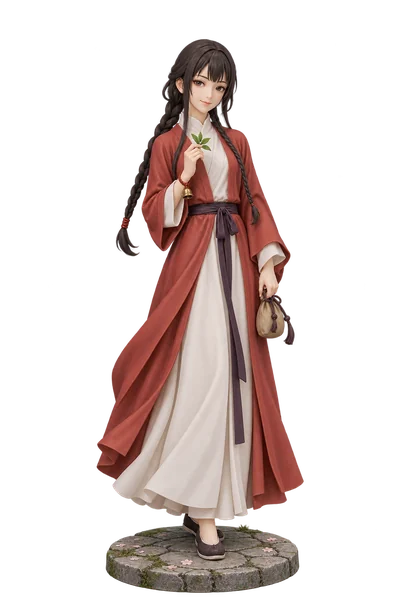
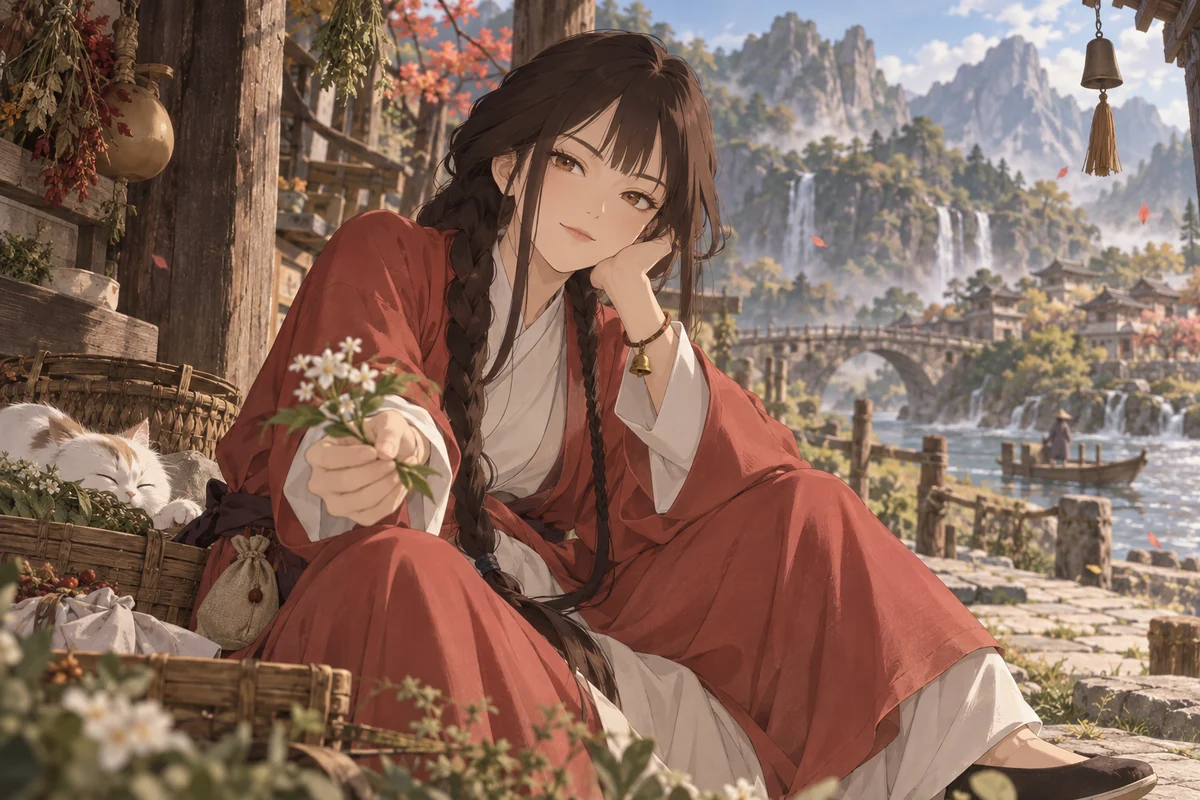
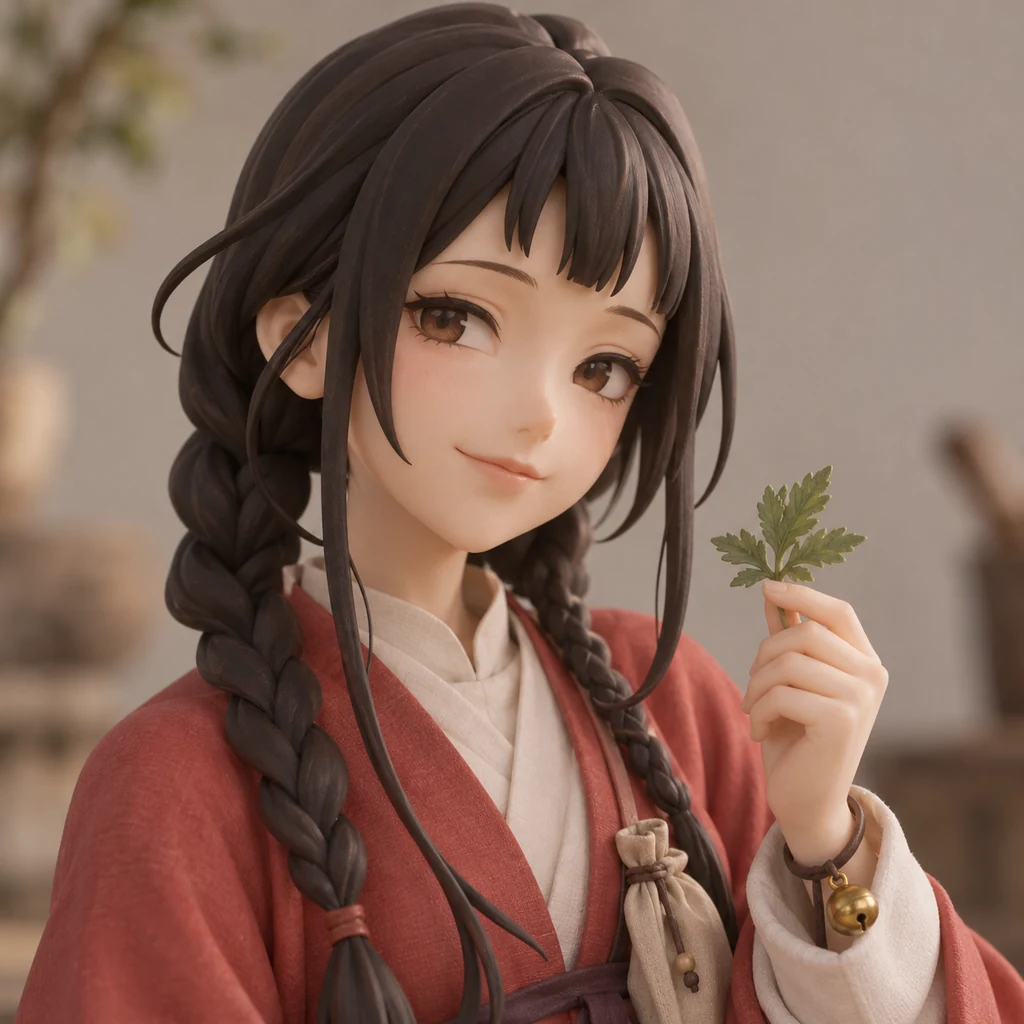
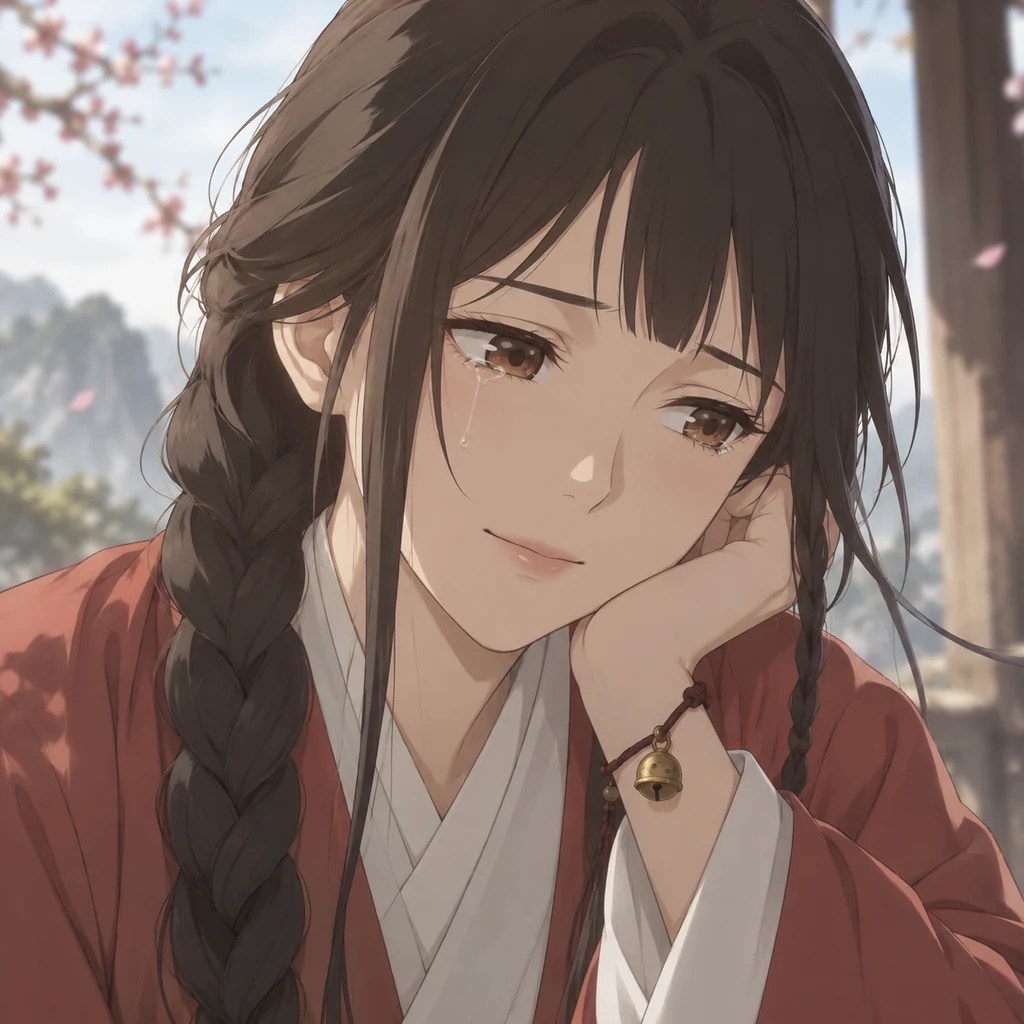
Black hair, brown eyes, unequal twin braids and a red robe identify the animated version used here. A medicine pouch and small wrist bell provide restrained details. The manga’s brown hair and red eyes belong to another design and should not be combined into a supposedly definitive costume. These avatars, reactions and transparent figures are unofficial fan reinterpretations: poses and garment folds vary while the animated silhouette remains recognizable, without inventing an exact age or identity.
Why do a spirit’s medical problems so often lead back to human choices? One reading is that a spirit’s attachment becomes a mirror, reflecting promises people have forgotten. Tao Yao’s laziness and jokes also leave breathing room between difficult stories. That is an interpretation of the storytelling, not a hidden canon claim that she controls every event. Her appeal may lie in knowing much while not deciding everything on everyone else’s behalf.