 NO.425ANIME
OOTDMomoha Bonnouji
NO.425ANIMEANIME OOTD / CHARACTER ARCHIVE
Momoha Bonnouji
The 100 Girlfriends Who Really, Really, Really, Really, Really Love You ↗ / 2022
Ethics teacher / Rentaro’s girlfriend






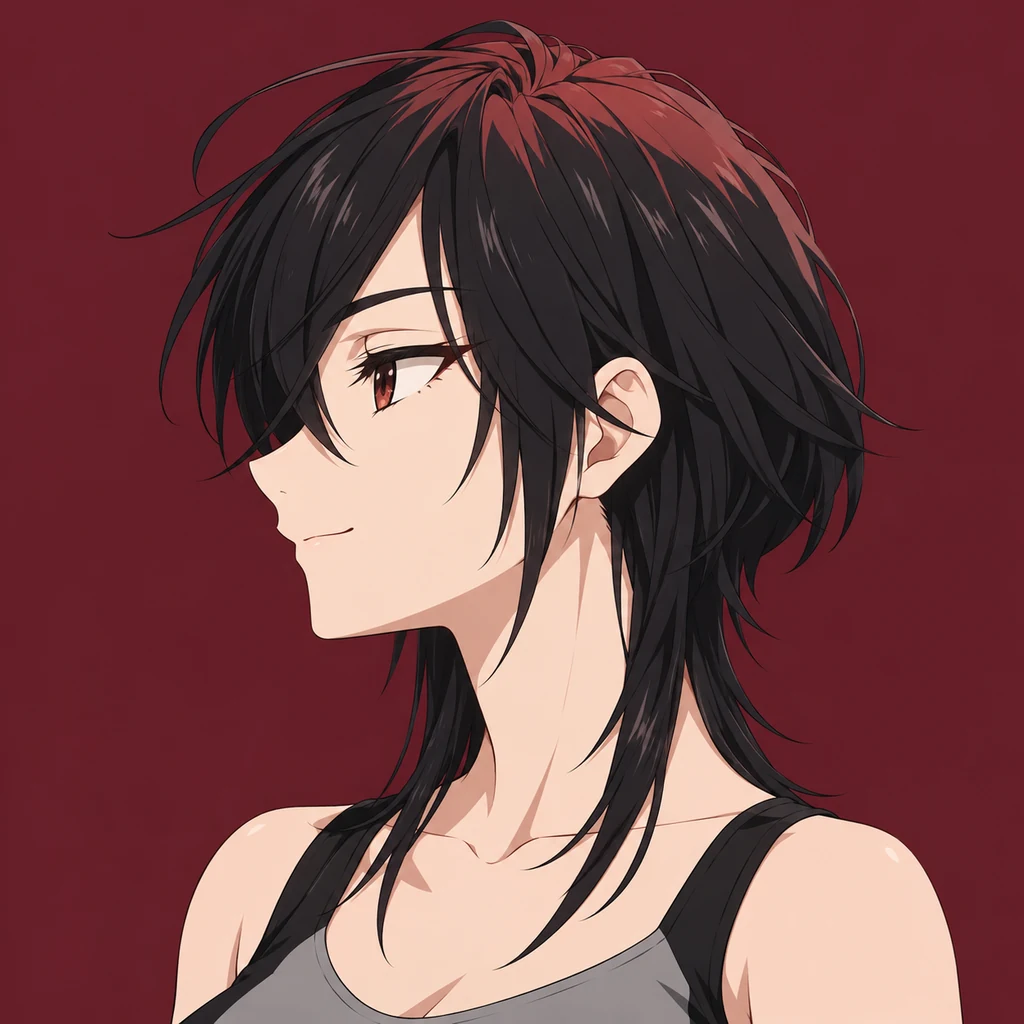

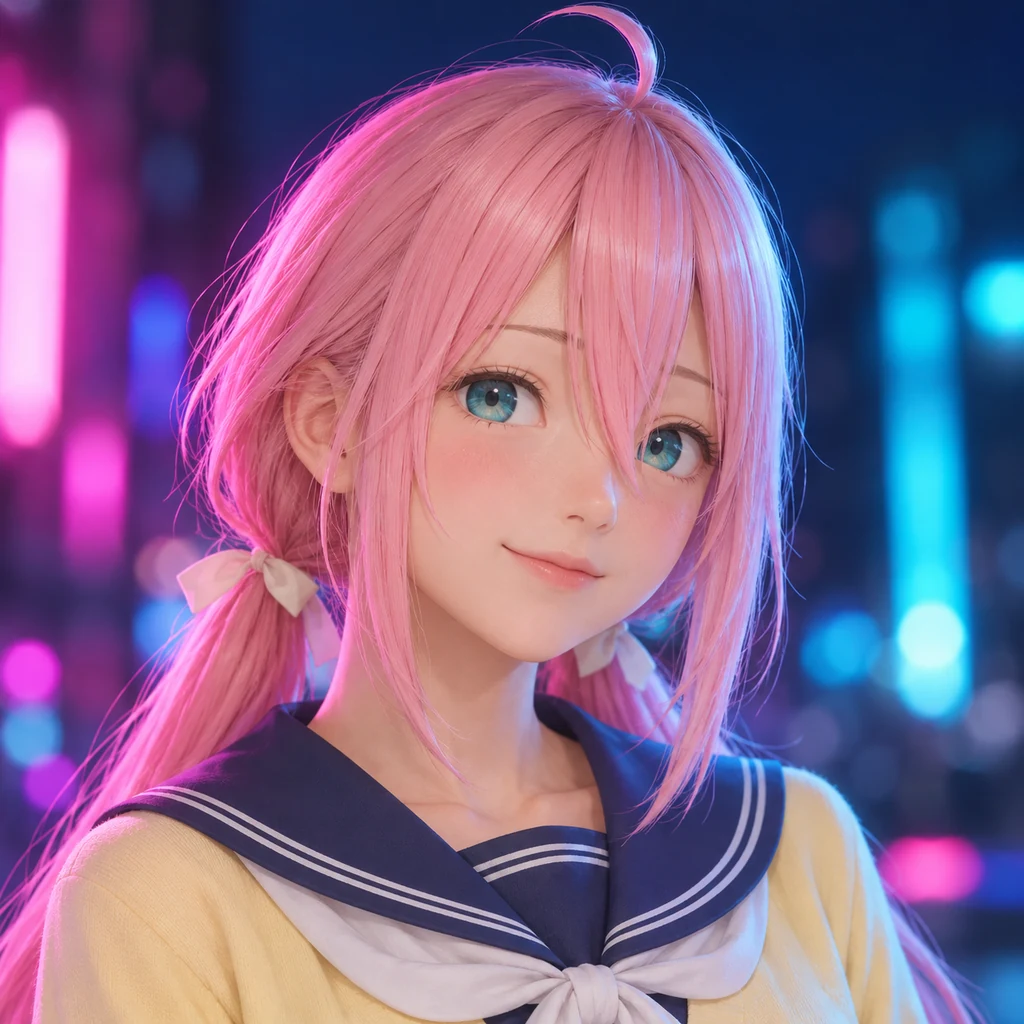
AI-assisted illustrations · Not official anime stills








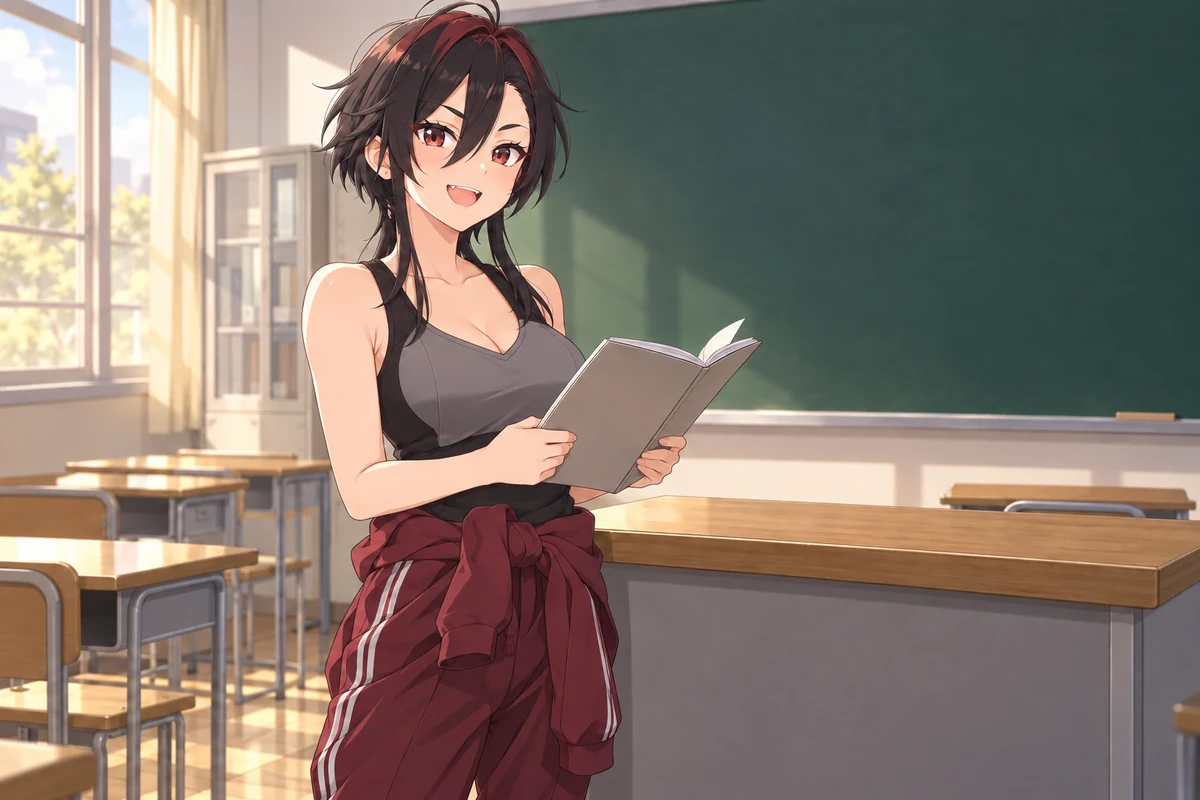
Momoha Bonnouji enters the manga in 2022 as an ethics teacher. Chapter 108 centers on her, and its public Jump+ page is dated August 25, 2022, a platform publication date. The series, written by Rikito Nakamura and drawn by Yukiko Nozawa, began in 2019; that earlier year is the work’s debut, not hers.
Momoha makes no attempt to present herself as a model citizen. Shueisha’s character quiz identifies her through tent living, drinking and gambling, while its manga panel shows her urgently warning others against following her example. Her approach to teaching turns her own failings into a lesson, giving the ethics teacher an unusually self-aware comic voice.
Mild spoilers: chapter 108 brings Momoha into Rentaro’s story, and volume 13’s licensed description presents his teacher as his newest girlfriend. The Japanese volume advertises a barbecue outing and a pretend drinking party. These gatherings let their different personalities bounce off one another, turning meals and make-believe into everyday ensemble comedy.
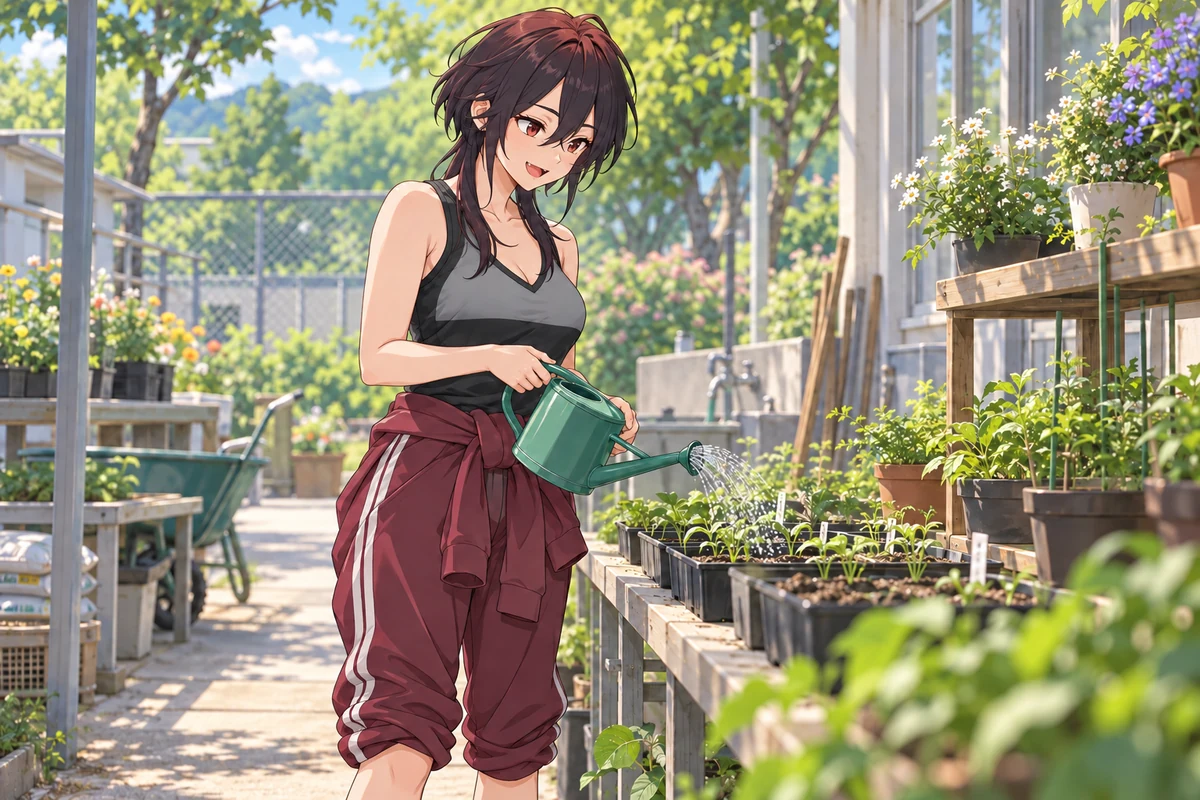
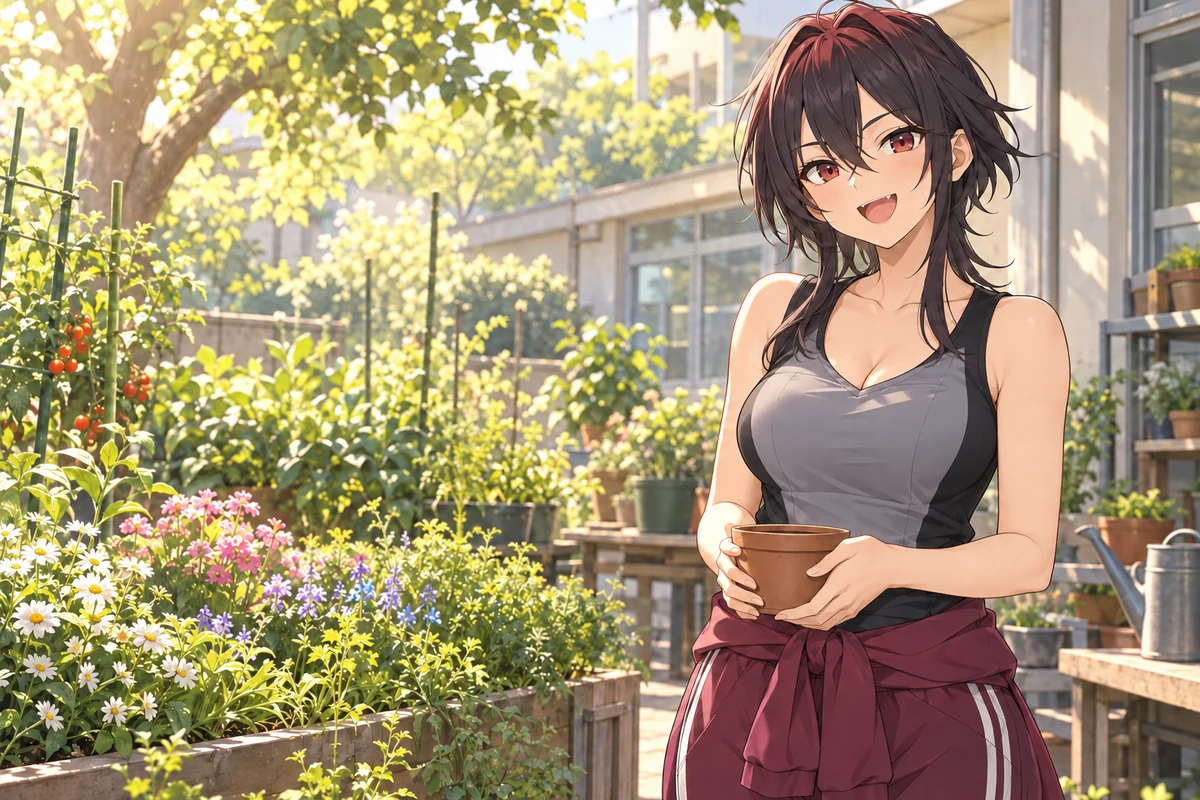
Introduction spoilers: Momoha advises the gardening club that Yamame belongs to. She quietly replenishes tools, seedlings and fertilizer, and helps with weeding and collecting rubbish.
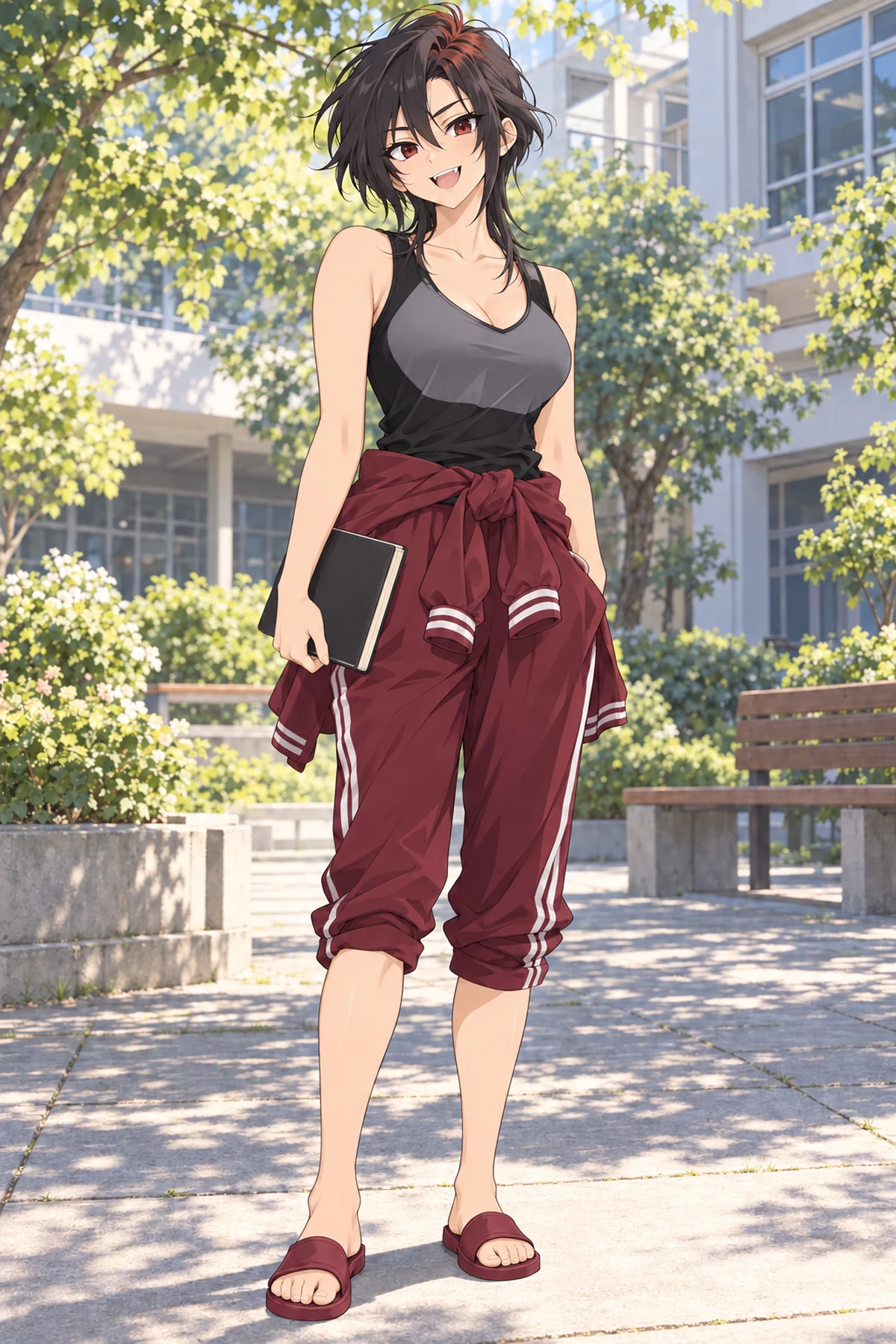
Her manga design combines dark layered hair, longer nape strands and a reddish crown, with a small fang visible in her smile. Volume 13’s color cover shows these facial cues. The illustrator-attributed design sheet also supplies a sleeveless top, a jacket tied at the waist and loose track pants. The casual sportswear gives this schoolteacher an immediately relaxed, untidy presence.
Fan reading: the joke need not end with an ethics teacher behaving badly. Her willingness to acknowledge shortcomings, alongside unshowy help for other people, can suggest an imperfect form of care. That interpretation concerns how characters treat one another; it does not endorse her habits or claim to be the author’s sole intended message.