 NO.536ANIME
OOTDNoriko Takaya
NO.536ANIMEANIME OOTD / CHARACTER ARCHIVE
Noriko Takaya
Gunbuster / 1988
Gunbuster pilot






AI-assisted illustrations · Not official anime stills

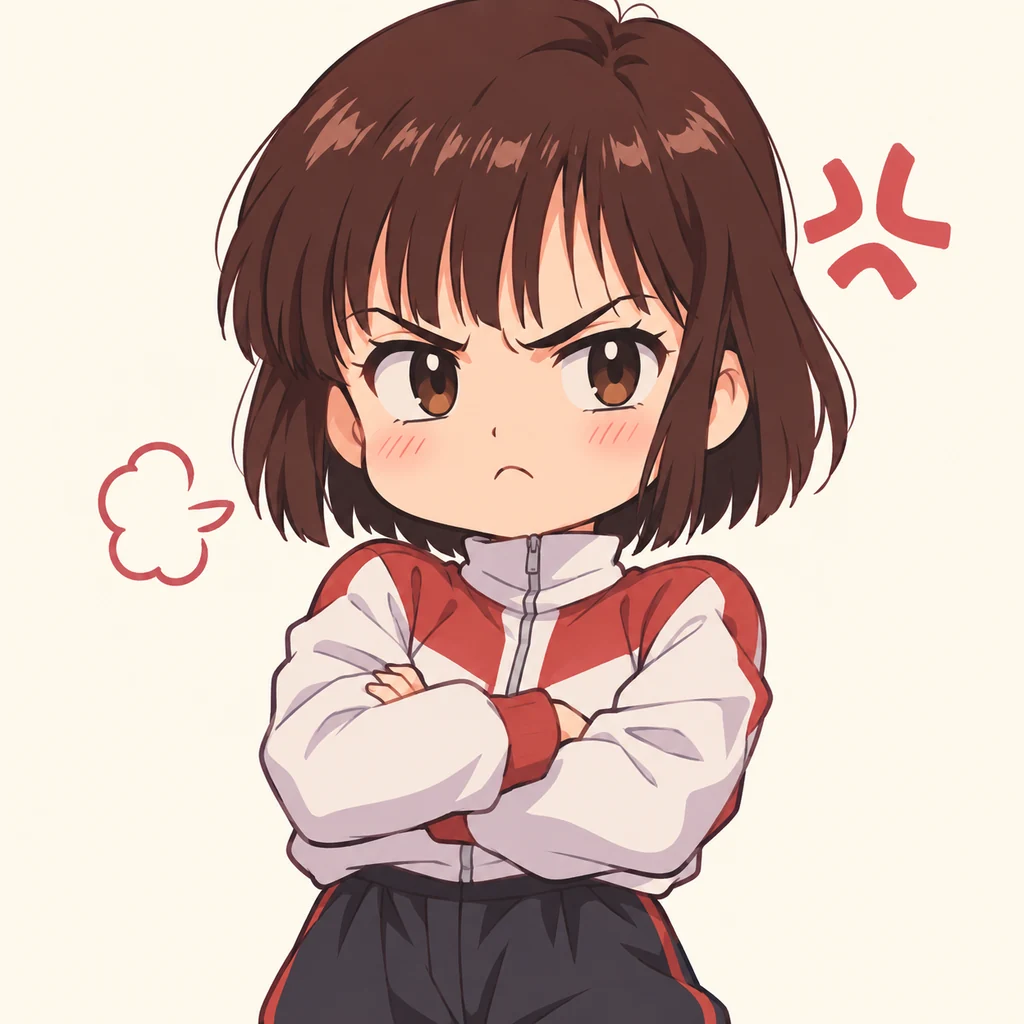
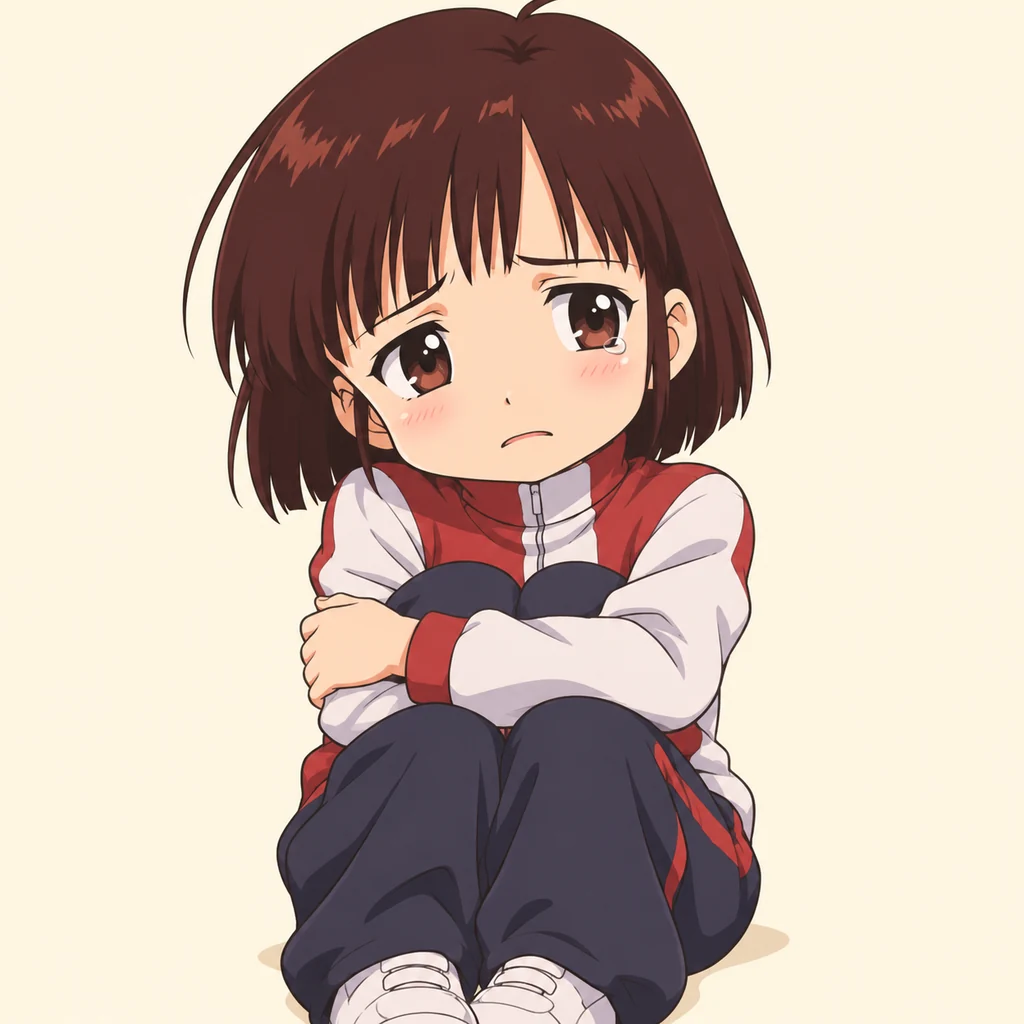
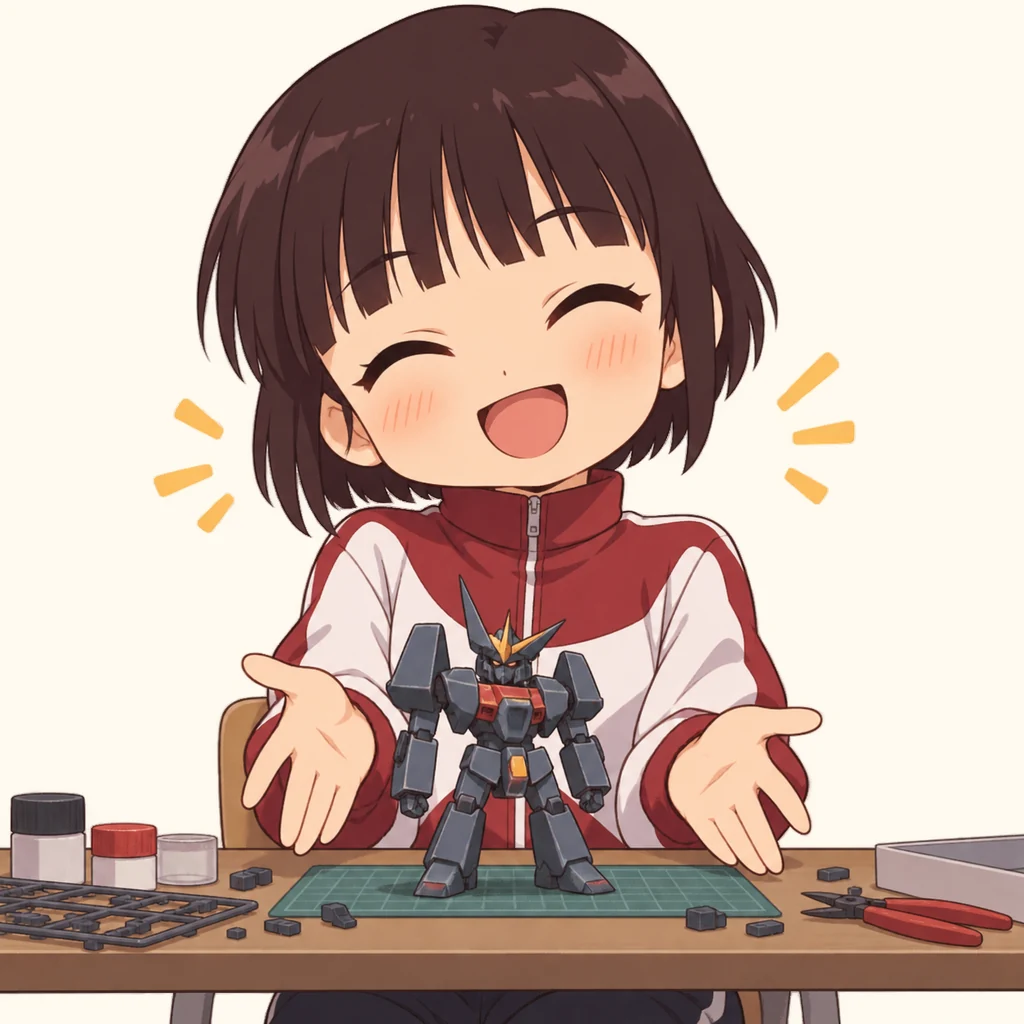




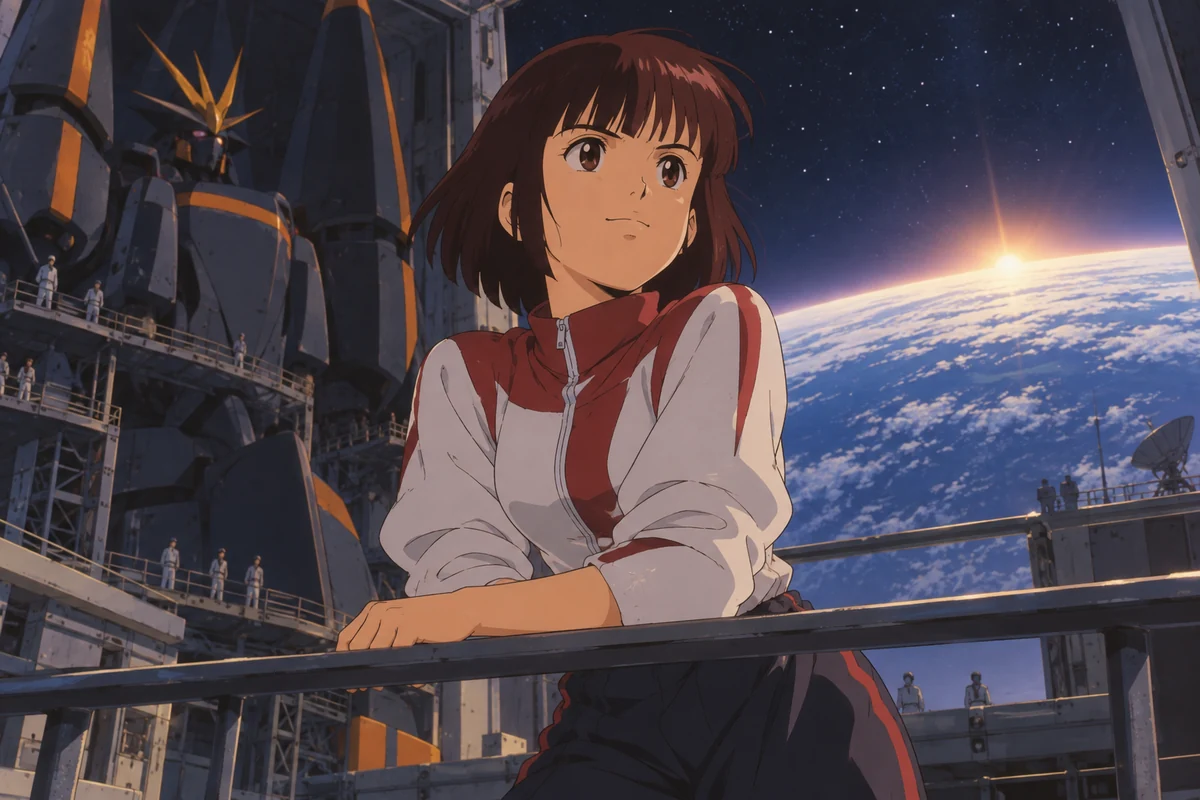
Noriko debuted in the original 1988 Gunbuster OVA, rather than in a manga later adapted for television. Her father, Admiral Yuzo Takaya, disappeared with his fleet after an encounter with space monsters. She enters Okinawa Girls’ Space Pilot High School, where her famous surname attracts attention without making her an accomplished pilot.
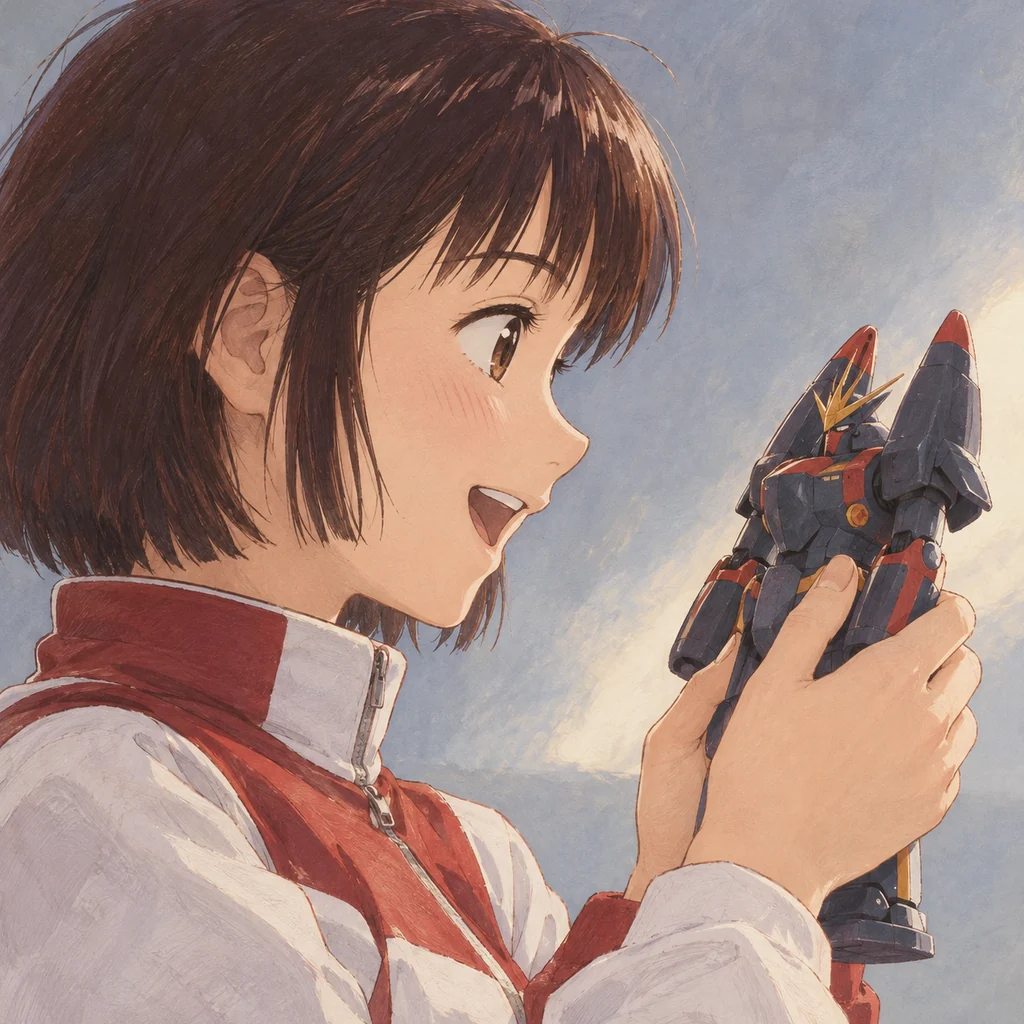
Noriko is appealing because fear, admiration and frustration remain visible rather than disappearing behind effortless competence. She looks up to Kazumi Amano and enthusiastically loves robots. “Hard work and guts” means repeated practice, getting back up after failure and gradually learning what responsibility in combat actually costs.
Story spoilers: Coach Ohta selects Noriko and Kazumi for a space mission. Training and combat change her understanding of piloting, especially after Smith dies: fighting is no longer an extension of her robot hobby. She later launches the unfinished Gunbuster against the enemy. The final expedition makes protecting Earth inseparable from losing the years she could have shared with others.
Yuzo Takaya is her father. Koichiro Ohta is her coach and a survivor of her father’s fleet, not another name for her father. Kazumi Amano is an admired senior and partner; calling her a big sister does not establish biological kinship. Jung Freud is a fellow pilot, while Smith is a comrade she develops feelings for. That attraction should not be rewritten as a marriage.
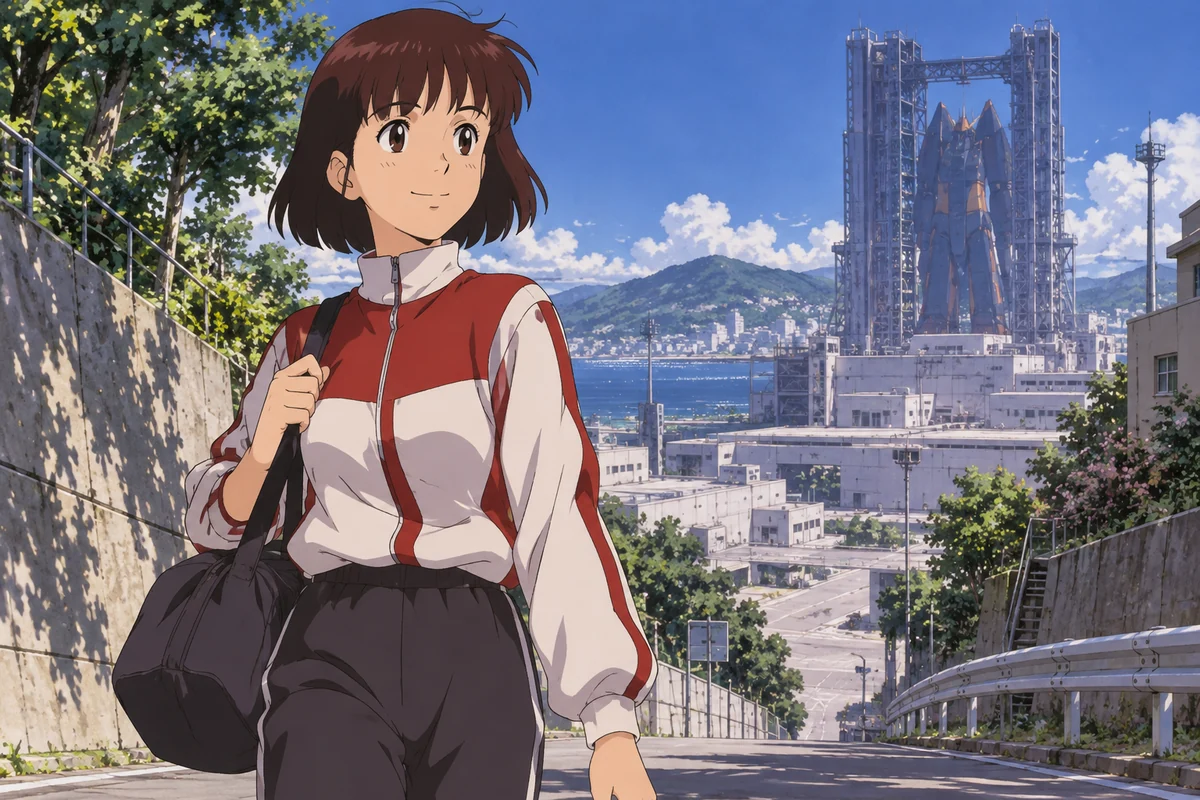
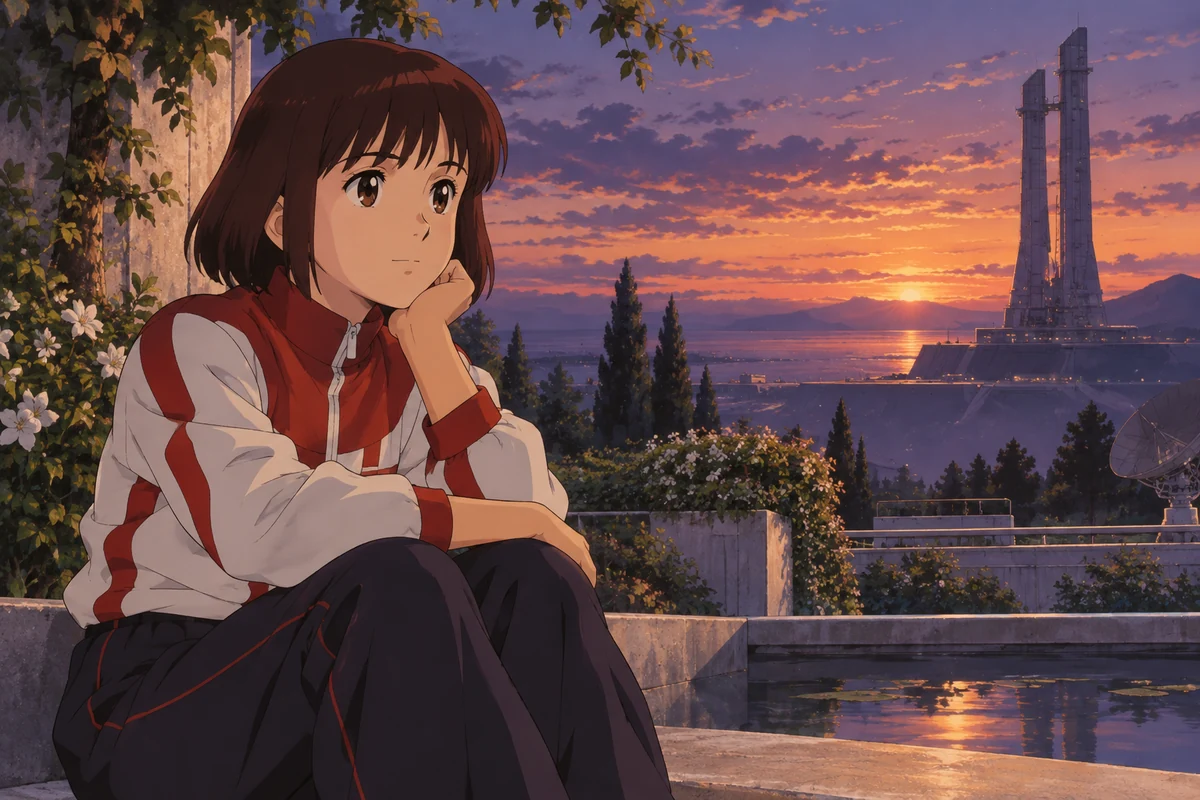
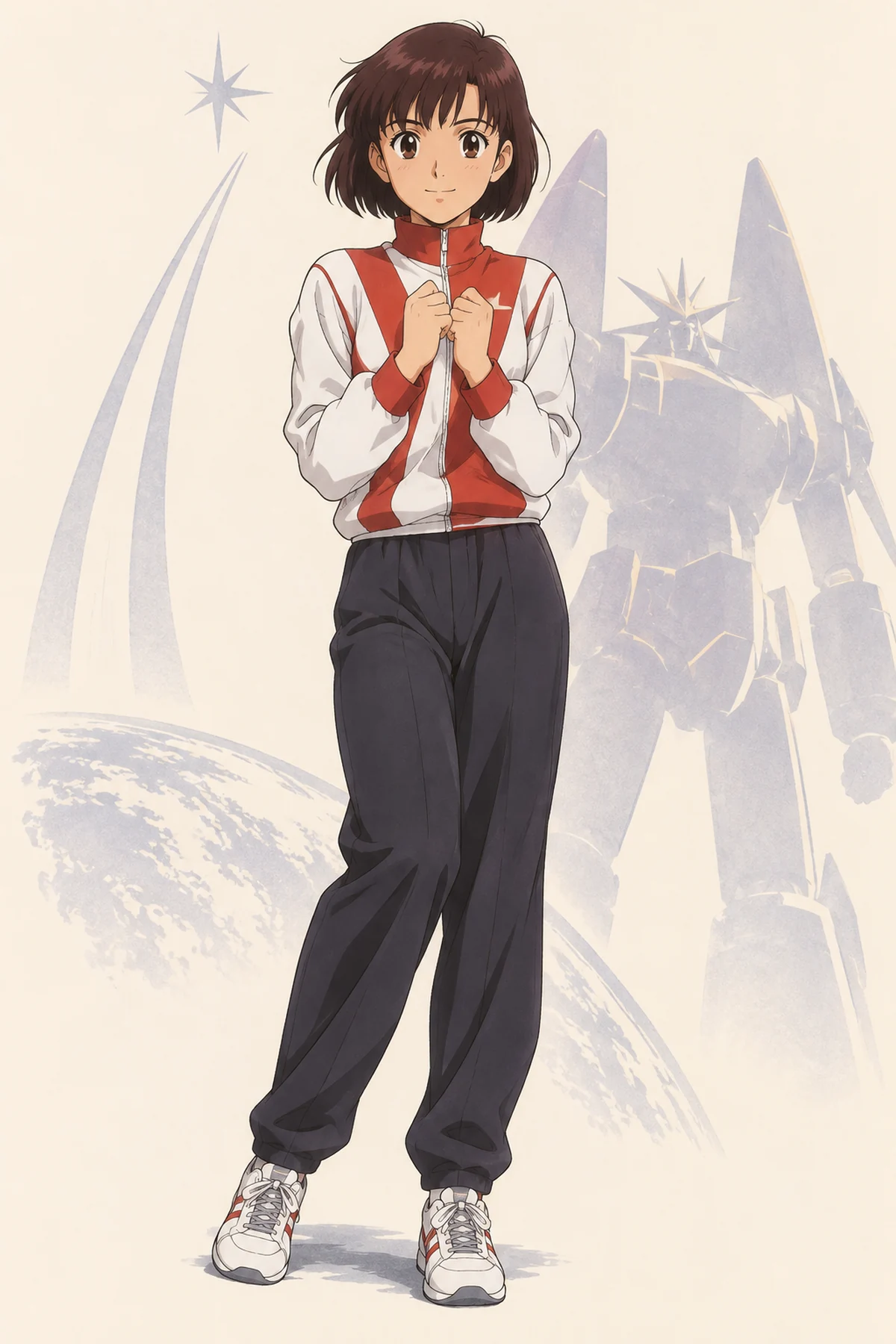
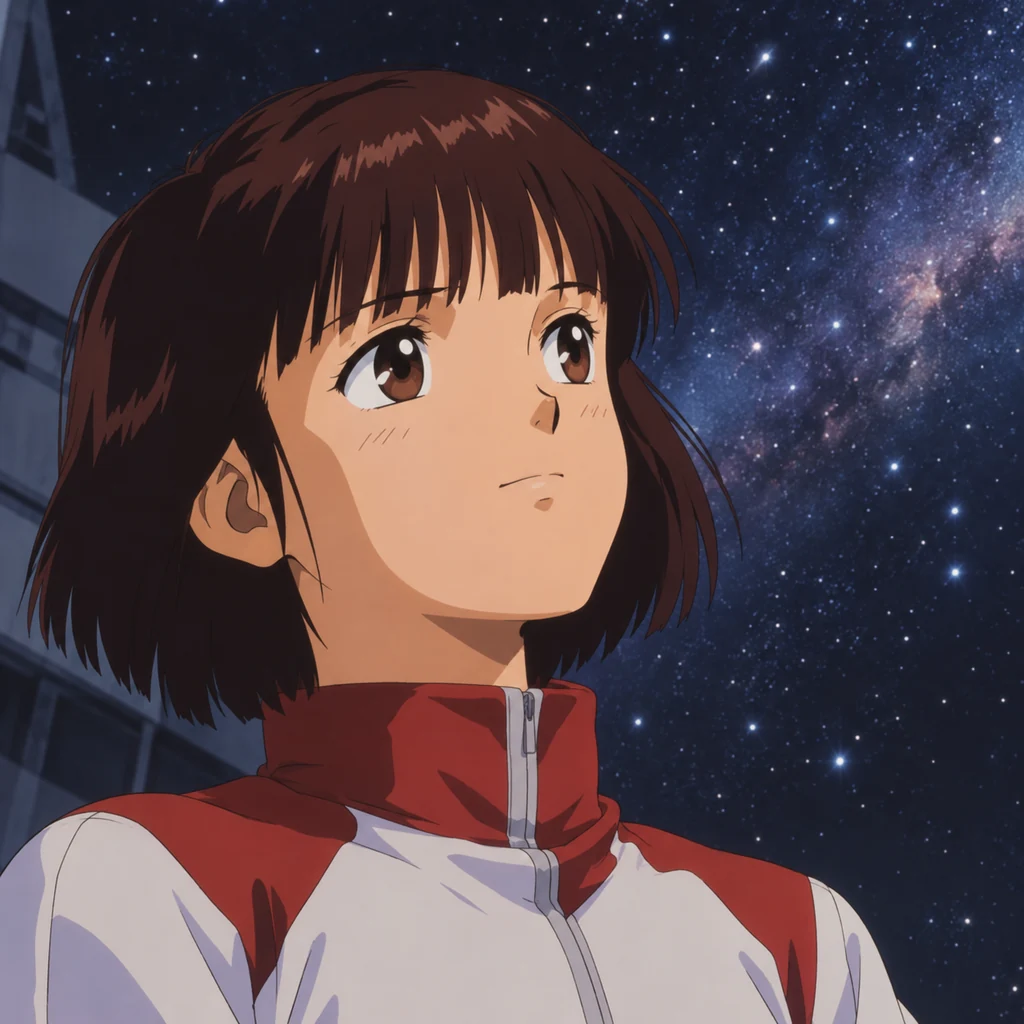
Her short hair and candid expressions identify the original Noriko. Age descriptions must distinguish time she experiences from years passing on Earth, because relativistic time dilation is central to the story. Nono and Lal’C in Diebuster are separate characters. The training-clothes illustrations on this page are fan adaptations rather than exact reproductions of every official costume.
One fan reading is that Noriko grows from wanting to become strong into accepting the cost of leaving a future for others. Robot enthusiasm and training make the early story approachable, while the ending changes what victory means through its scale of time. This helps explain why a youthful training story also feels profoundly lonely in space. It is an interpretation, not a confirmed hidden conspiracy.