 NO.406ANIME
OOTDHahari Hanazono
NO.406ANIMEANIME OOTD / CHARACTER ARCHIVE
Hahari Hanazono
The 100 Girlfriends Who Really, Really, Really, Really, Really Love You ↗ / 2020
Hakari’s mother and school chairwoman








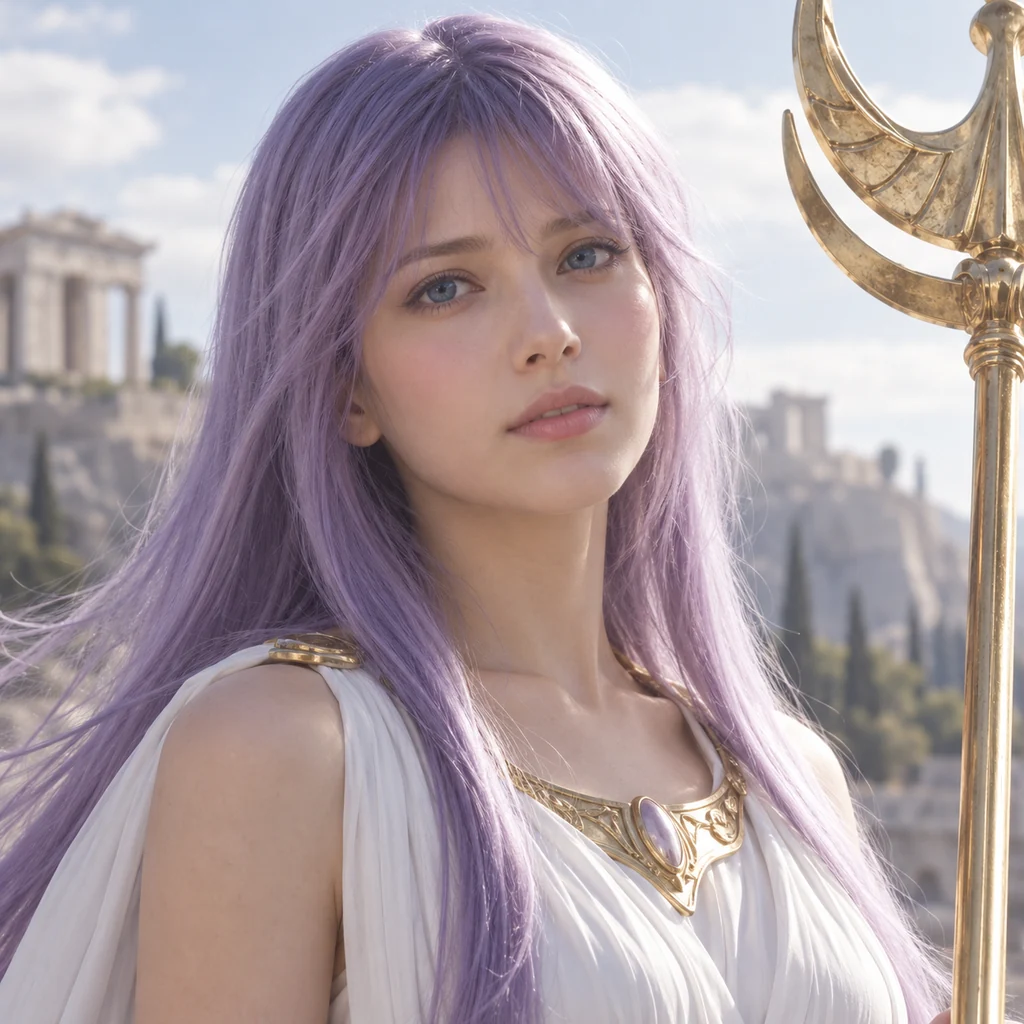
AI-assisted illustrations · Not official anime stills








Hahari’s manga introduction can be traced to chapter 15, “The Reason for Parting.” Shueisha’s volume 3 preview shows Hakari addressing the long-haired woman as her mother. The volume appeared on September 18, 2020. Her character year is therefore recorded as 2020, separately from the 2019 launch of Rikito Nakamura and Yukiko Nozawa’s manga.
Cute things are Hahari’s weakness. Shueisha pairs her capacity for kindness with a tendency to misuse her authority as chairwoman. That contrast offers a useful reading of her comedy: someone equipped to arrange almost anything is less successful at keeping her own enthusiasm within bounds.
[Spoilers] In chapter 15, Hahari tries to separate Hakari from Rentaro. The official synopsis for anime episode 11 connects her resistance to fear for her daughter’s future. Protection and control collide here. Reading the conflict through that parental worry adds another dimension to a character initially positioned as an obstacle.
[Spoilers] Hahari later becomes Rentaro’s girlfriend while remaining Hakari’s mother. The anime profile also describes her affection for the other girlfriends. Mother, partner and caregiver coexist in one person. As a way of reading the ensemble, those overlapping roles help explain why her well-meant interventions can quickly change a scene’s rhythm.
The official anime expression sheet shows long pink hair, side-swept bangs and green eyes. A small beauty mark below an eye also appears in the manga portrait. Shueisha’s pink duotone image supports shapes, not a natural palette. Her original adult identity is retained; any AI illustrations here would be unofficial fan art.
The series continued meeting overseas fans in 2026. Its official Anime NYC report describes an August panel with the actors for Rentaro, Hakari and Karane, including discussion and audience participation. This is concrete evidence of continuing fan activity, though it provides neither comparable attendance figures nor a measure of Hahari’s individual popularity.