 NO.133ANIME
OOTDBelldandy
NO.133ANIMEANIME OOTD / CHARACTER ARCHIVE
Belldandy
Ah! My Goddess ↗ / 1988
Wish-granting goddess

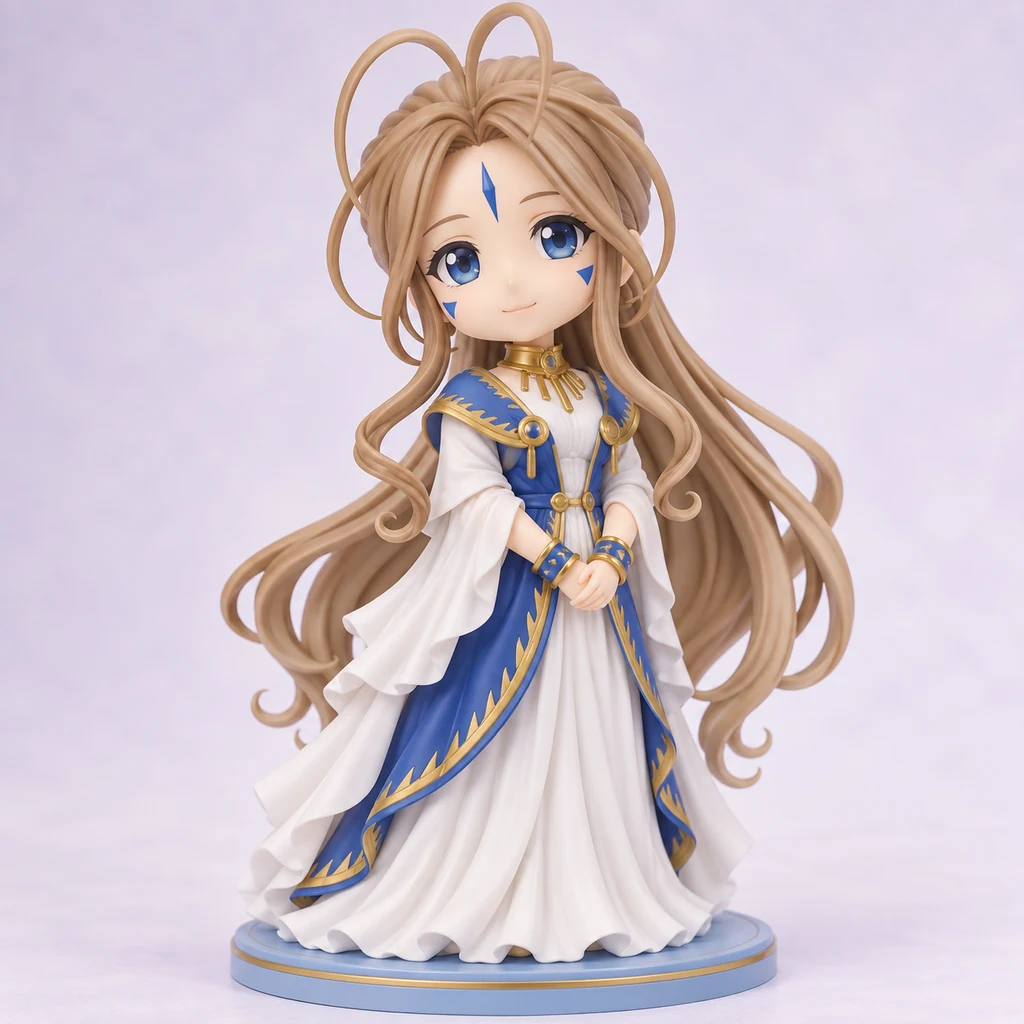






AI-assisted illustrations · Not official anime stills








Belldandy introduces herself in chapter 1 of Kosuke Fujishima’s manga. Her debut belongs to its 1988 serialization, before the first collected volume in 1989 or any anime adaptation. Answering Keiichi’s mistaken call, she offers him one wish; their meeting begins a shared life.
The 2005 TV profile identifies her as a first-class, second-category, unlimited goddess. Skilled at cooking and sewing, she trusts people readily but can surprise them through unfamiliarity with human conventions. Her approachable everyday manner sits alongside an exceptionally high divine rank.
[Spoilers: early 2005 TV episodes and episode 23] Seeking a home, she asks spirits for help, reaches a temple with Keiichi, and uses magic to save him from a rooftop fall. In episode 23, she releases her sealed power against the Lord of Terror and attacks the vessel influencing Urd. She also confronts danger directly.
Keiichi, the engineering-minded student she lives with, is her developing romantic partner. Older sister Urd tries to hurry their relationship along, often with potions. Younger sister Skuld is devoted to Belldandy and invents devices to help or protect her. Keiichi’s sister Megumi supports the couple and becomes someone they can consult.
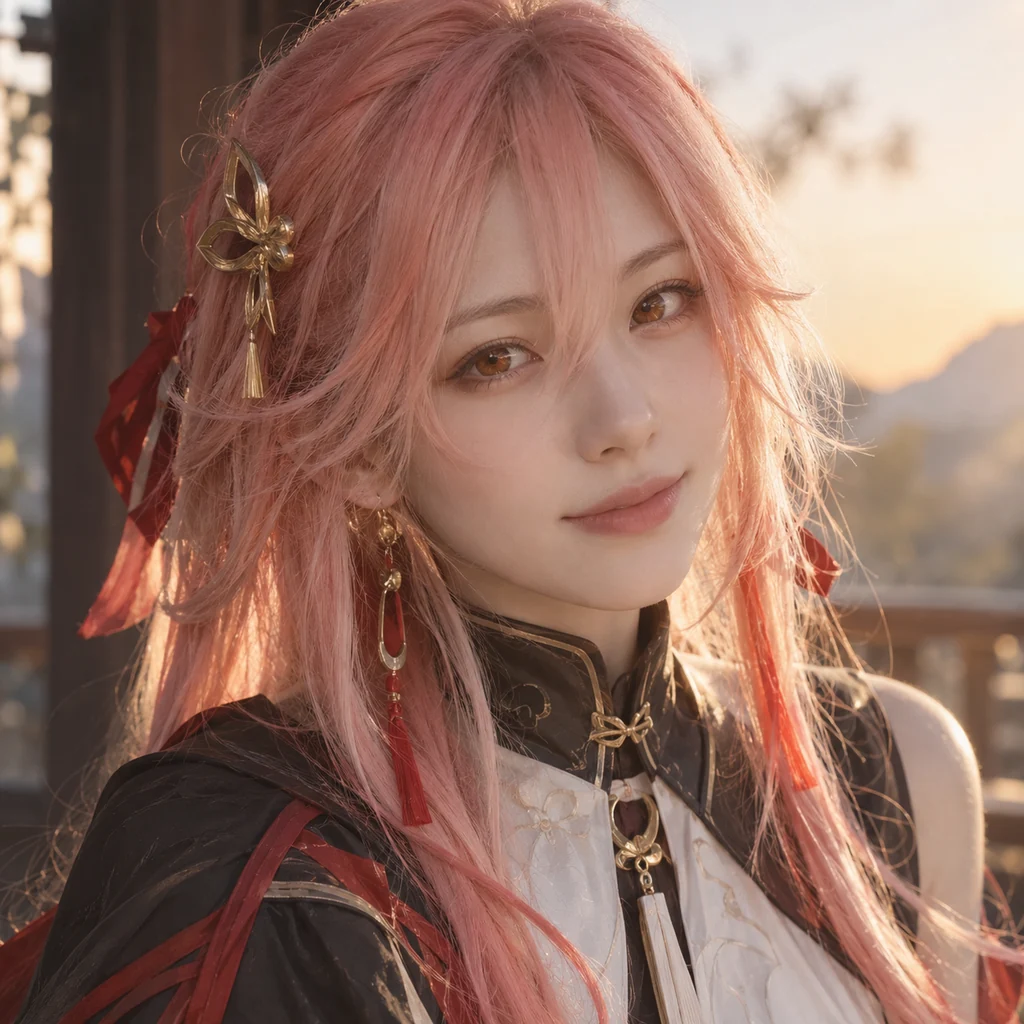
The manga began in 1988; the 1993 OVA, 2000 film and 2005 TV series tell their stories differently, so their events should not be merged into one biography. This page takes the 2005 goddess design as its visual reference: long light-brown hair, blue eyes and facial markings, and white, blue and gold robes. Its images are AI-generated fan art, not official stills or photographs of an actress.
[Fan interpretation] One rewarding reading is the meeting of divine scale and ordinary routines: a wish opens the story, while finding a home, cooking and living with family give the relationship texture. Discussions of wishes and free choice should distinguish the fictional contract, each version’s events and the reader’s judgments. This is a reading, not an author-declared definitive theme.