 NO.689ANIME
OOTDBi Yao
NO.689ANIMEANIME OOTD / CHARACTER ARCHIVE
Bi Yao
Jade Dynasty ↗ / 2022
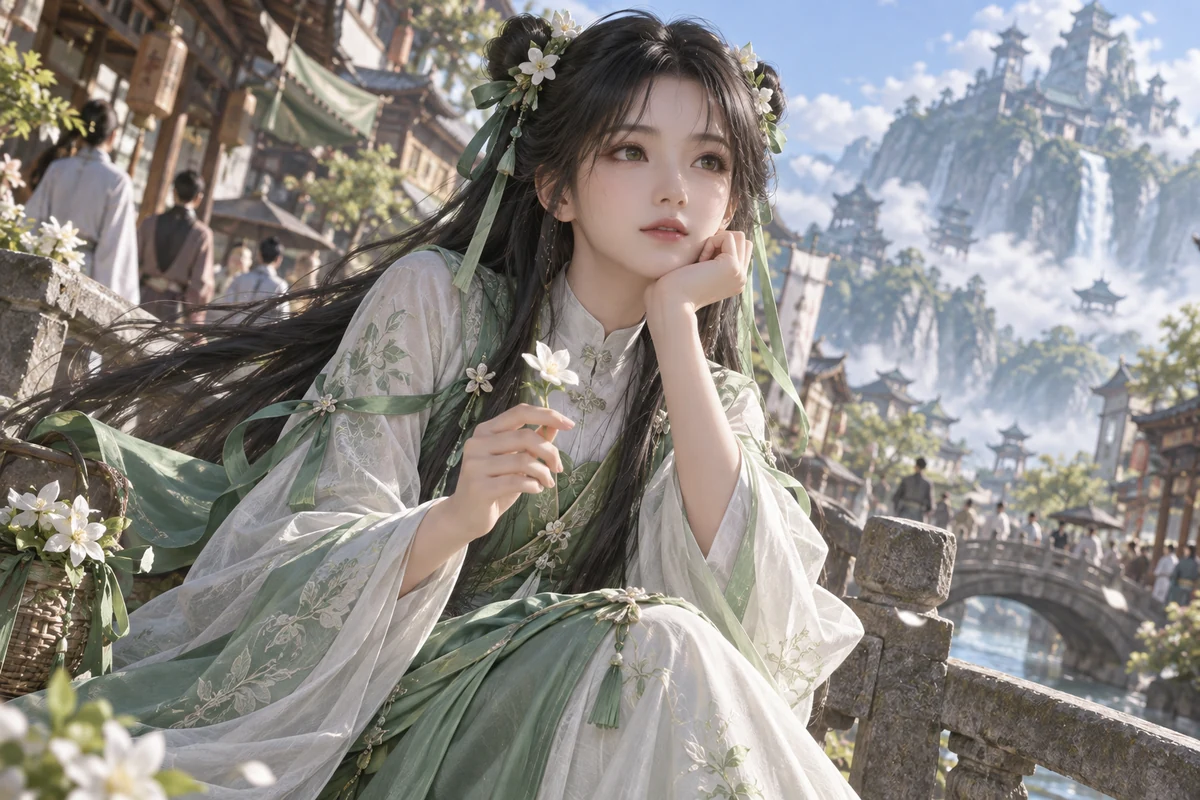
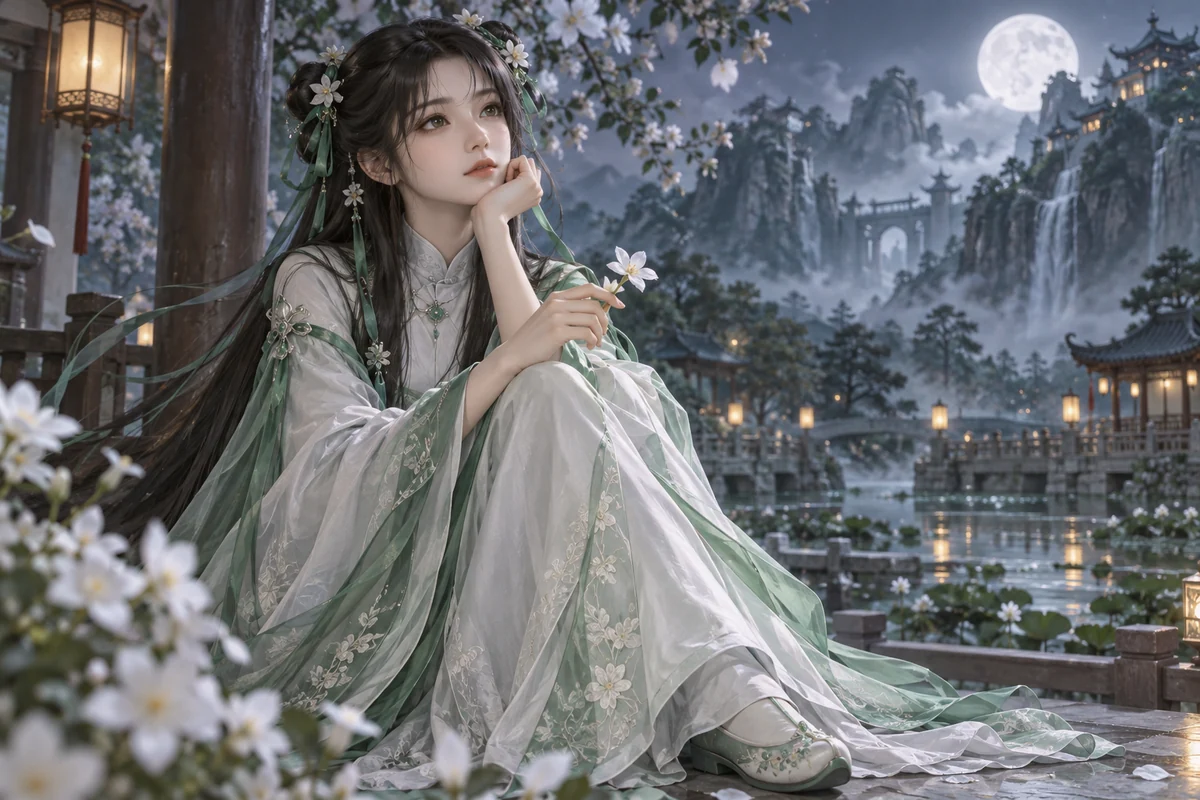
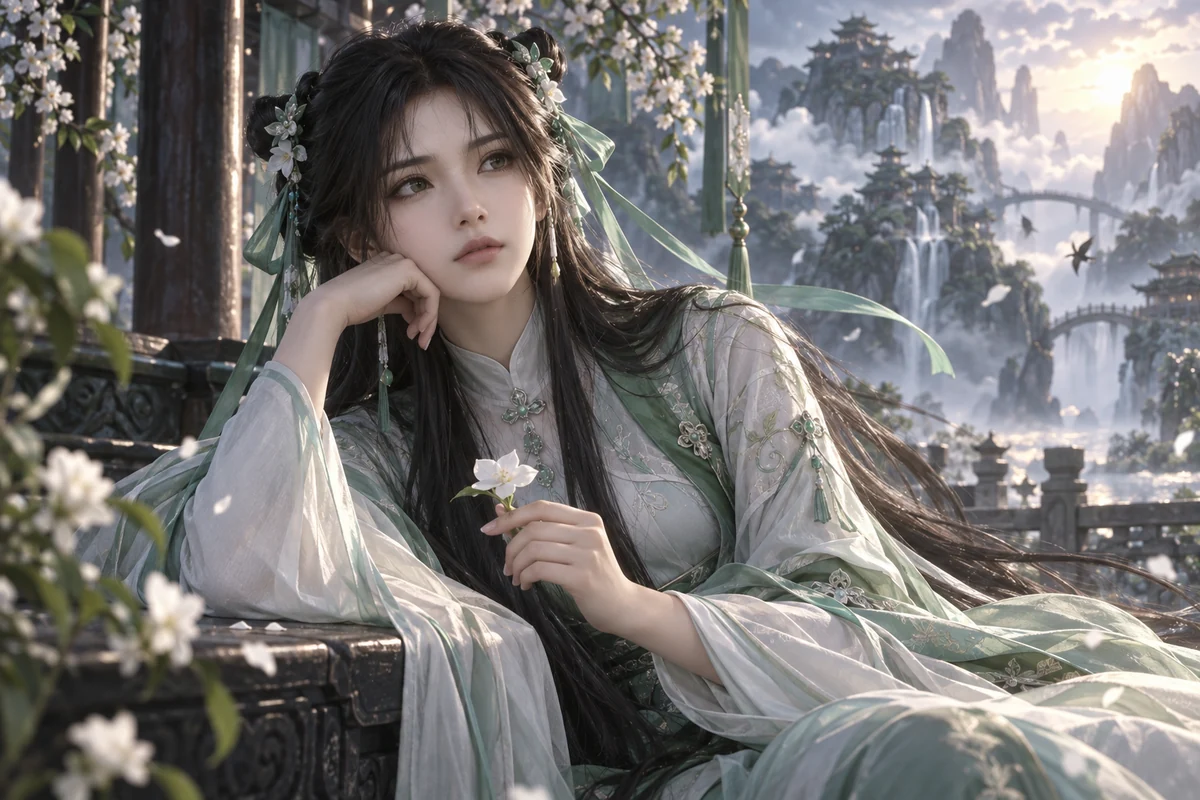
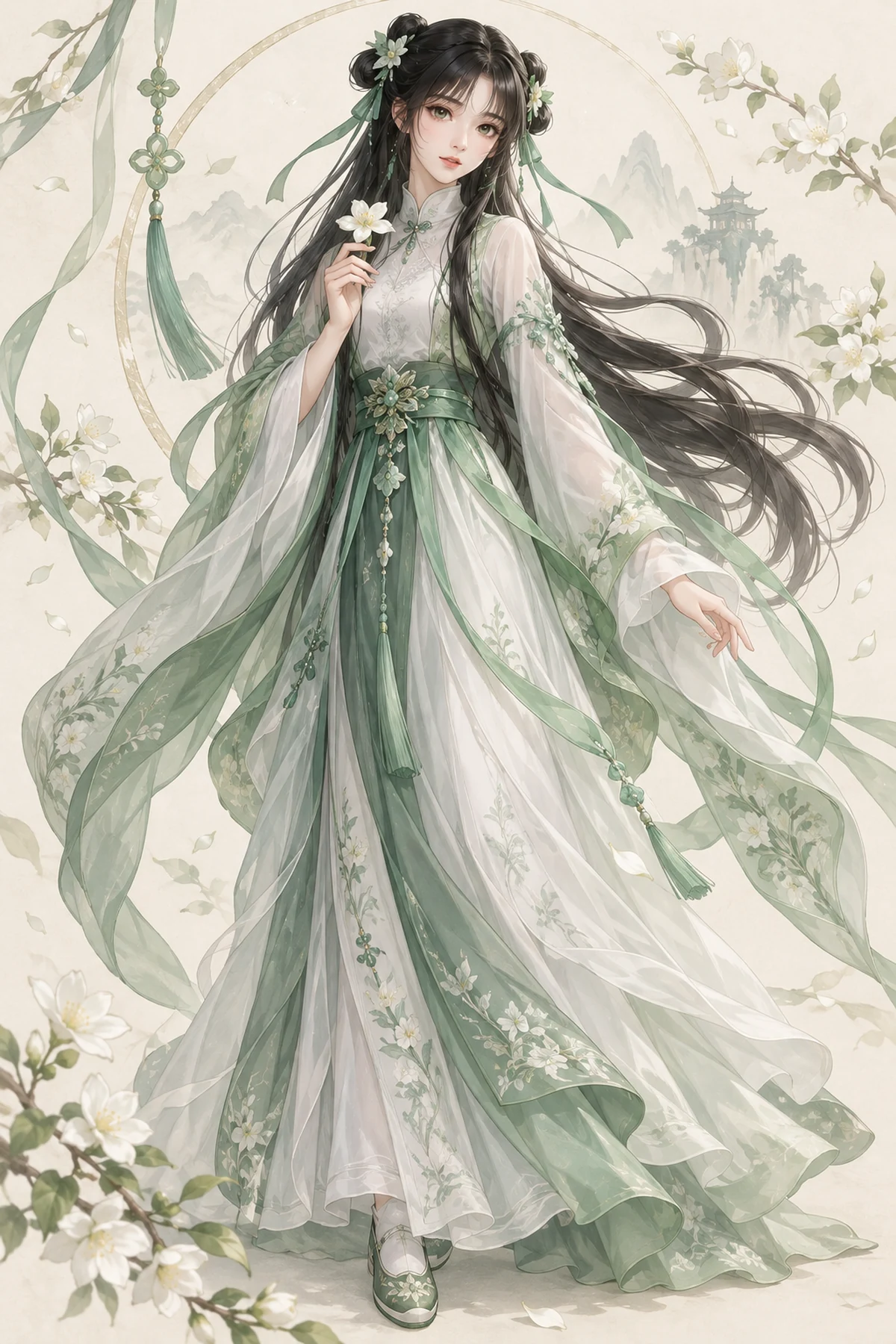
Green robes and the Shangxin flower accompany Bi Yao into Jade Dynasty. Her initiative, teasing and decisive choices challenge judgments based only on sect labels.
Ghost King’s daughter and bearer of Shangxin
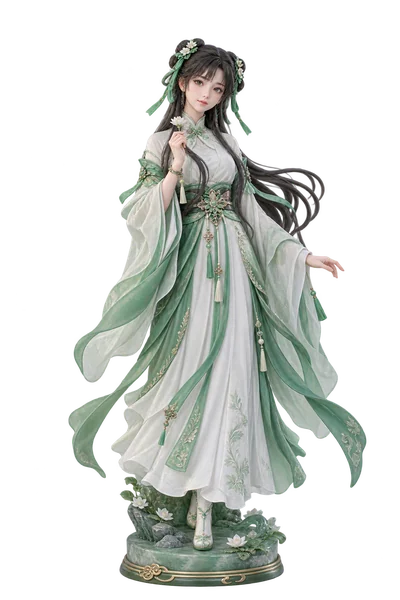
My figure room →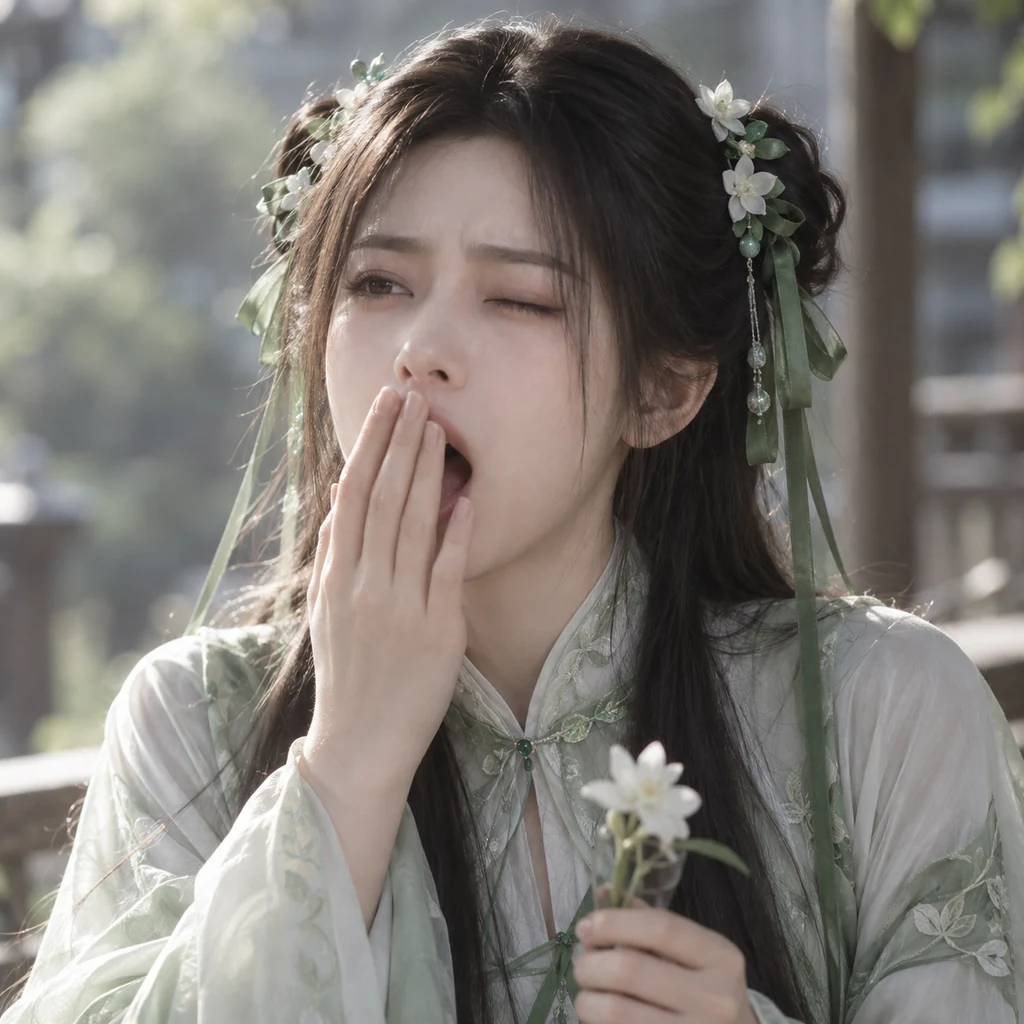
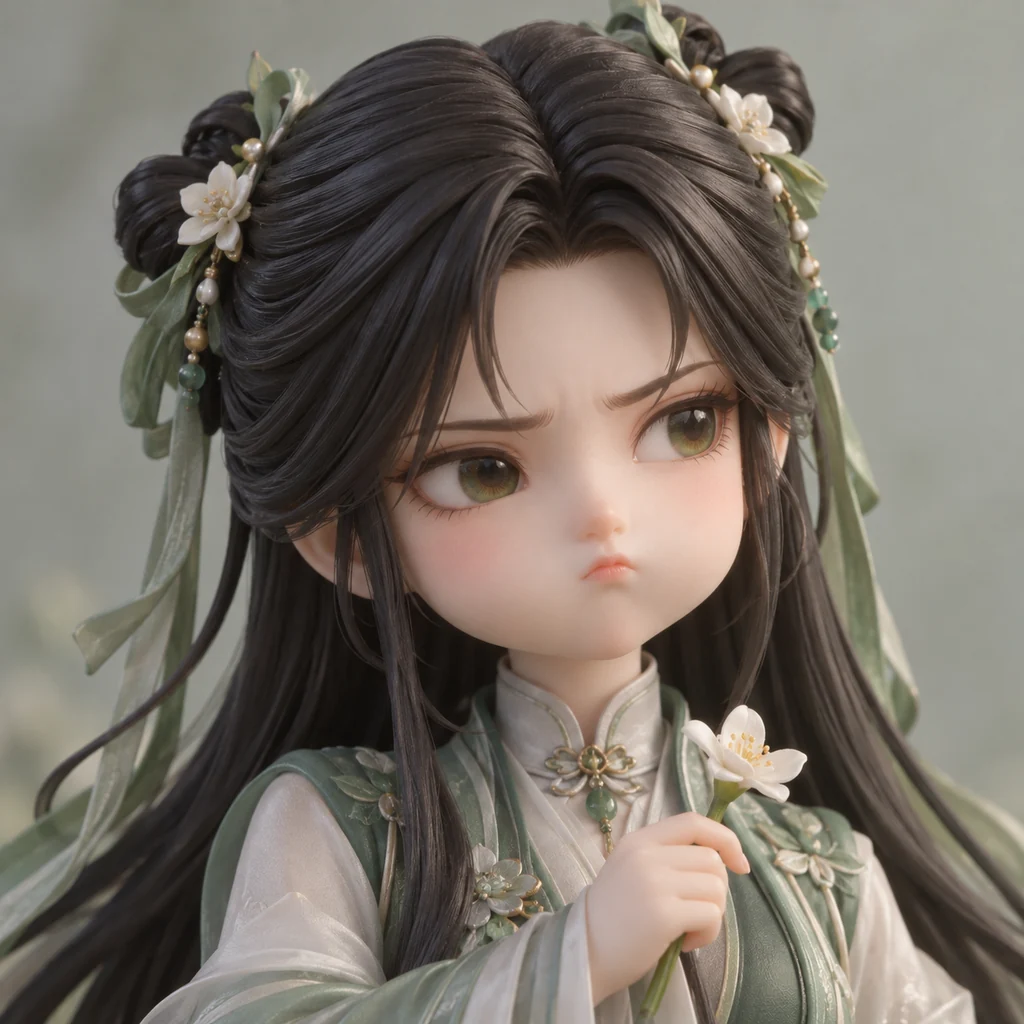
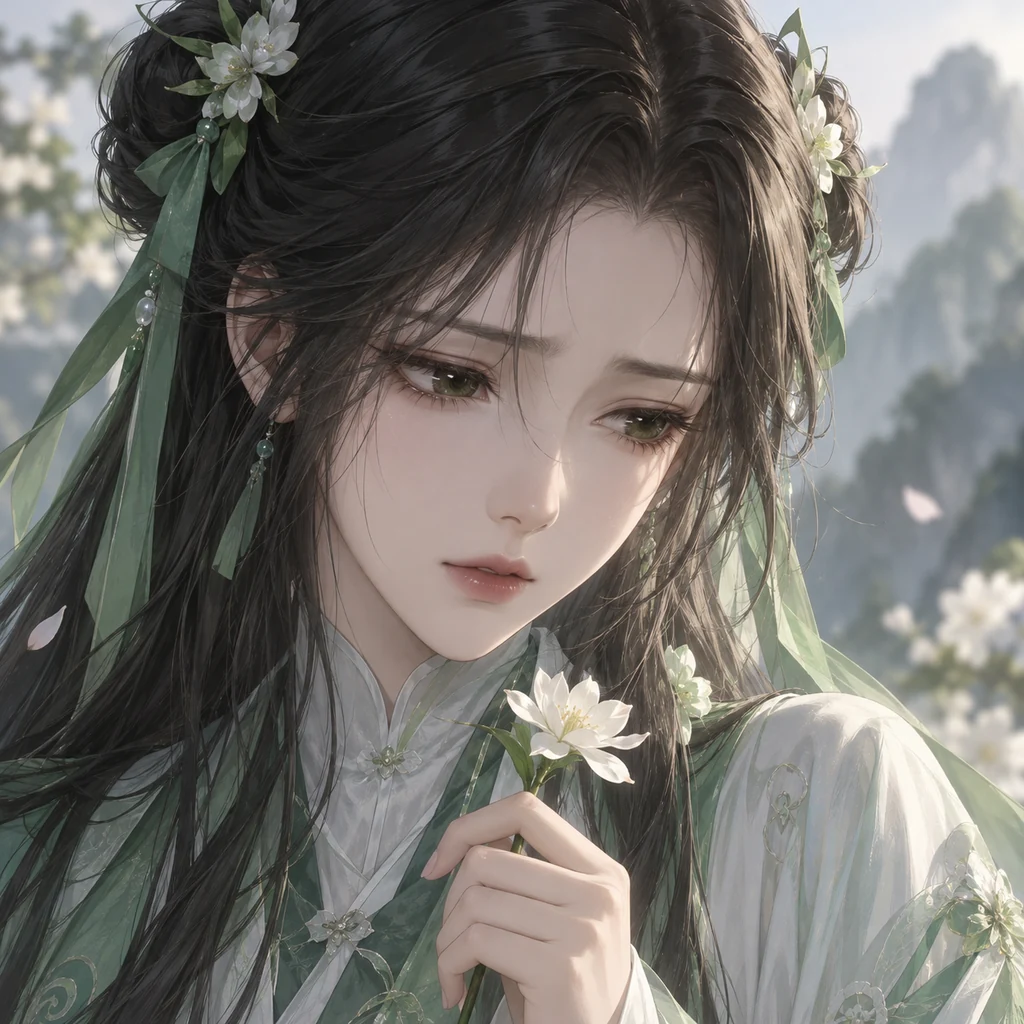
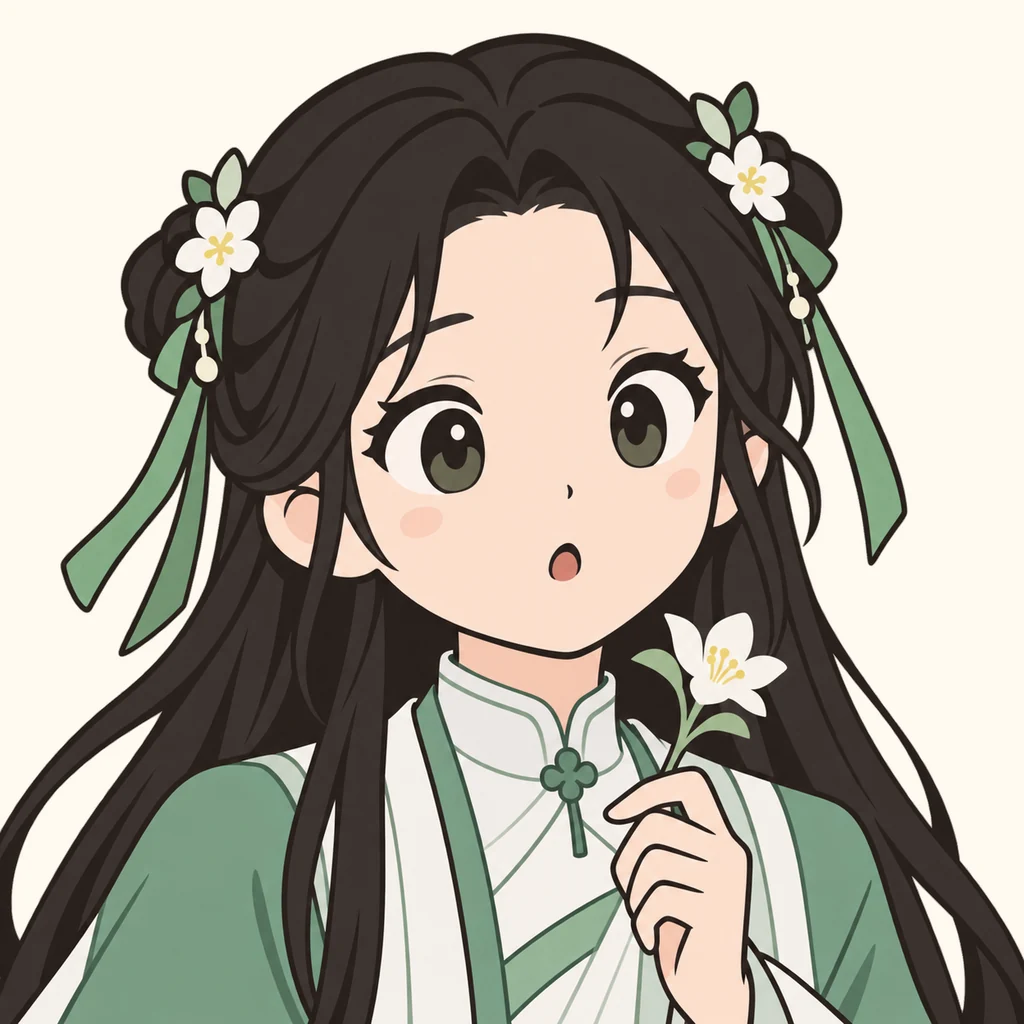
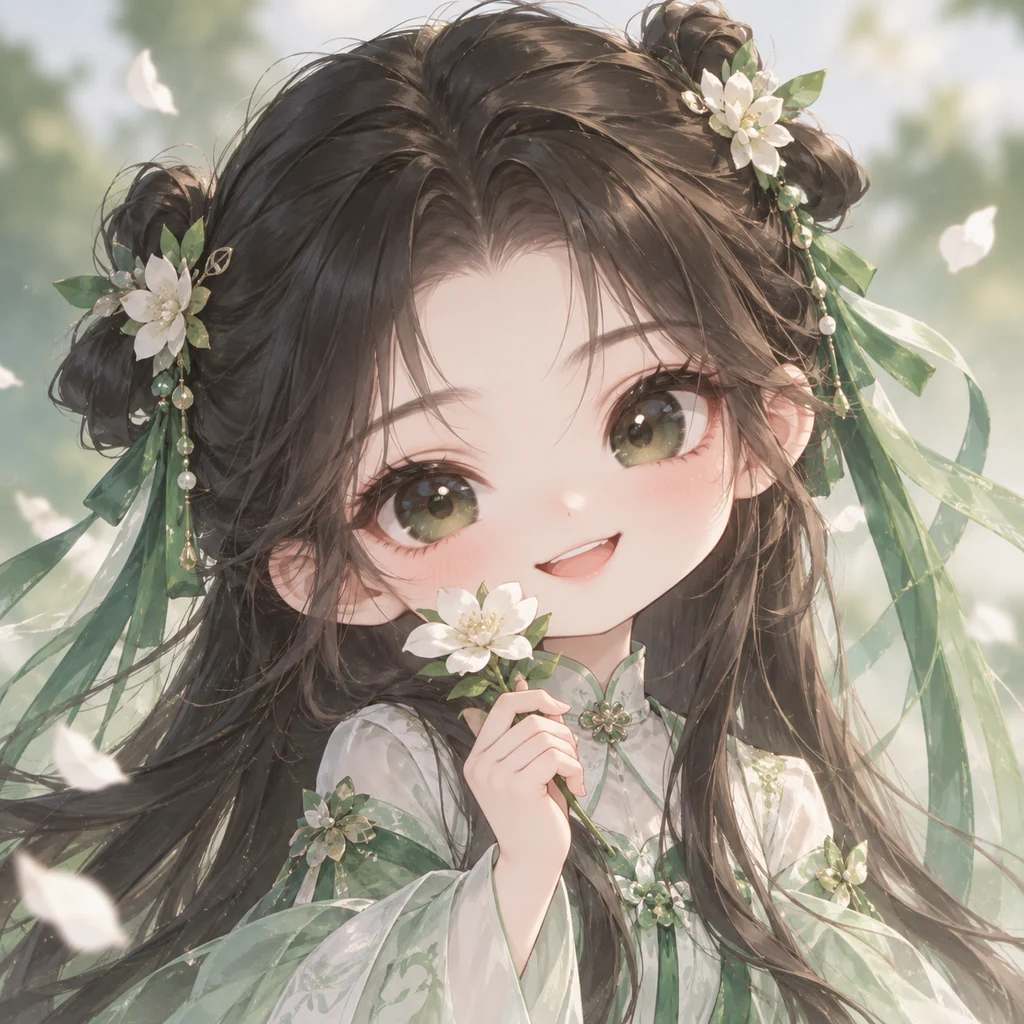
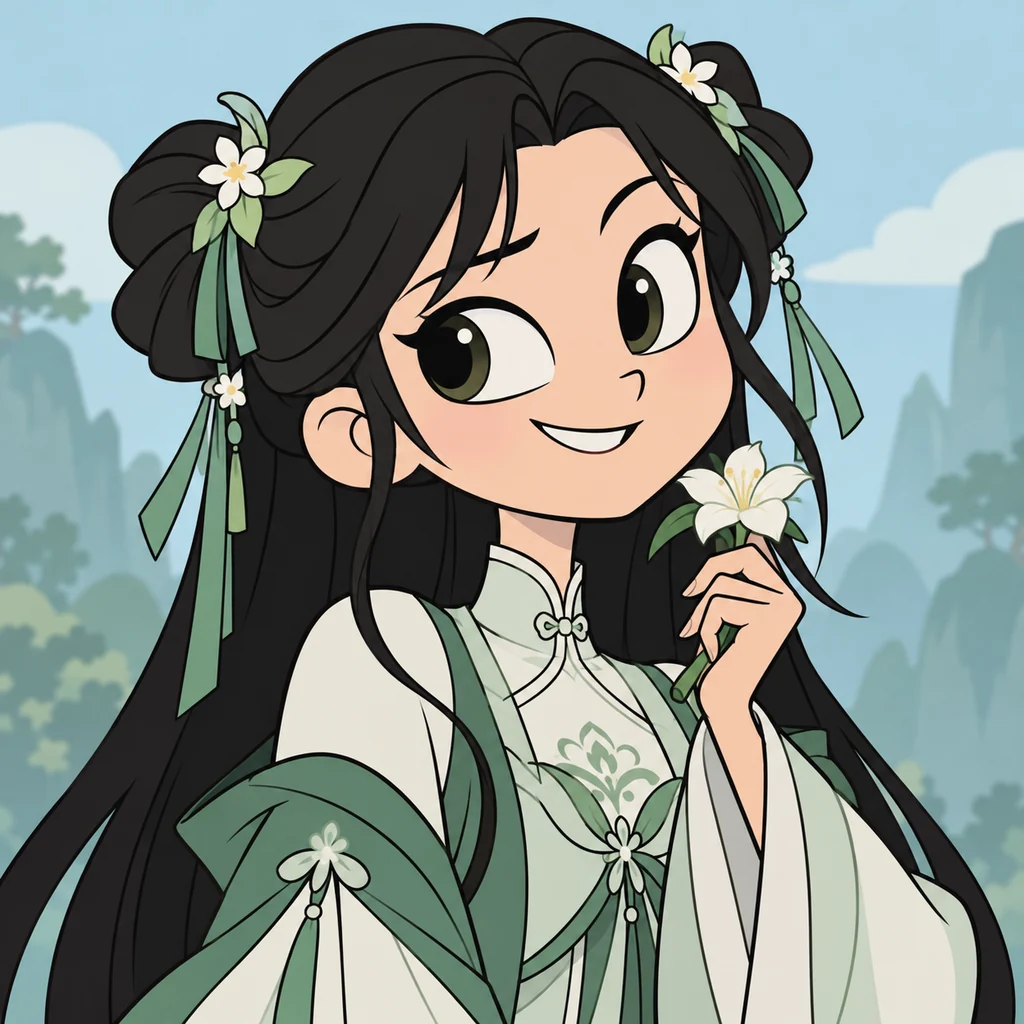
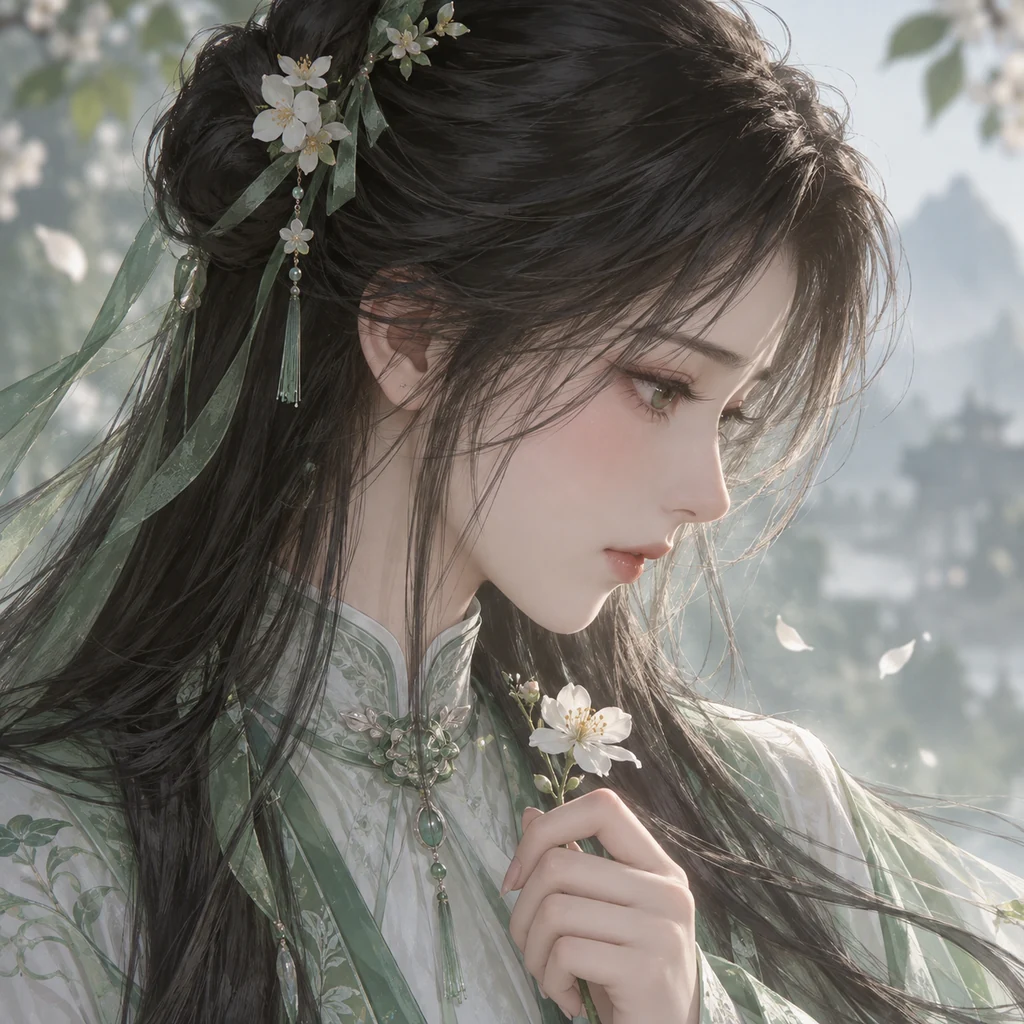
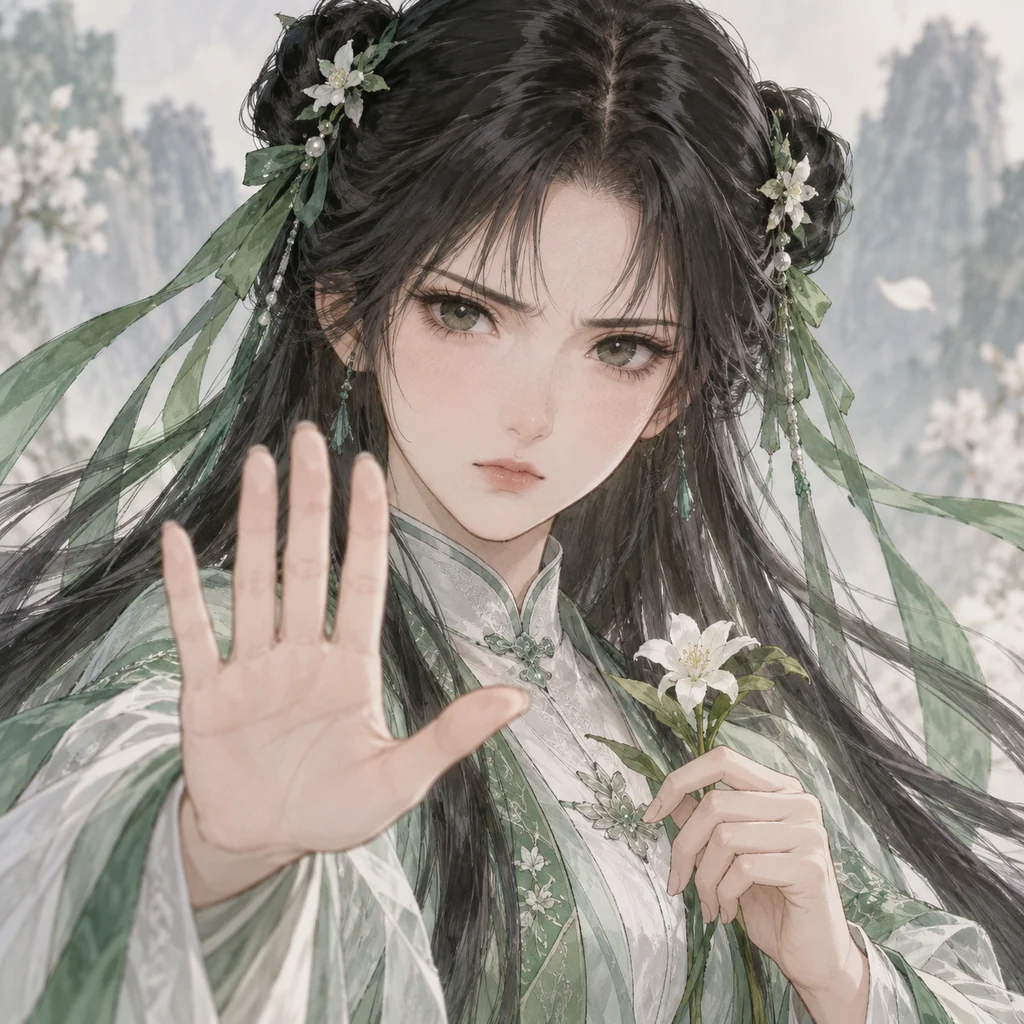
AI-assisted illustrations · Not official anime stills
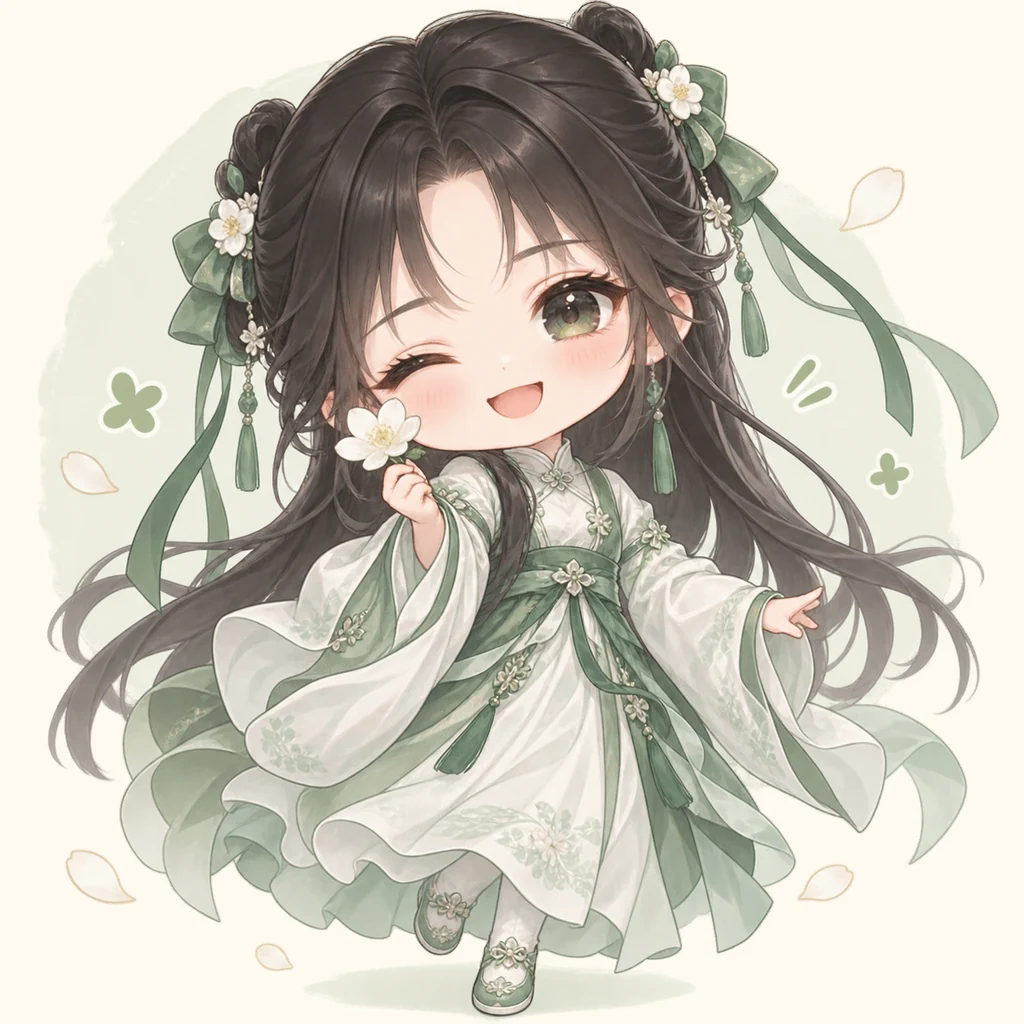
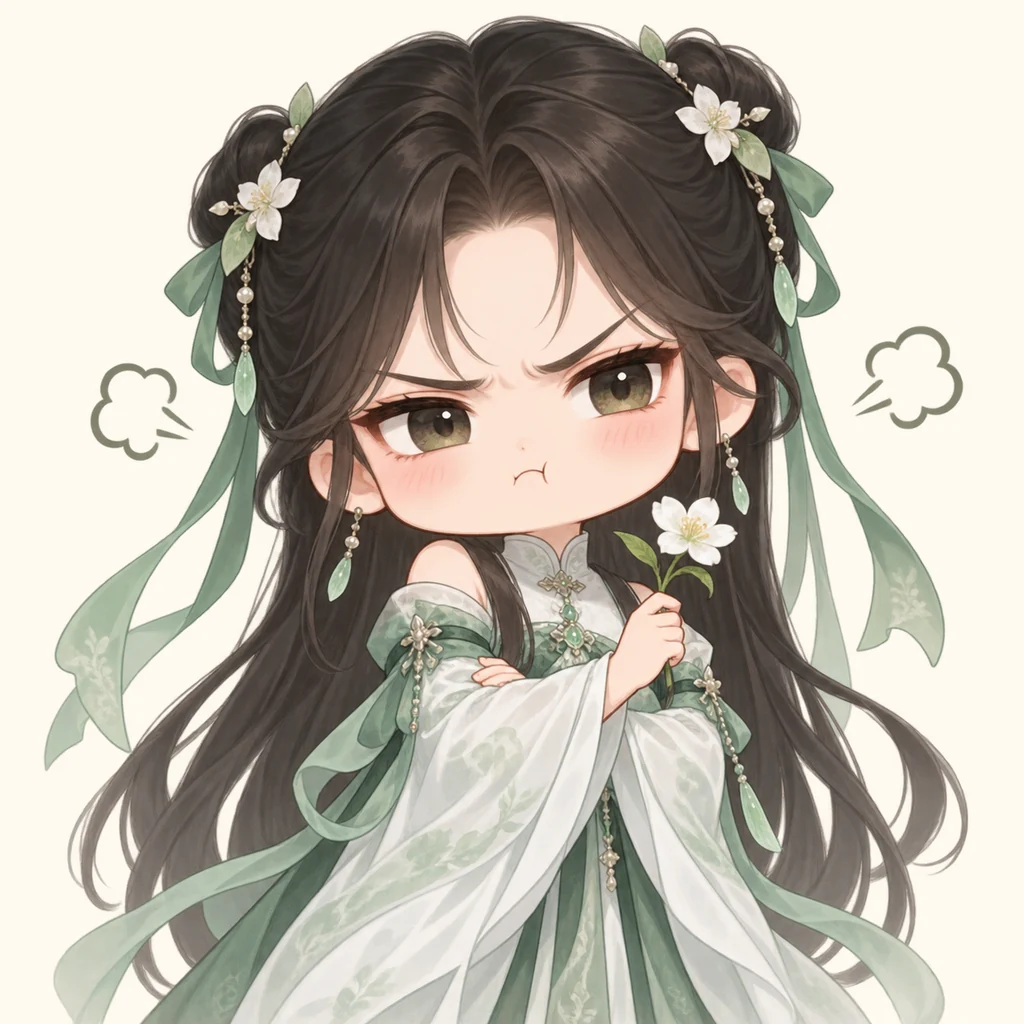
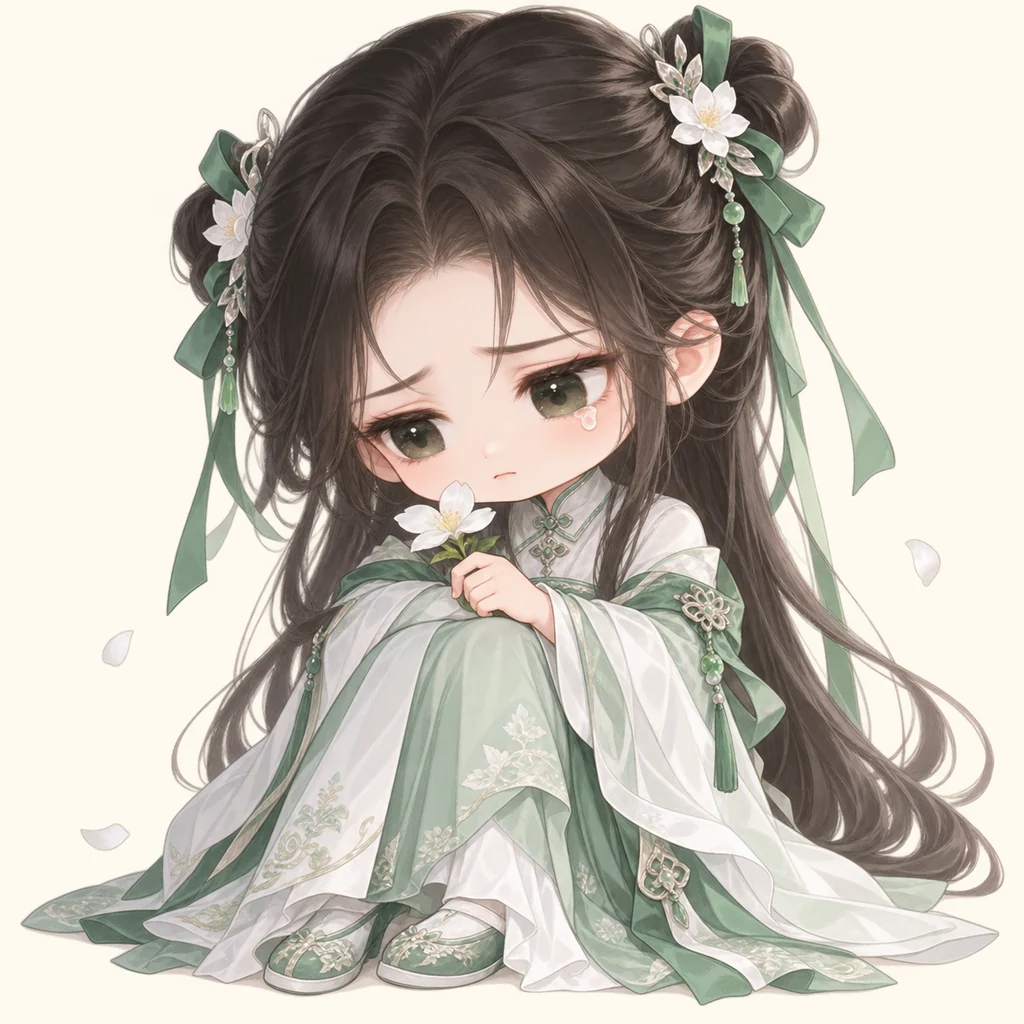
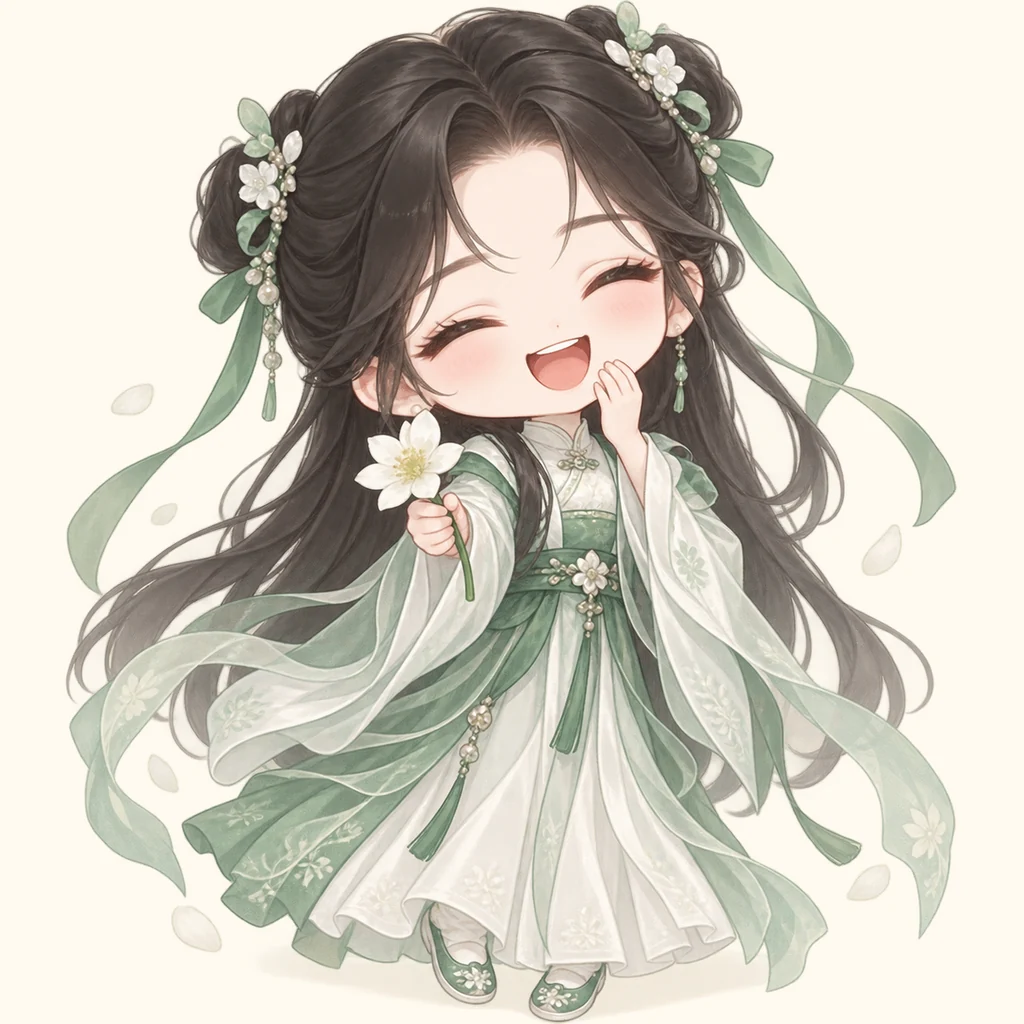
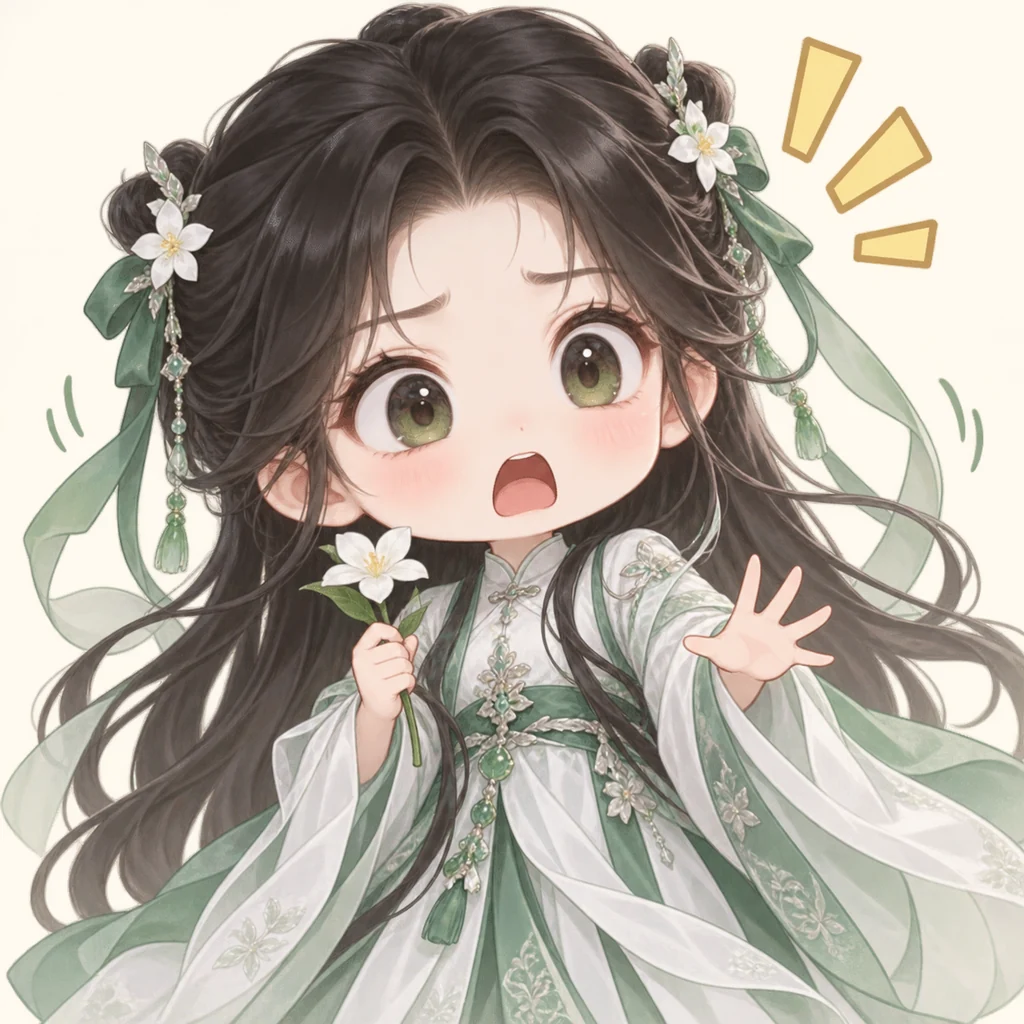
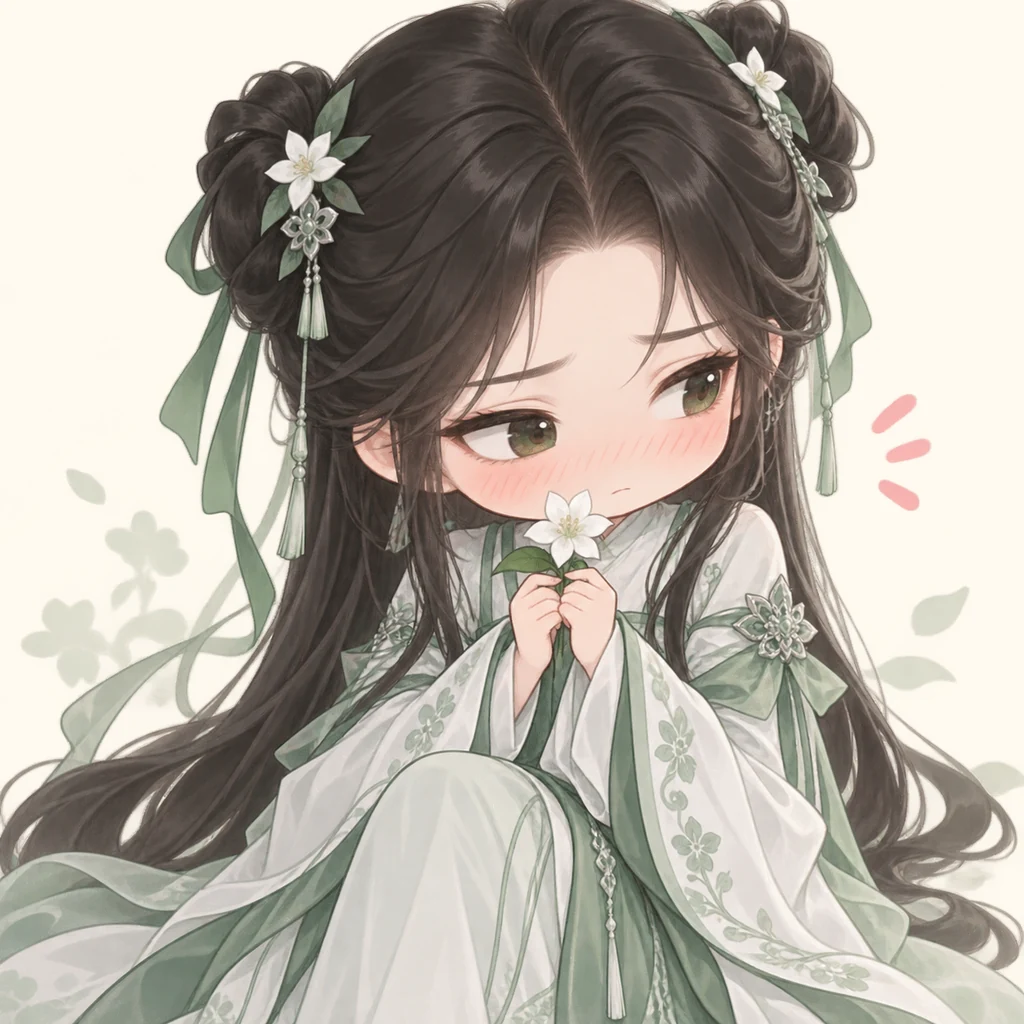
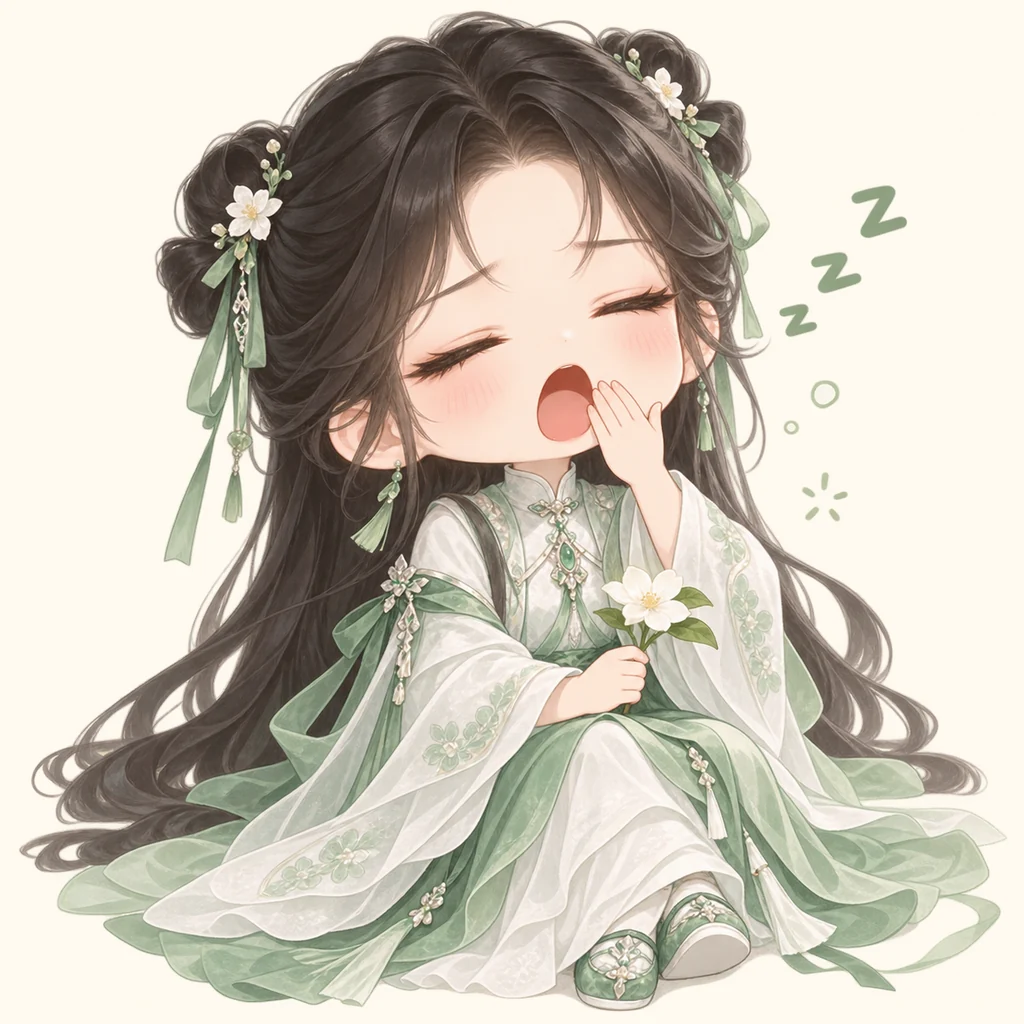
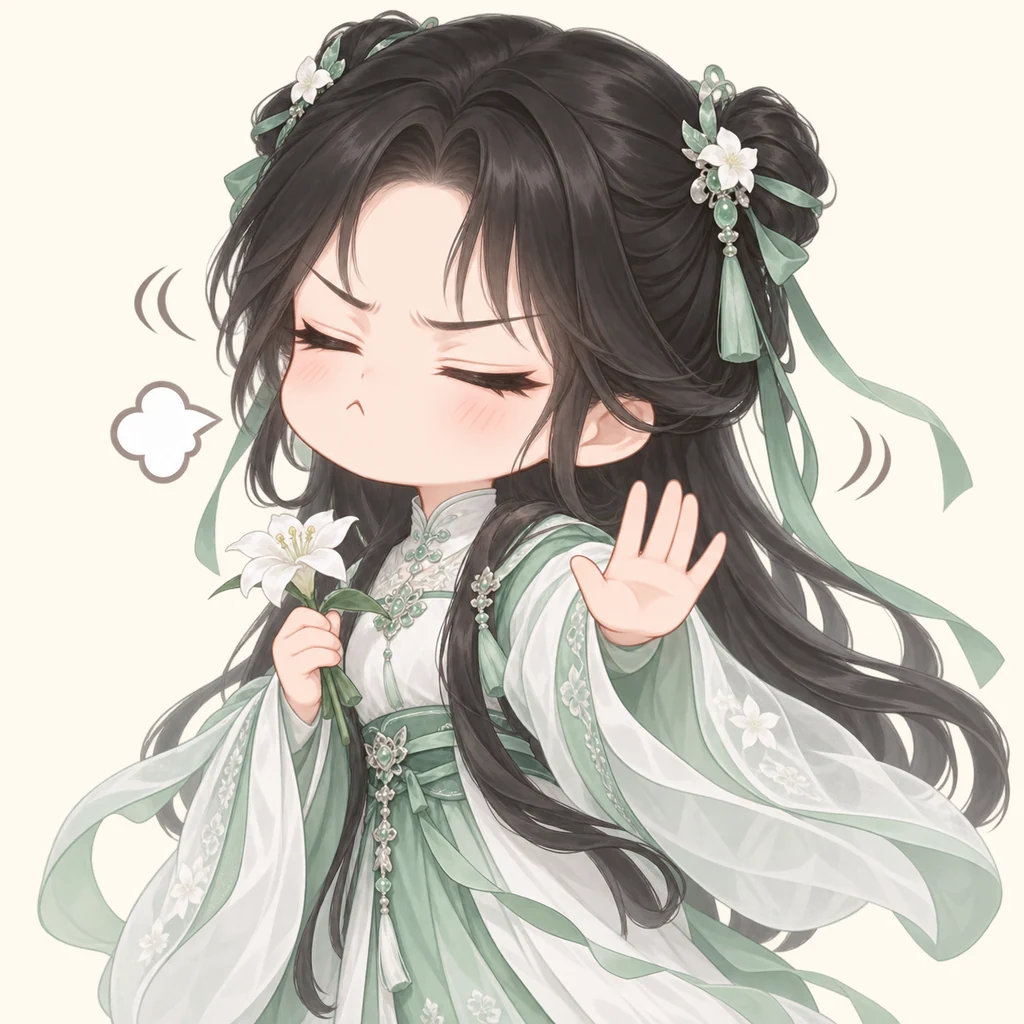
Bi Yao is a major character in Xiao Ding’s novel Jade Dynasty and its animated adaptation launched in 2022. This page uses the animation as its visual reference: the year 2022 identifies that version, not the novel’s original publication. As the daughter of Ghost King Wan Renwang, she begins on the opposite side of Qingyun’s factional divide.
Her liveliness is active rather than merely decorative: she tests people, answers back and crosses the distance between strangers. Green robes and flowers suggest lightness, yet her decisive choices carry much more weight. Drawing close to Zhang Xiaofan does not mean she is unaware of factional conflict; she refuses to let a label replace the person she has met.
Danger around Kongsang Mountain brings her together with Zhang Xiaofan, and shared experiences including the Blood-dripping Cave deepen trust. Affection then collides with sect loyalty. Her rescue and the devotion spell at Qingyun form a major turning point in the novel. Injury, the soul and later attempts at recovery matter; reducing that fate to an ordinary farewell or a happy reunion loses essential context.
Wan Renwang is her father; Ghost King is his title, not a separate unrelated person. Zhang Xiaofan is someone she profoundly affects and cares for, without this page treating them as married. Lu Xueqi belongs to Qingyun and is not Bi Yao’s biological sister. Neither woman is adequately explained as merely competing for the same man: each has her own loyalties and choices.
Green clothing, black hair and the Shangxin flower are recurring visual cues; the Hehuan bell is also closely tied to her fate. Animation, games and live-action adaptations do not share every costume detail. This fan set keeps green-white robes and floral motifs across fully clothed portraits, varied media and reactions, without borrowing an actor’s face or claiming an official new skin.
The name Shangxin, or heartache, contrasts with her lively entrance and makes an effective rewatching cue. A flower first appears to be a light visual accessory; after later choices, her gestures and conversations can feel different. That contrast offers an interesting reading without proving an unconfirmed secret ending or an authorial conspiracy.