 NO.732ANIME
OOTDTaeko Okajima
NO.732ANIMEANIME OOTD / CHARACTER ARCHIVE
Taeko Okajima
Only Yesterday ↗ / 1991
Taeko brings her ten-year-old questions onto a countryside train at twenty-seven. Old hurts do not vanish, but new conversations may offer another answer.
Tokyo office worker on a countryside visit
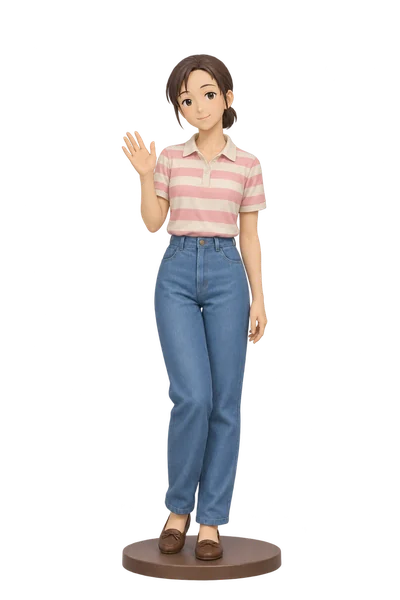
My figure room →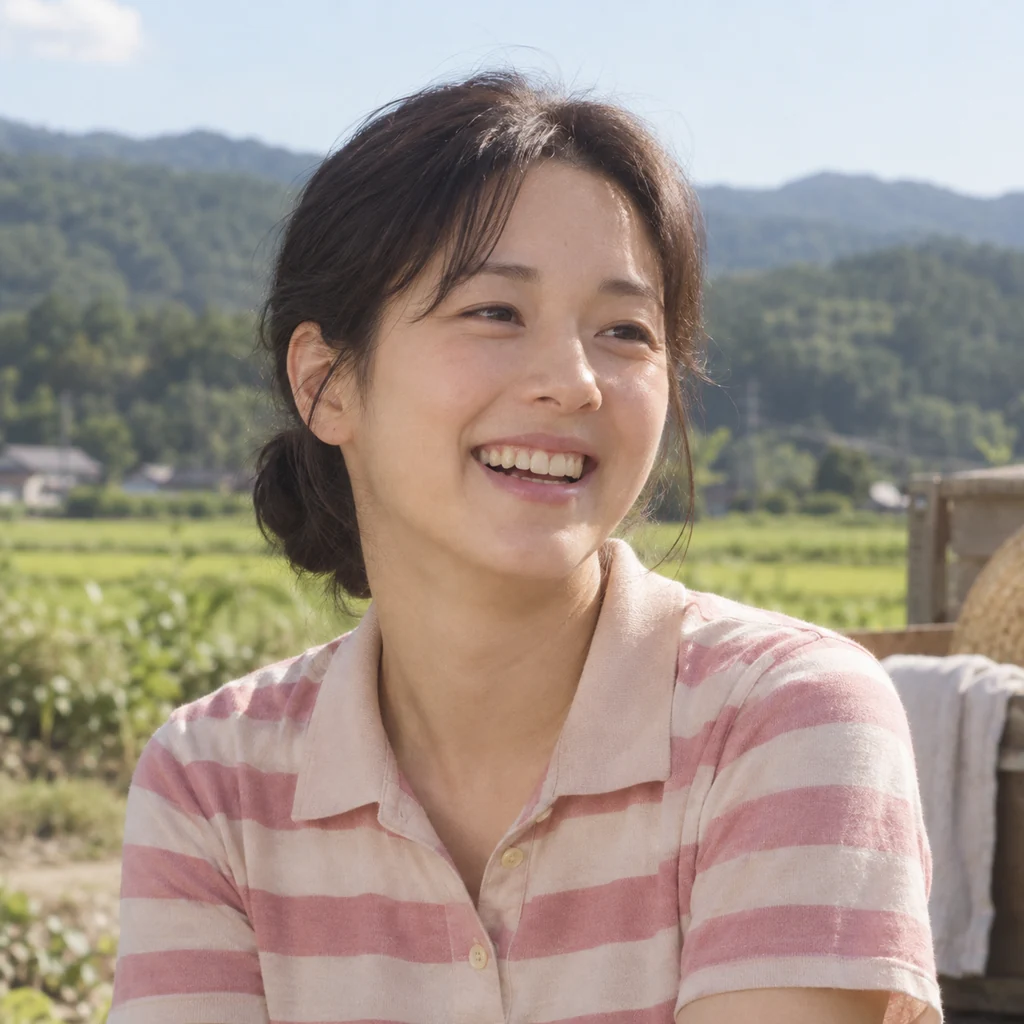
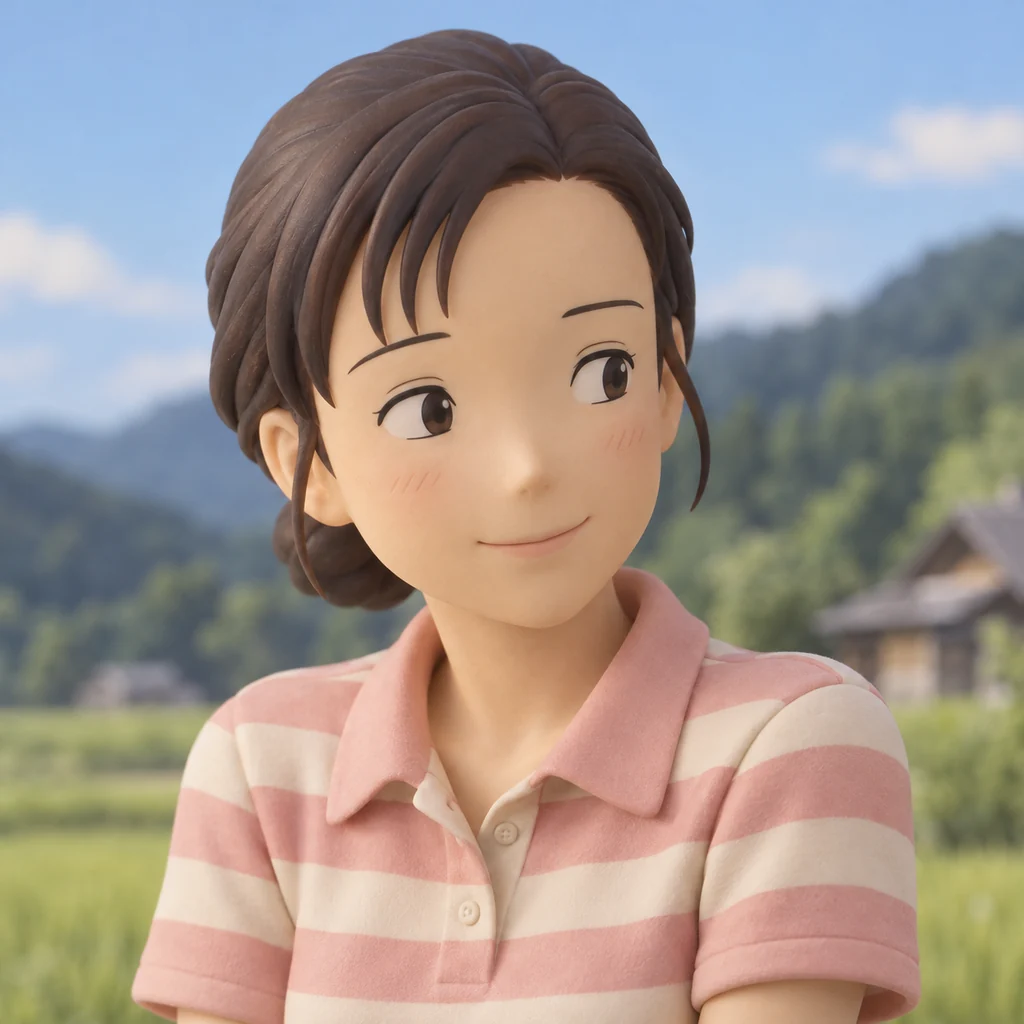
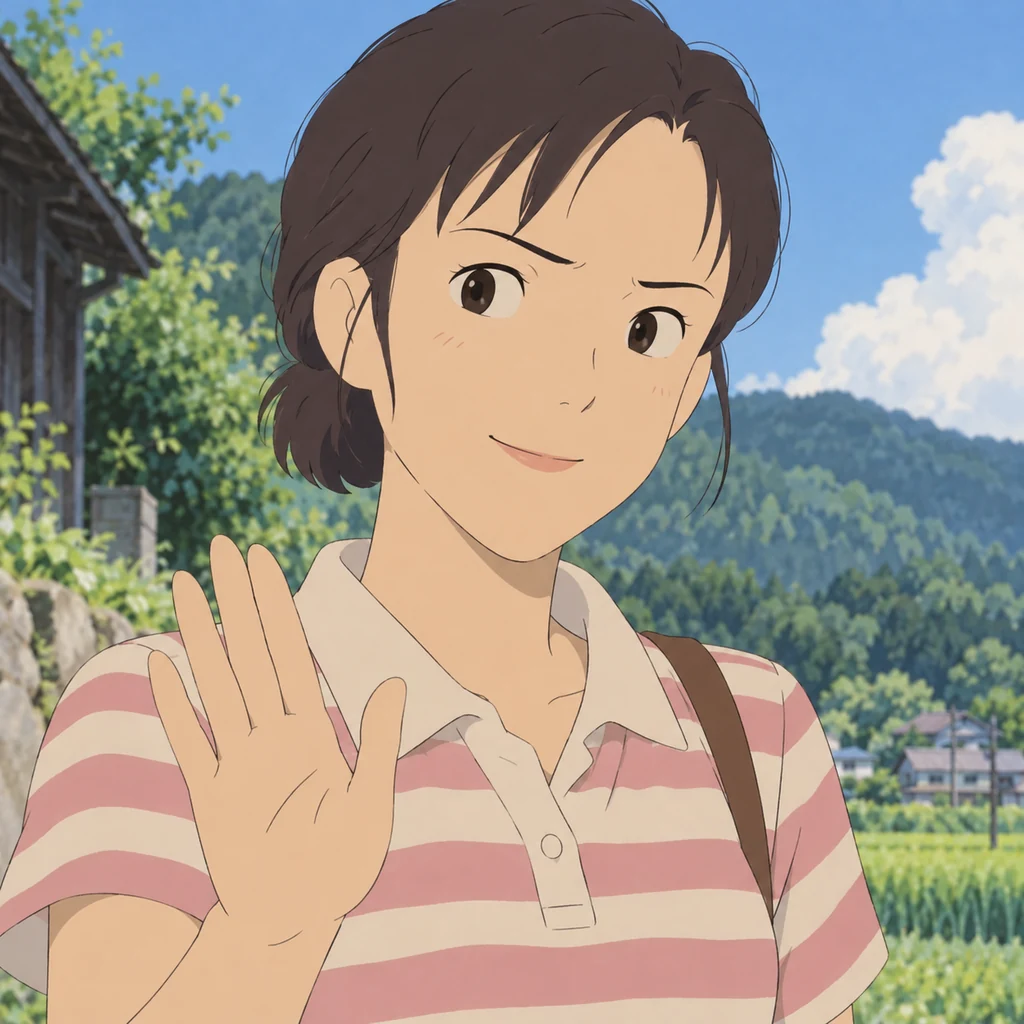
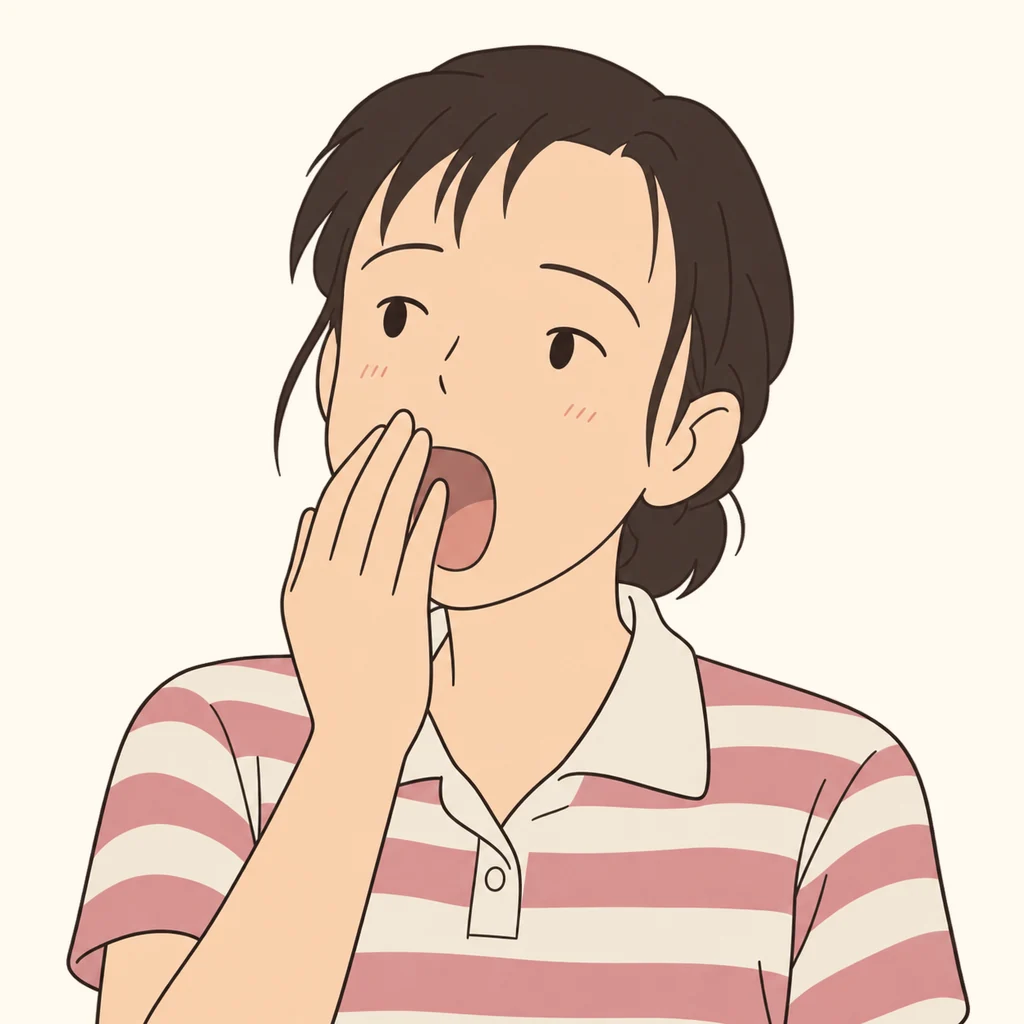
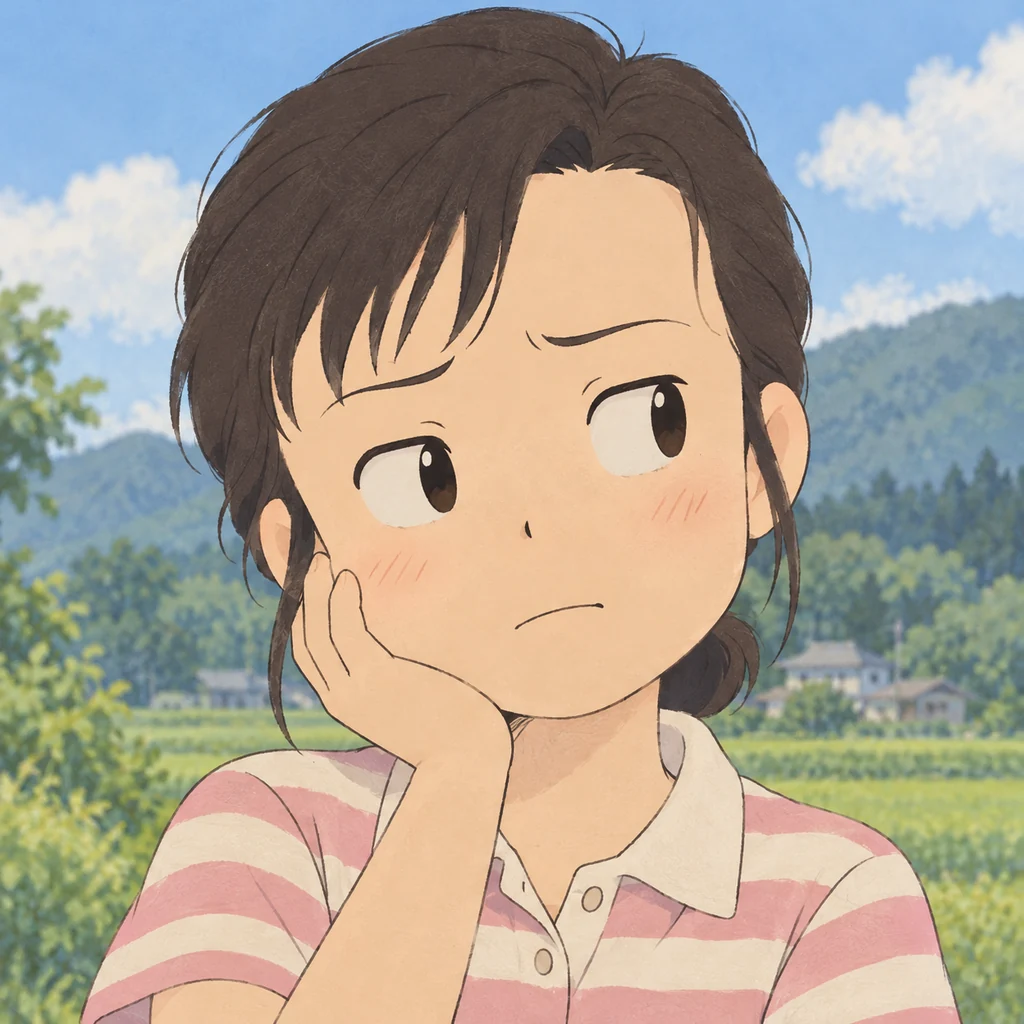
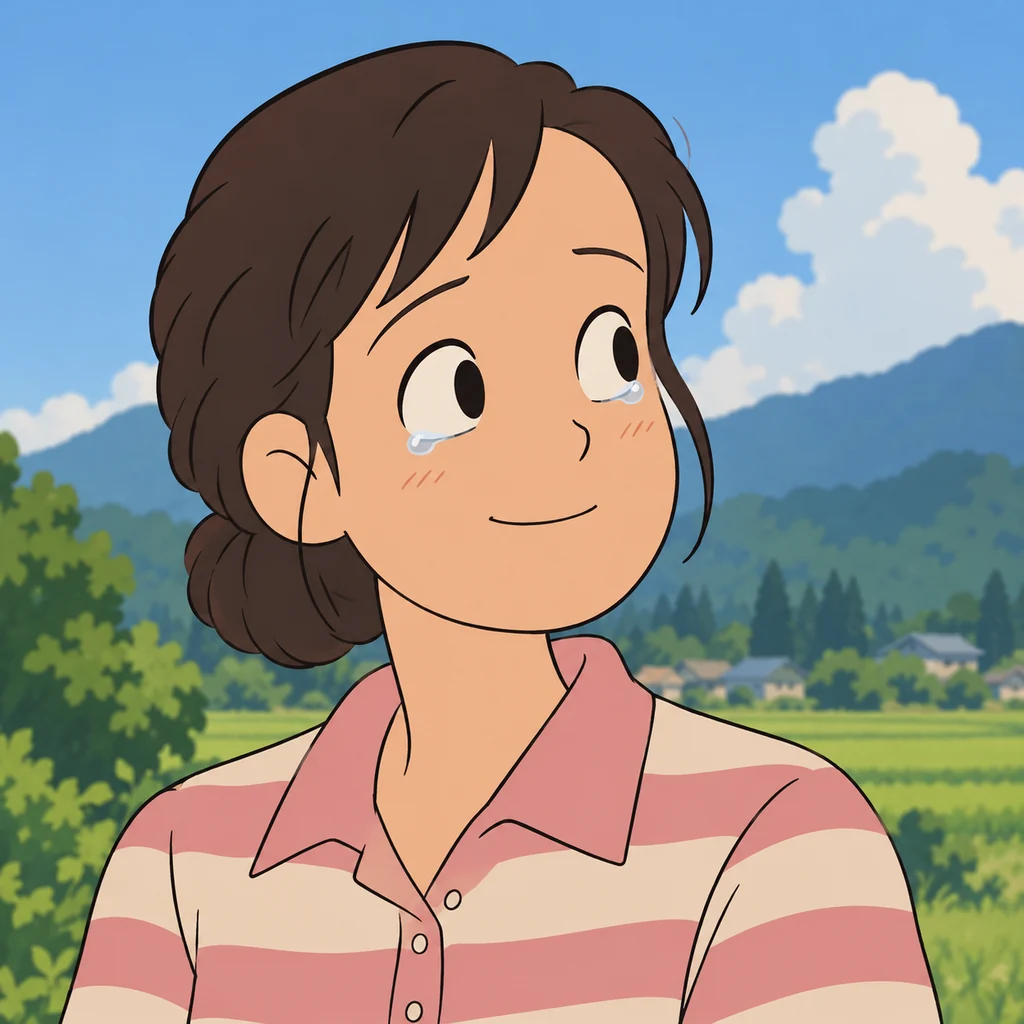
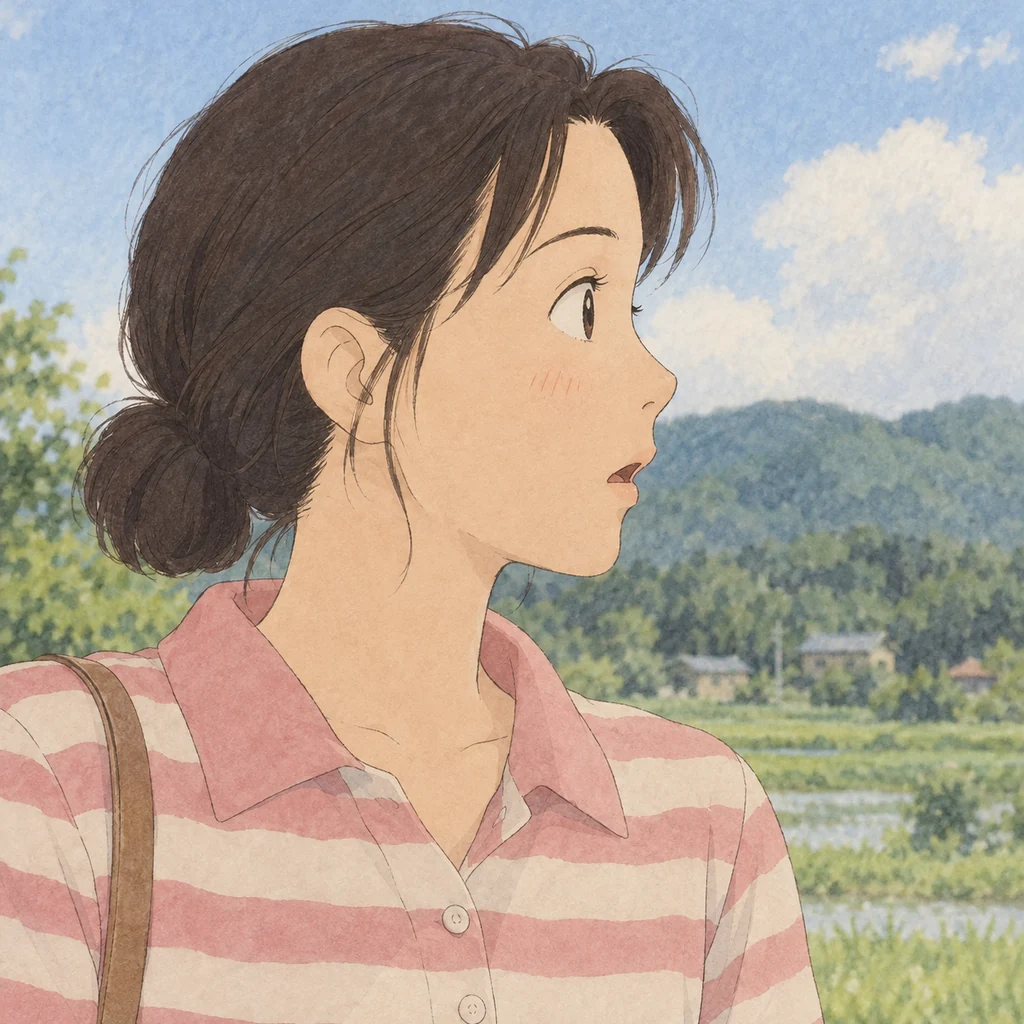
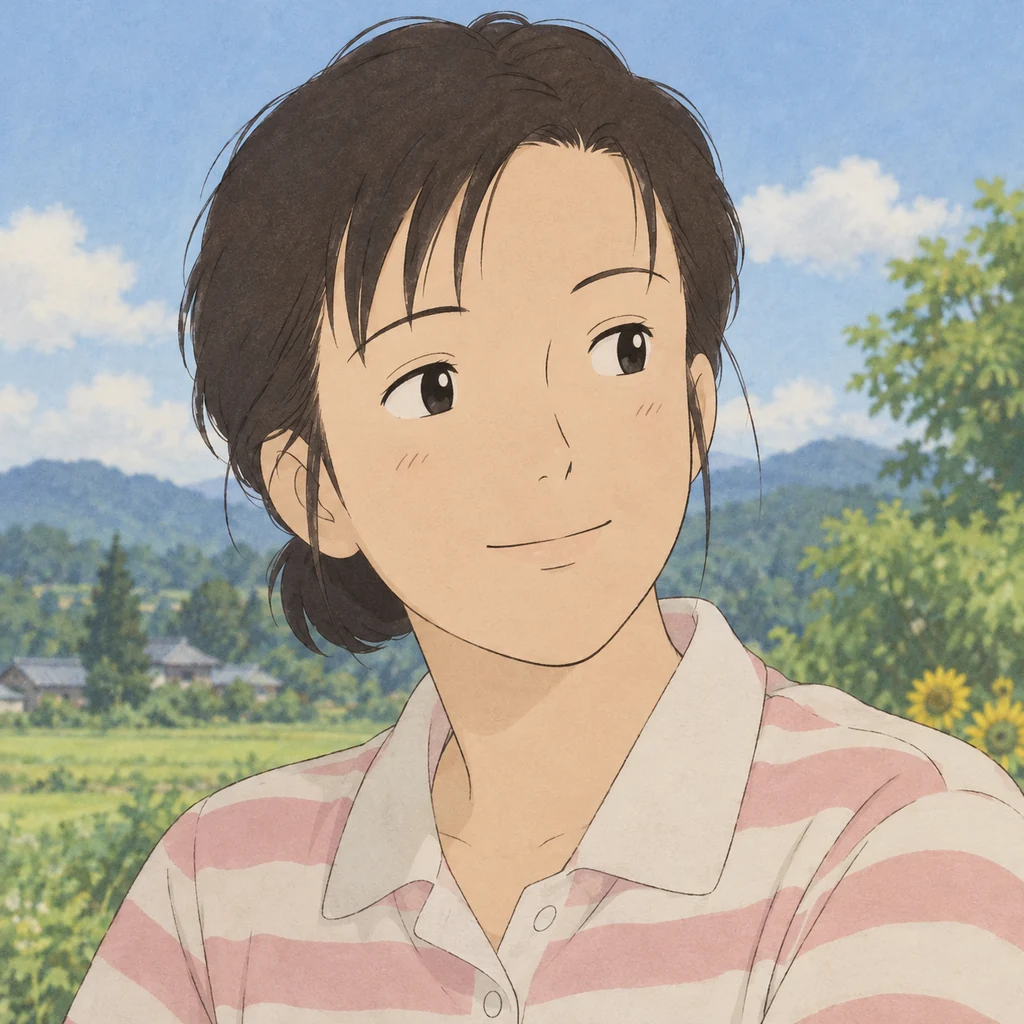
AI-assisted illustrations · Not official anime stills
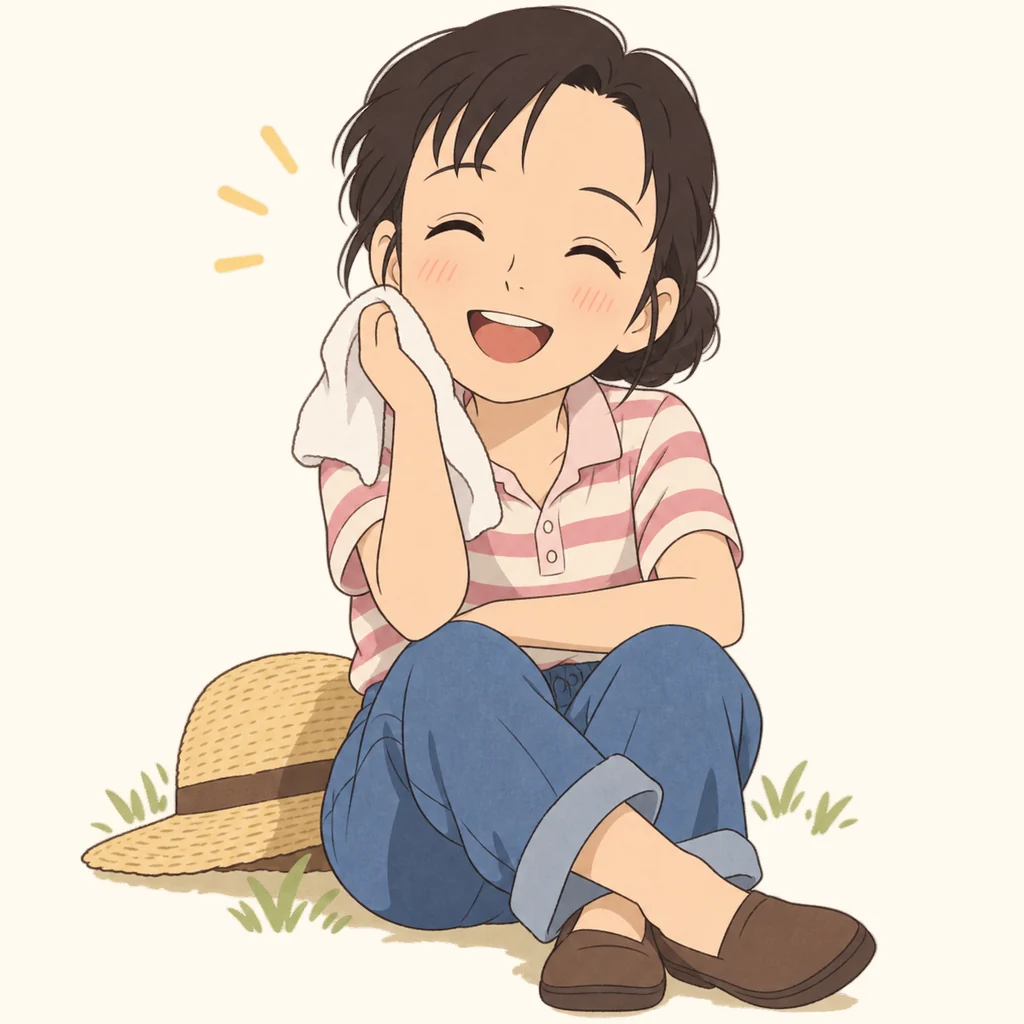
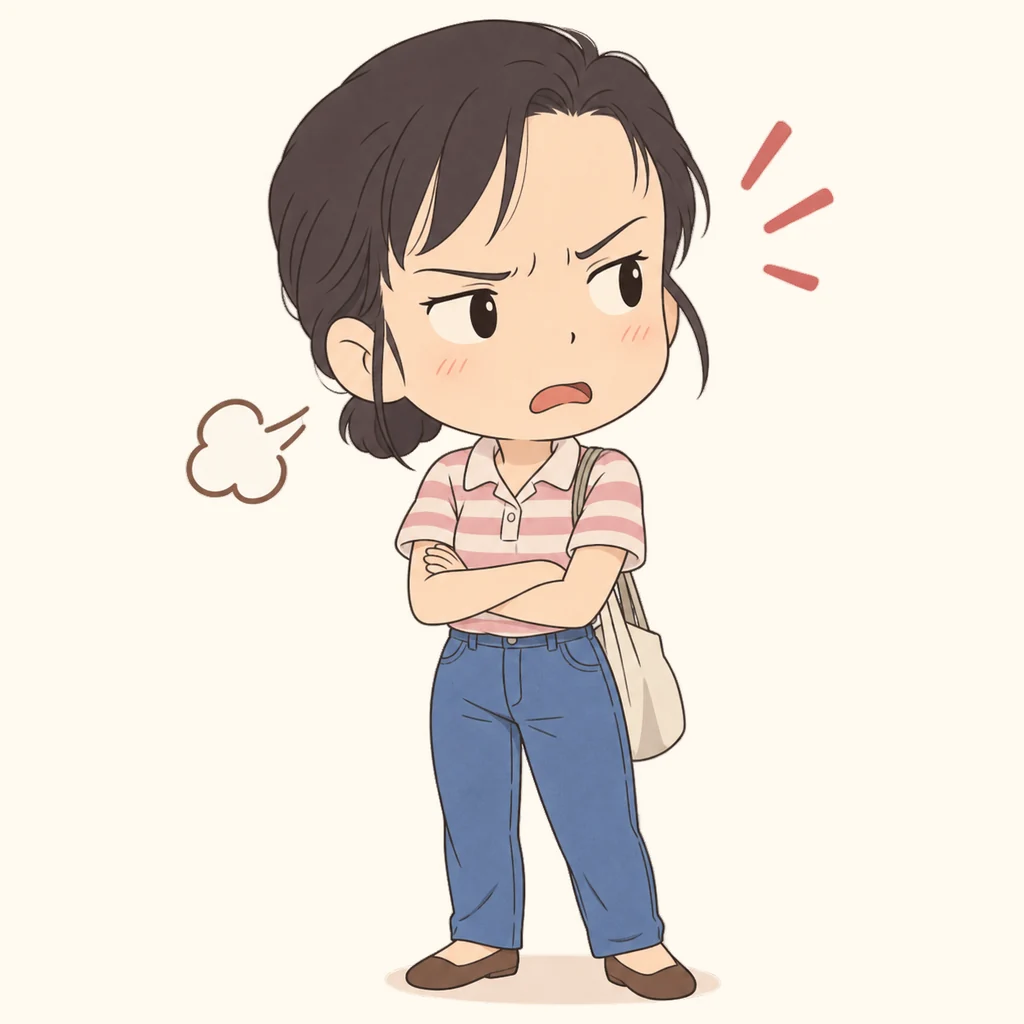
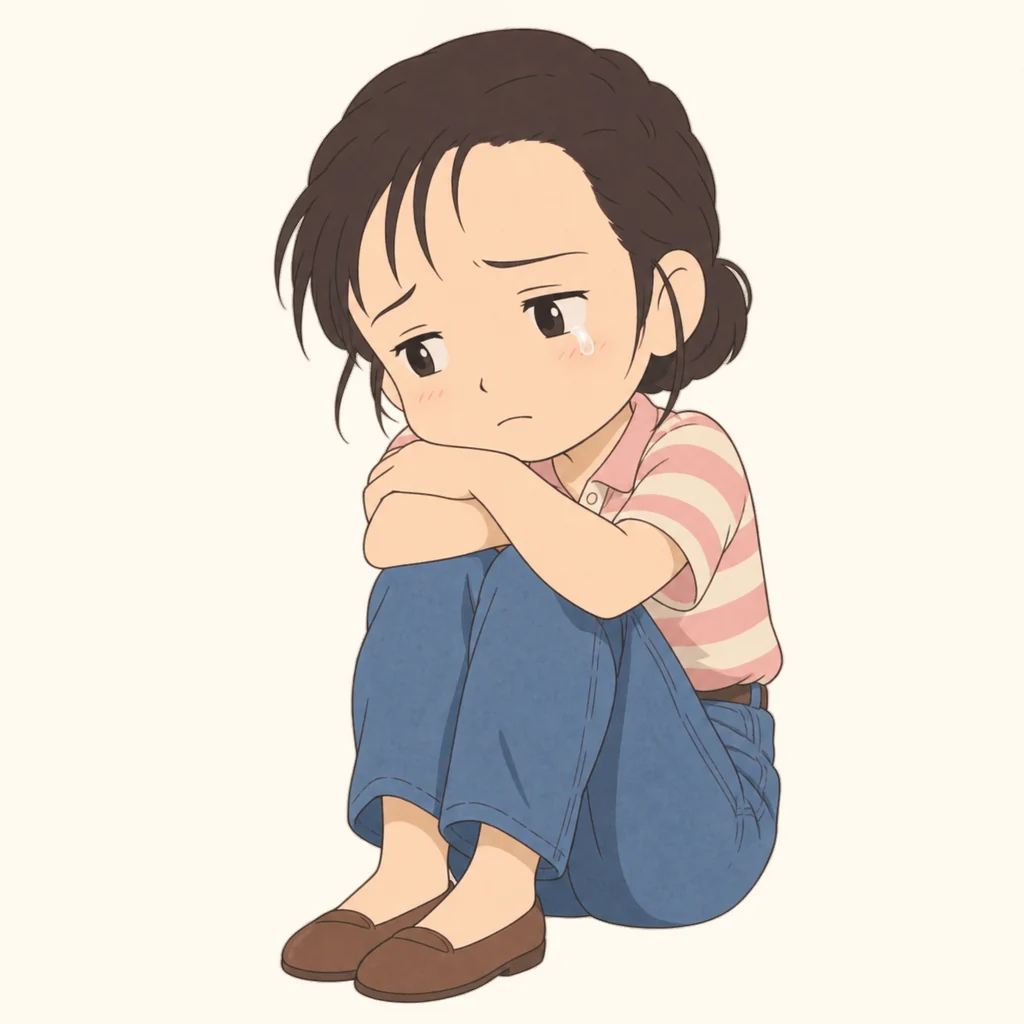
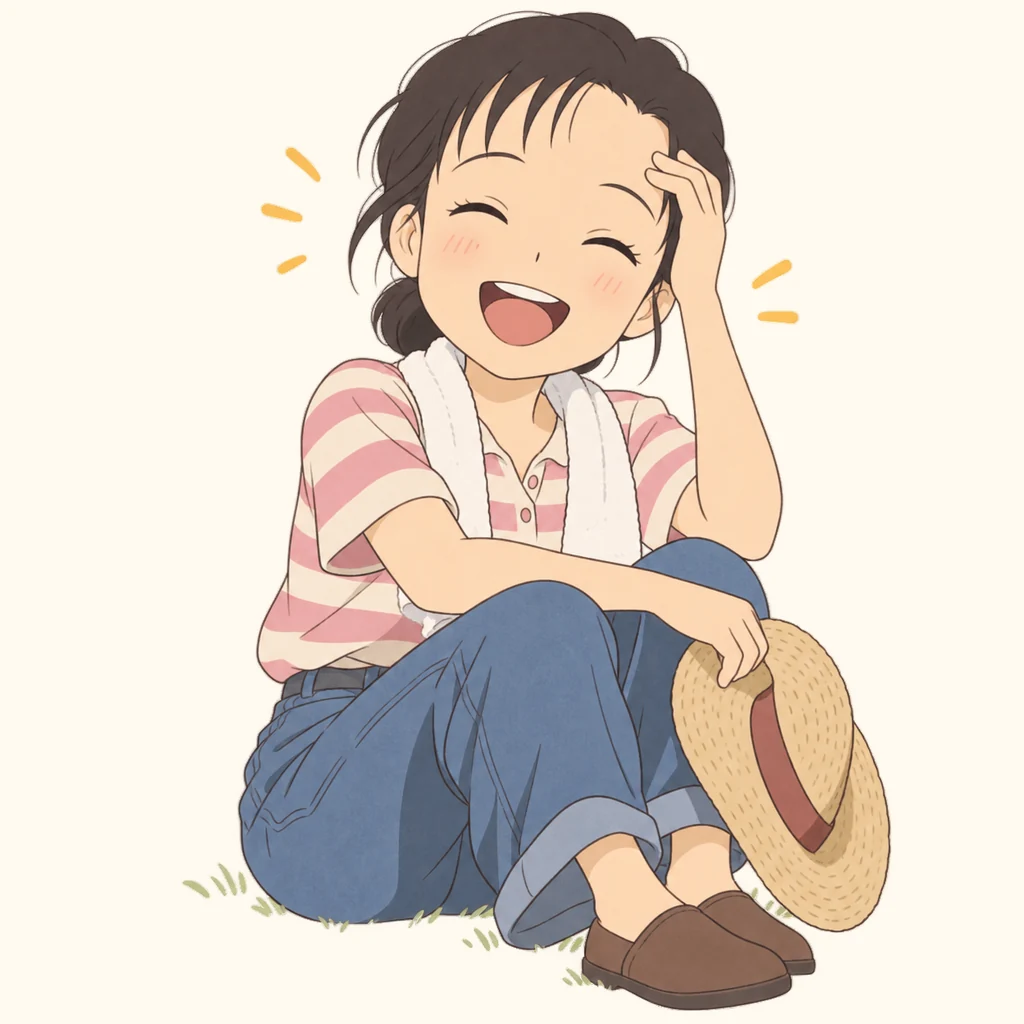
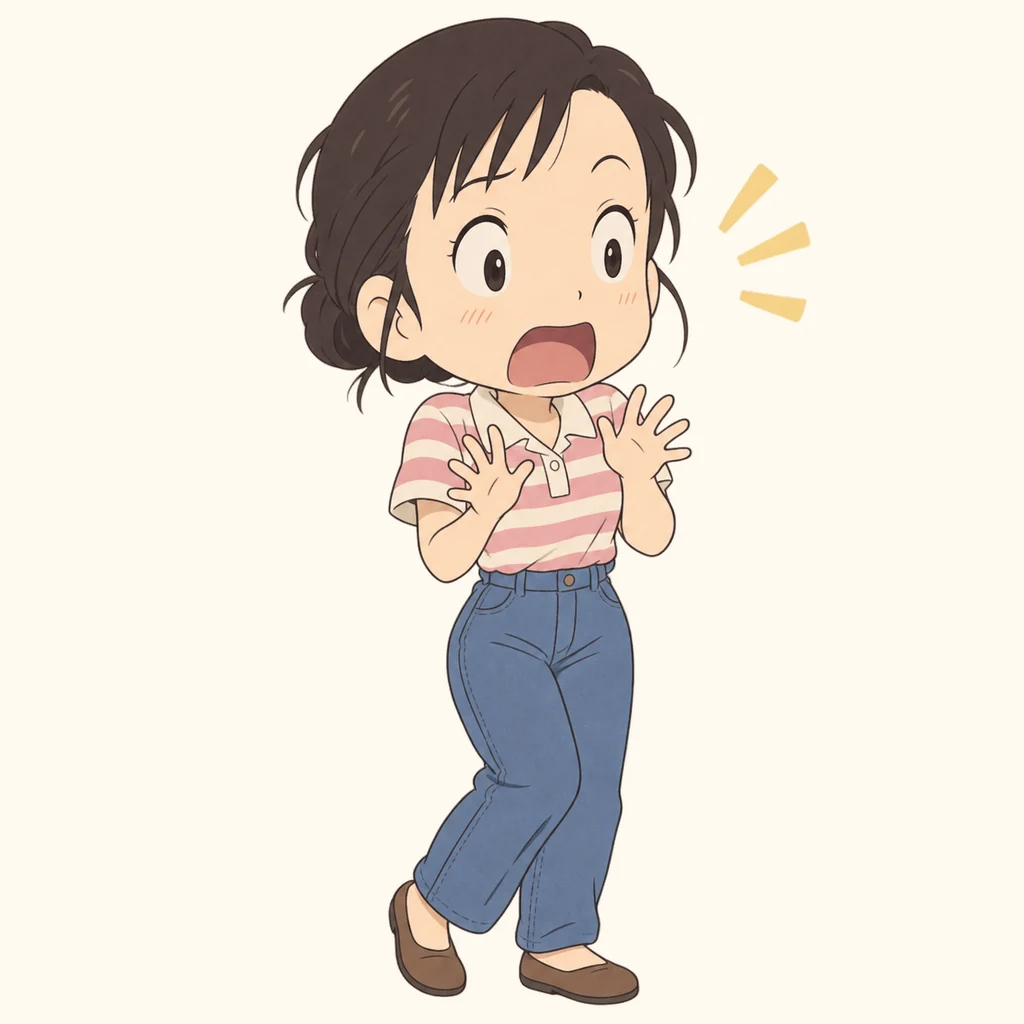
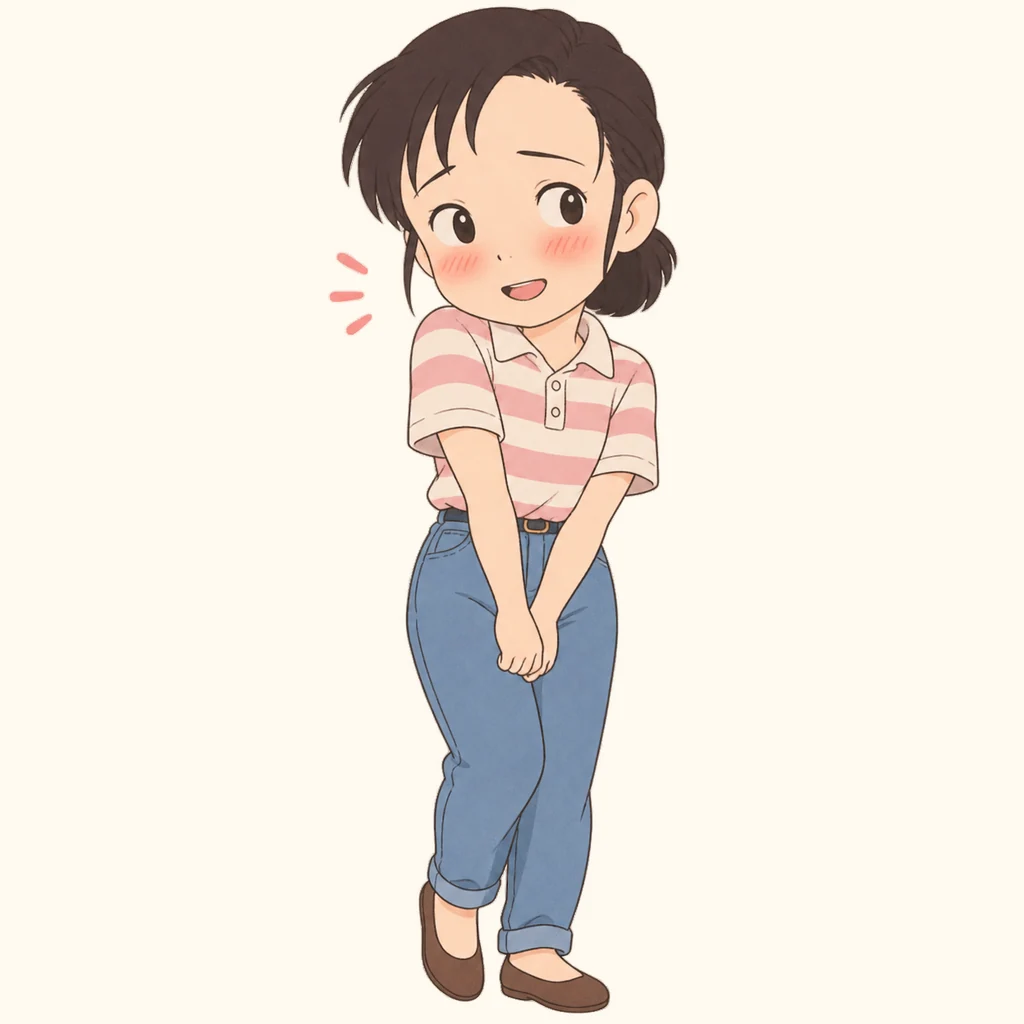
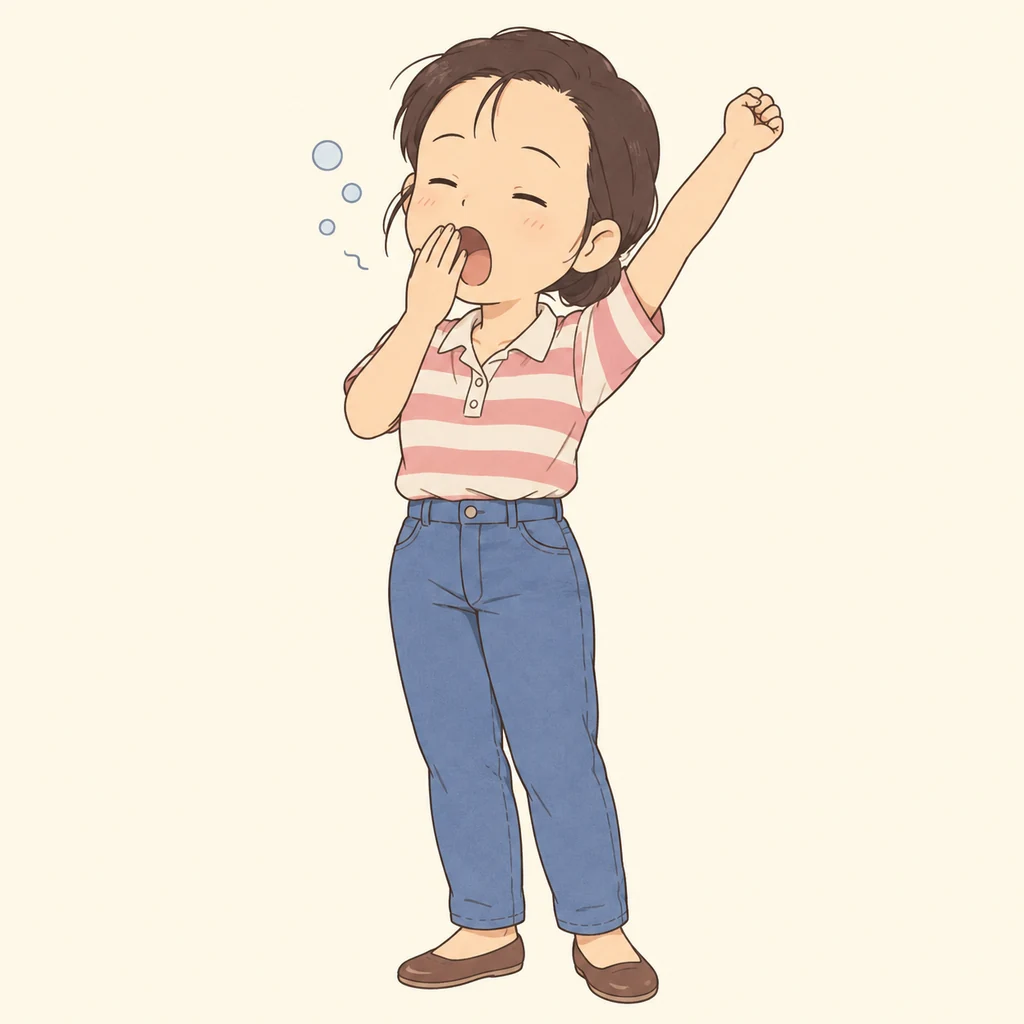
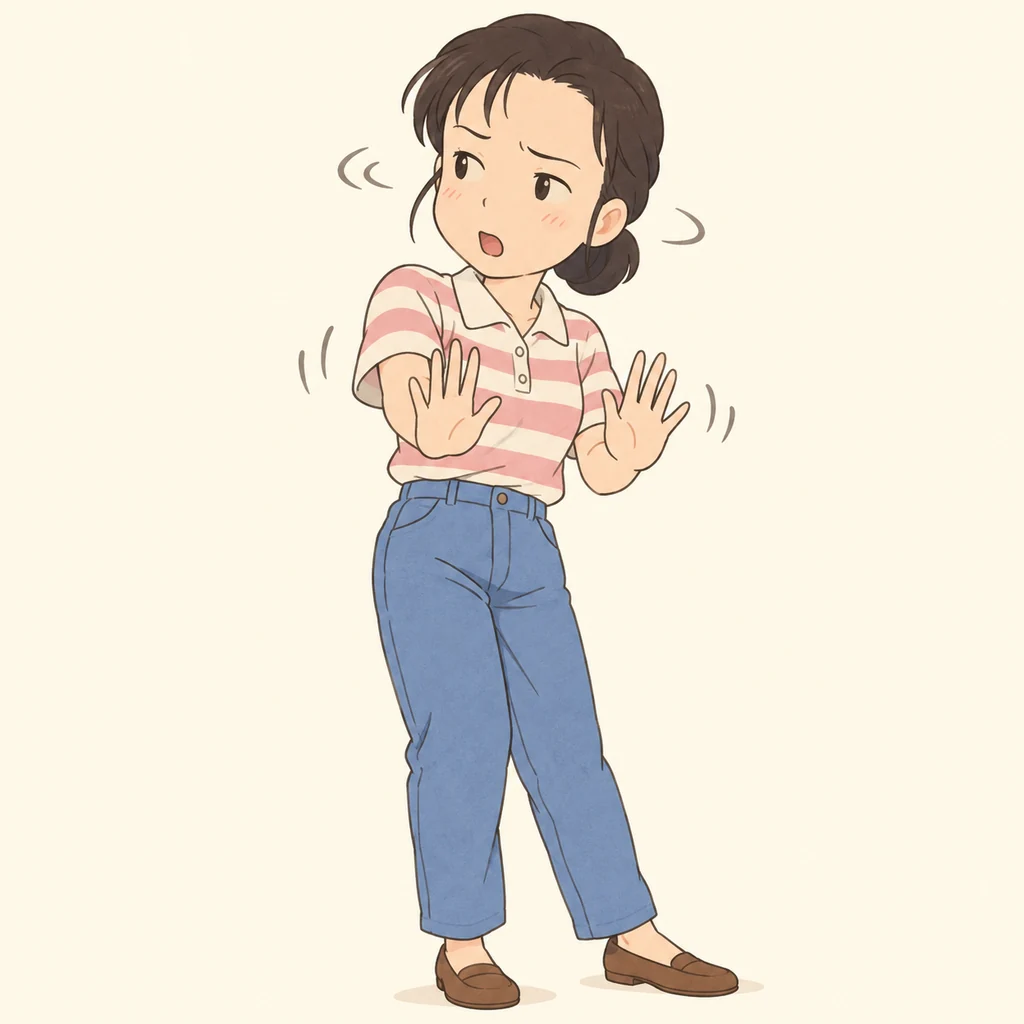
Taeko leads Isao Takahata’s 1991 film Only Yesterday. It interweaves a 27-year-old Tokyo office worker in 1982 with memories of her fifth-grade self in 1966. The source manga is by Hotaru Okamoto and Yuko Tone; the adult countryside journey is central to the film’s adaptation. This profile therefore uses the film’s year and adult design.
She remembers small embarrassments for years: confusion in class, hurt at home and unfinished goodbyes. She is neither a born romantic visitor to the countryside nor always able to name what she wants. Skilled at looking back, she learns not to let old judgments decide every future choice. Her uncertainty gives her self-discovery its texture.
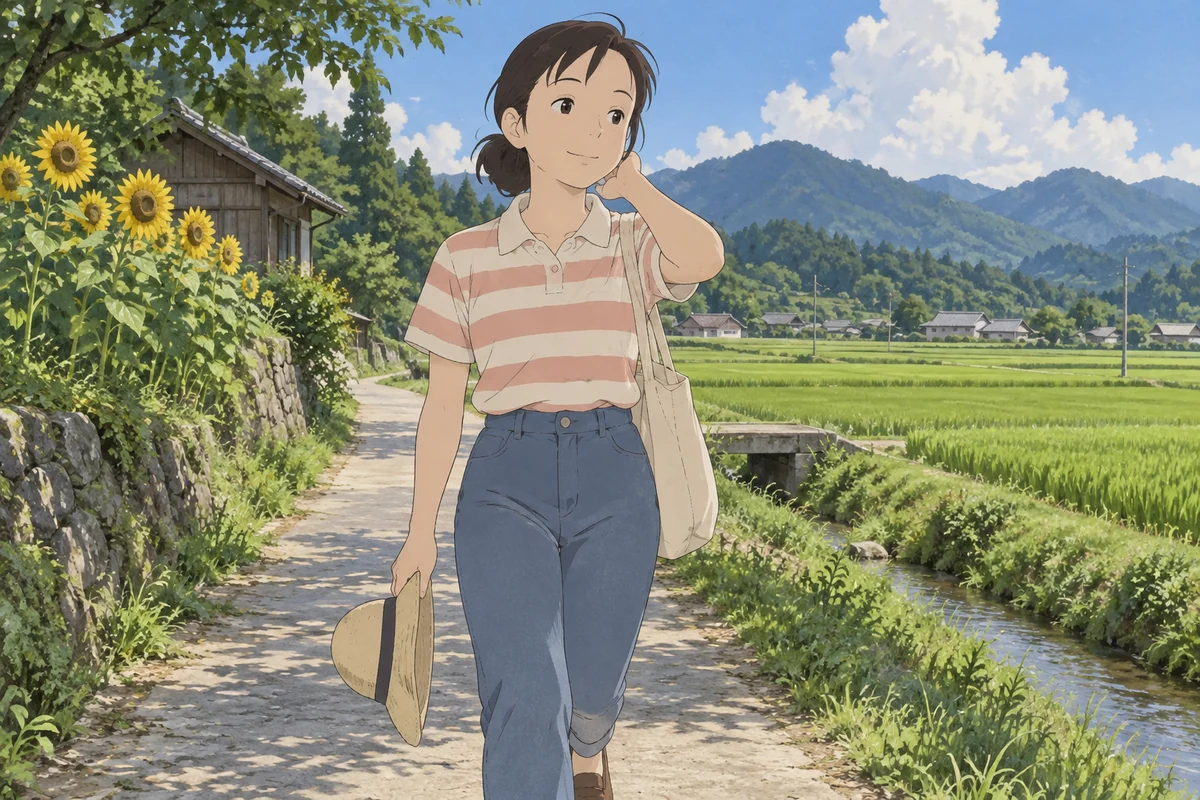
A safflower-harvest visit to Yamagata repeatedly brings her ten-year-old self along. Pineapple, fractions, first affection and an acting opportunity explain how everyday moments shaped her. The film asks more than whether city or countryside is better: work and relationships help her distinguish borrowed longing from a life she is prepared to choose.
Toshio is a young farmer in the extended in-law family whom she comes to know through conversation, not a childhood sweetheart. Her sisters and parents bring both care and pressure through family life and memory. Adult and childhood Taeko appearing together is a narrative device, not literal time travel or two separate people.
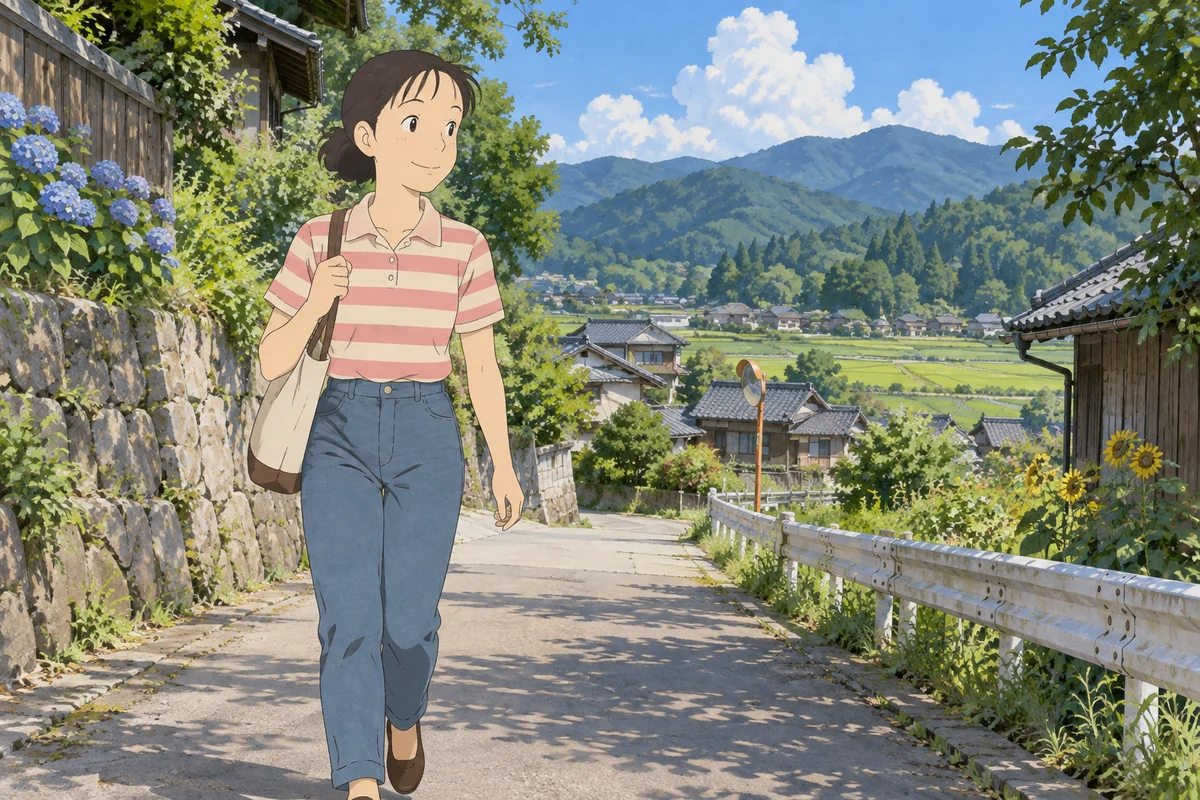
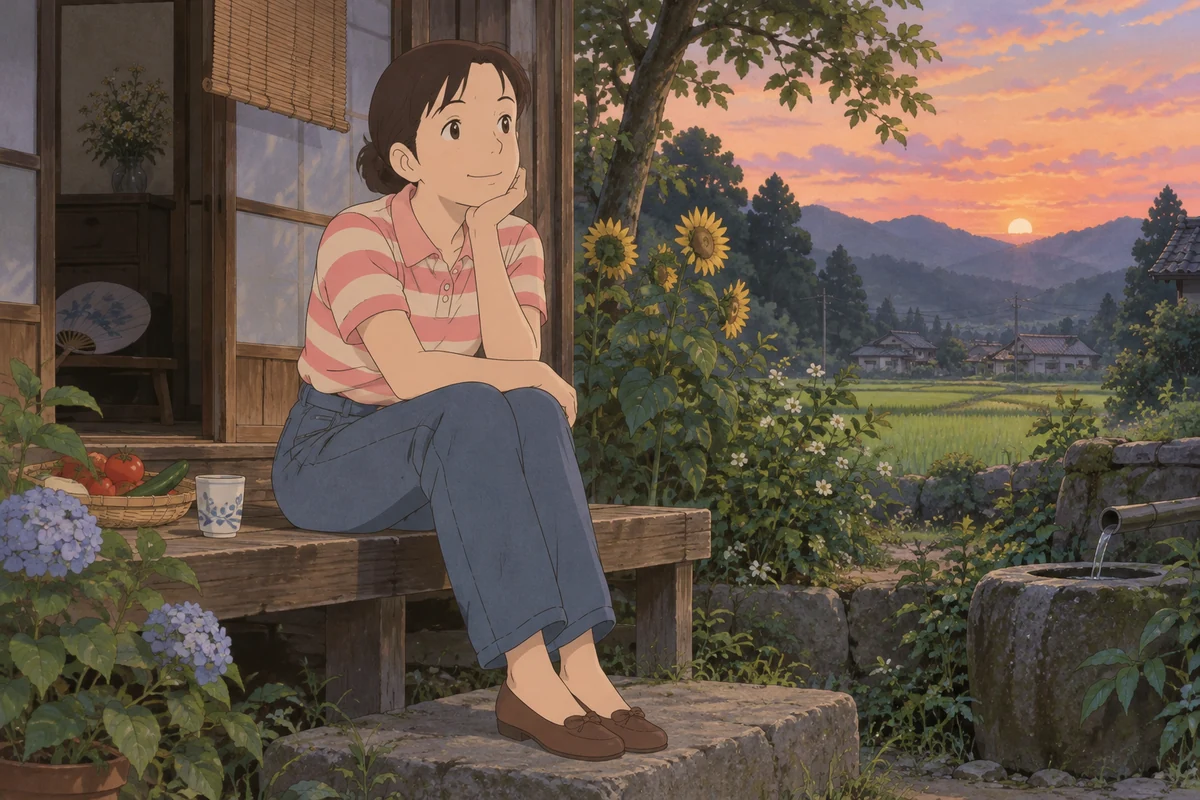
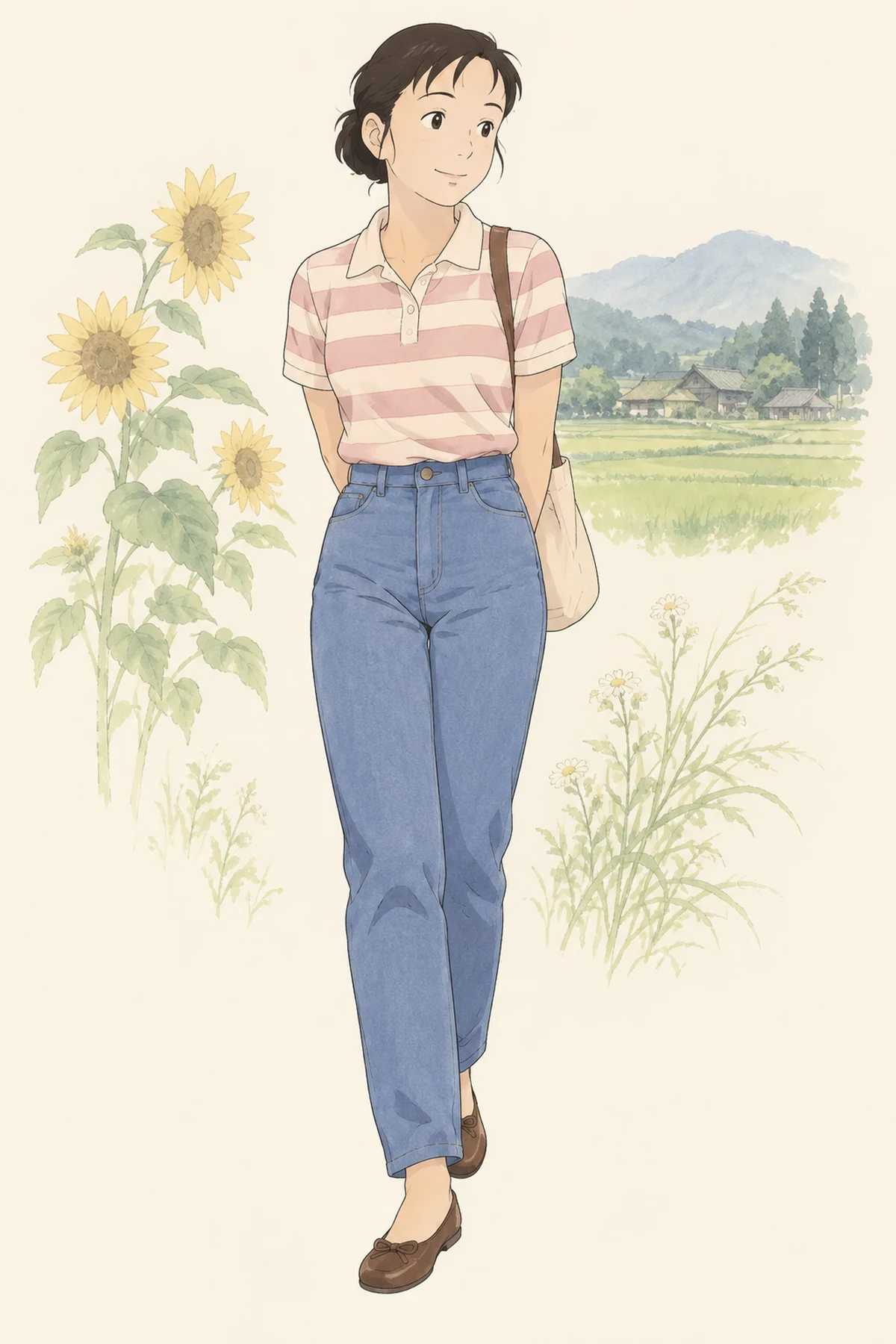
This gallery chooses 27-year-old Taeko: dark hair gathered at the nape, a simple striped top and jeans, with expression more important than exaggerated eyes. Spare childhood memories contrast with the detailed work and landscapes of adult scenes. Photographic avatars and figures are fan interpretations, not voice-actor photographs or official merchandise.
Her growth has no power-up or world-saving assignment. A conversation can reinterpret an old embarrassment; turning back can change an adult decision. Reading the ending as finally hearing her own voice preserves more openness than reducing it to marrying into the countryside. That is an interpretation rather than a prescribed conclusion.