 NO.039ANIME
OOTDMai Sakurajima
NO.039ANIMEANIME OOTD / CHARACTER ARCHIVE
Mai Sakurajima
Rascal Does Not Dream / 2014
Restrained and self-respecting, she teases people close to her. Beneath a mature exterior are insecurity and a need to be understood; composure does not mean invulnerability.
Restrained and self-respecting, she teases people close to her. Beneath a mature exterior are insecurity and a need to be understood; composure does not mean invulnerability.
Read the character guide →Restrained and self-respecting, she teases people close to her. Beneath a mature exterior are insecurity and a need to be understood; composure does not mean invulnerability.
01Meeting Sakuta makes her situation visible and prompts choices in work and relationships. Later arcs address others’ problems; Mai’s actions include her own life and support for companions.
02Sakuta Azusagawa is a central bond, and Nodoka Toyohama her younger sister. Public image, family and private emotion do not always align, showing the difference between being seen and understood.
03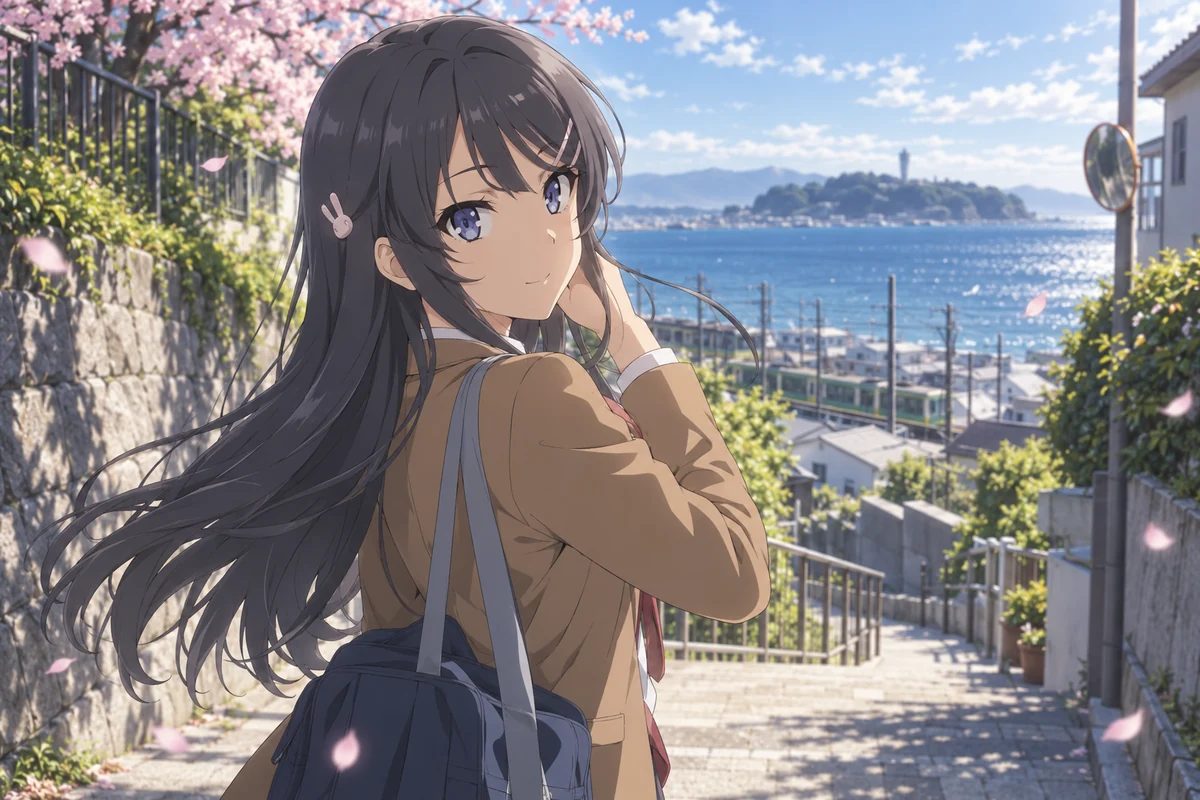
Mai debuted in the first volume of Hajime Kamoshida’s light-novel series in 2014. An actress, she is affected by supernatural events framed as Adolescence Syndrome, a fictional concept rather than a real medical diagnosis.
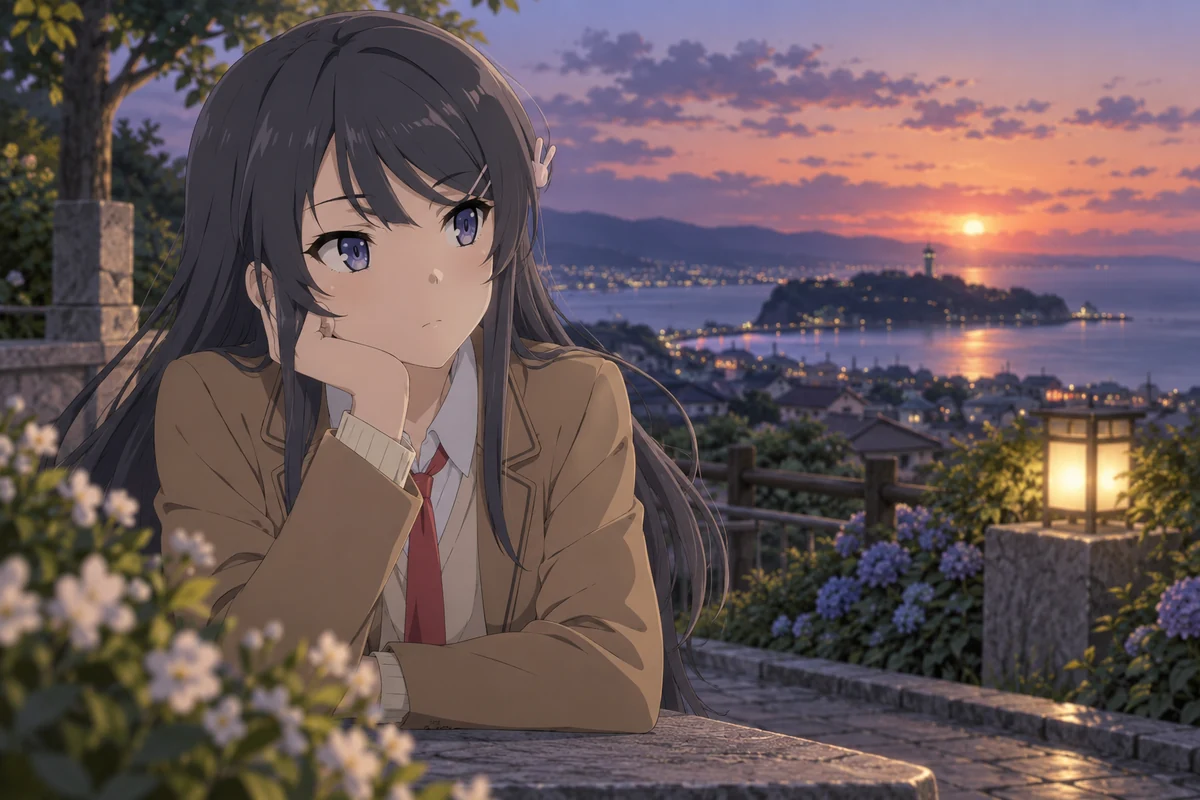
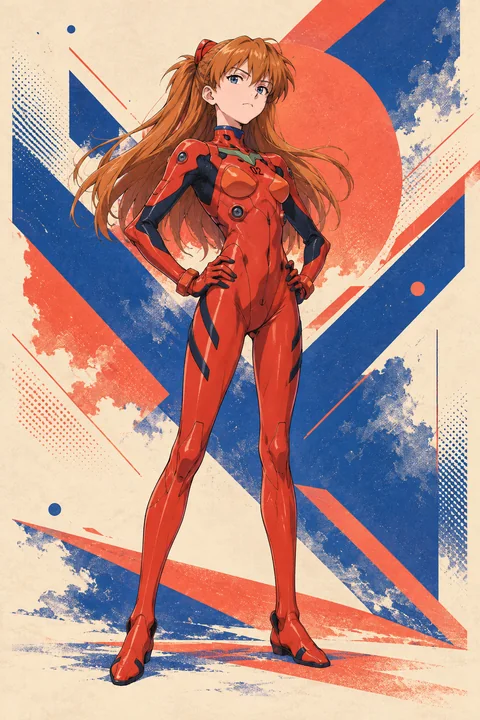
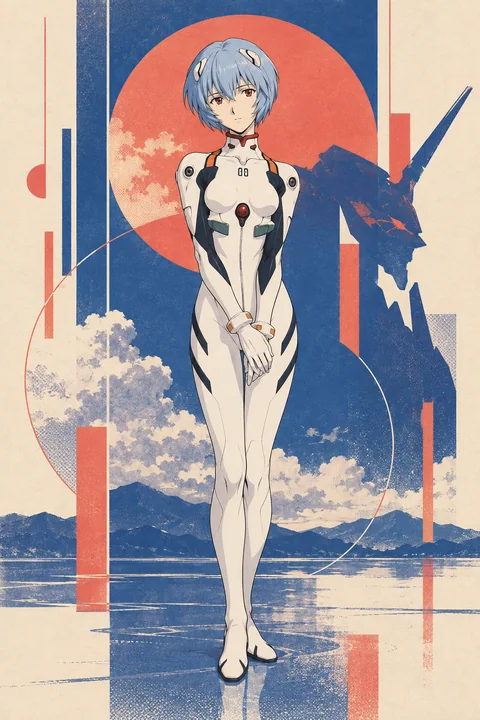
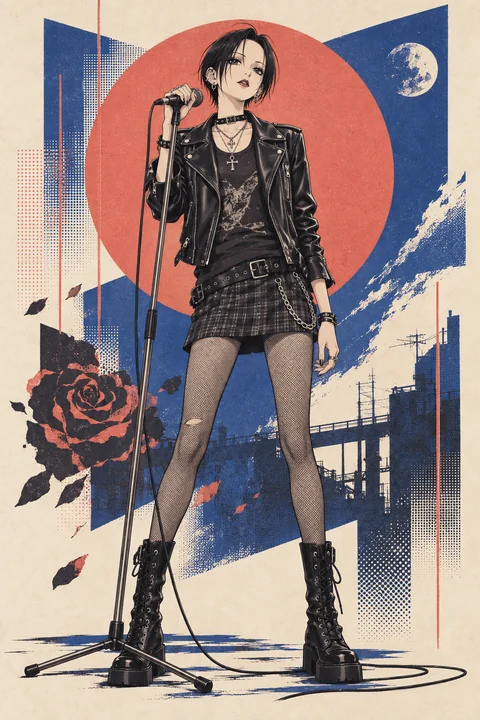
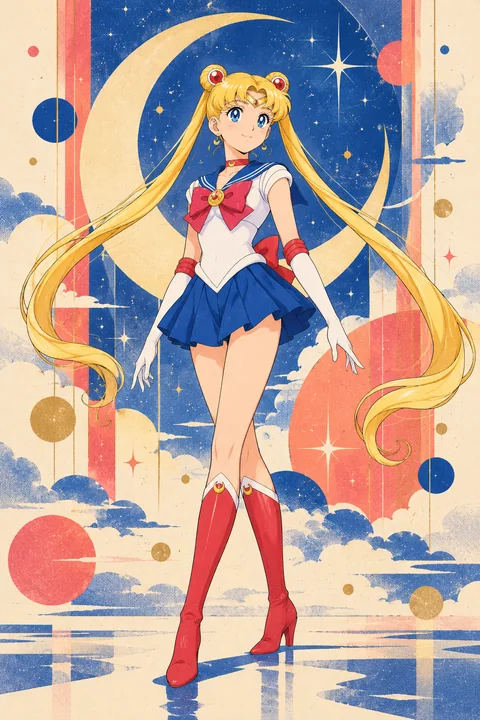
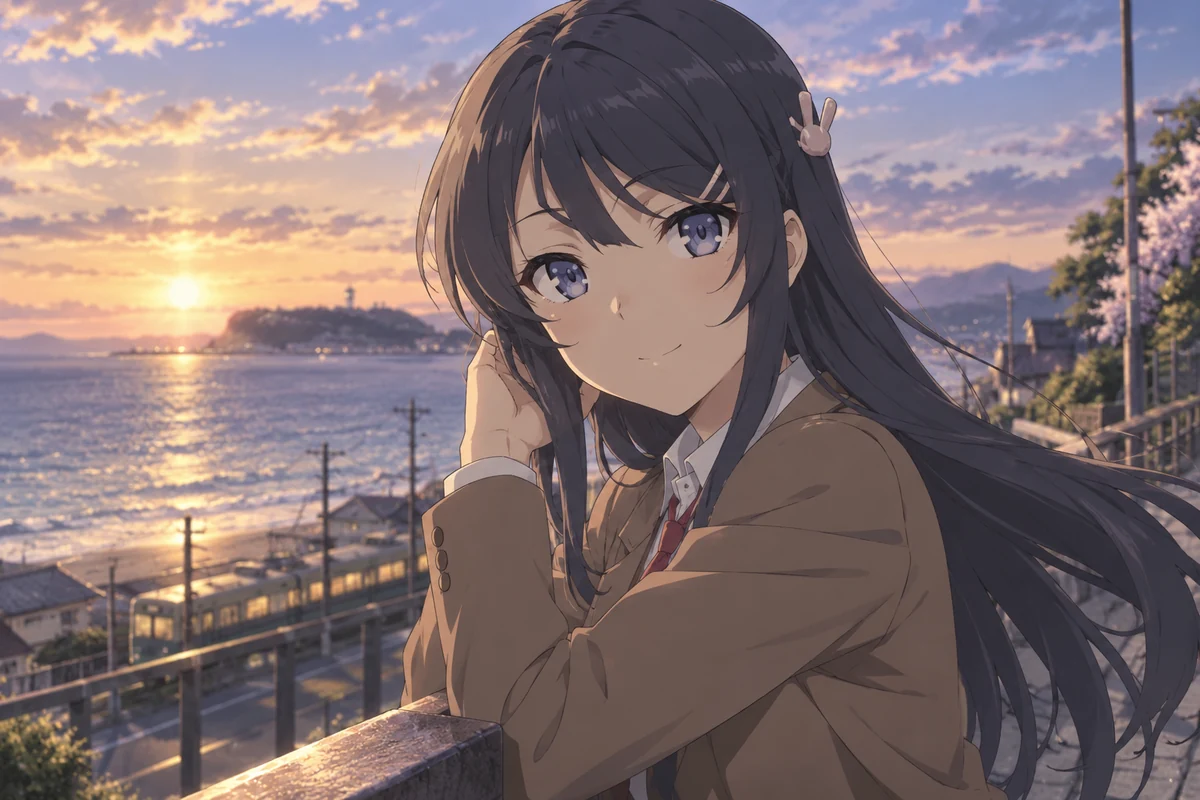
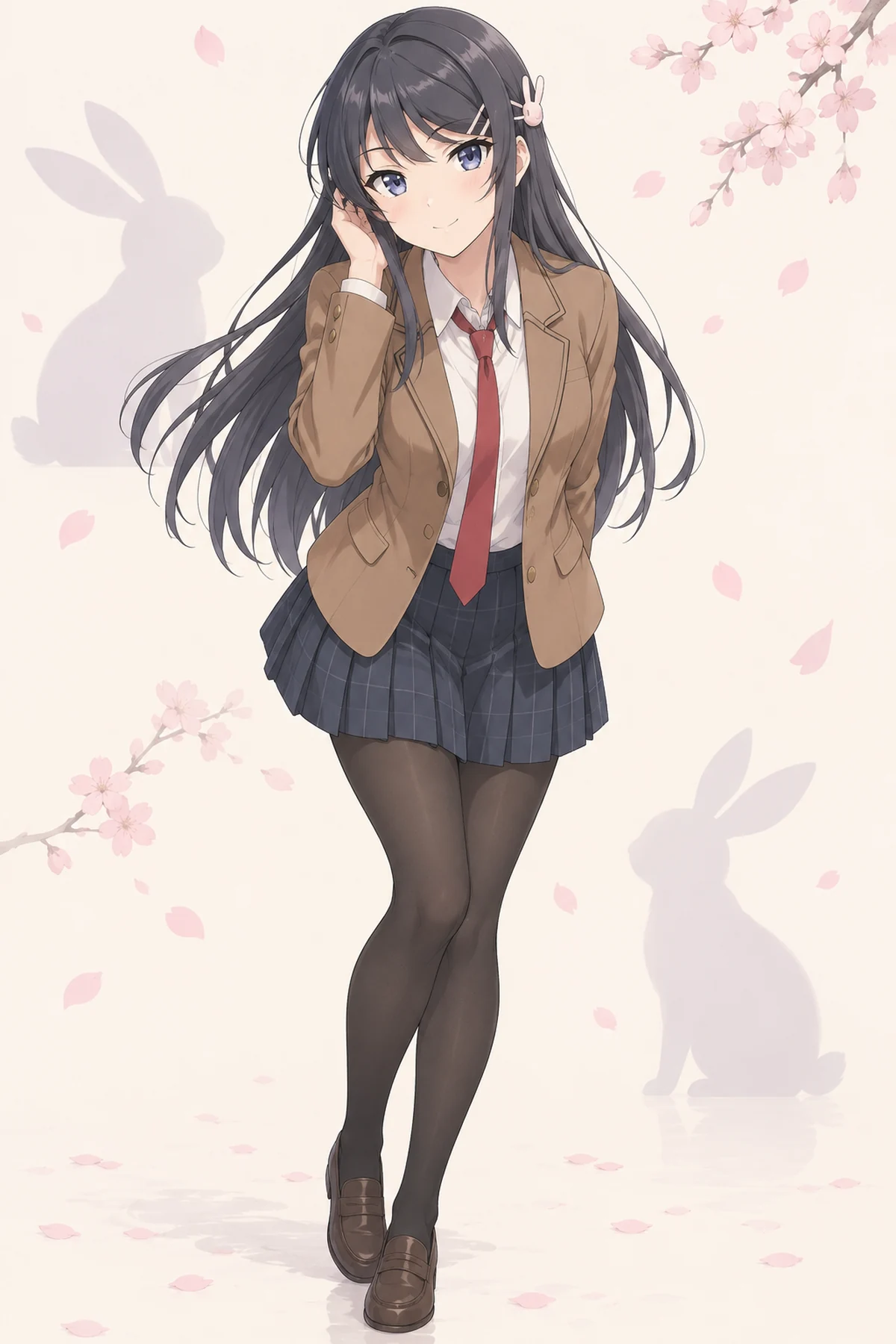
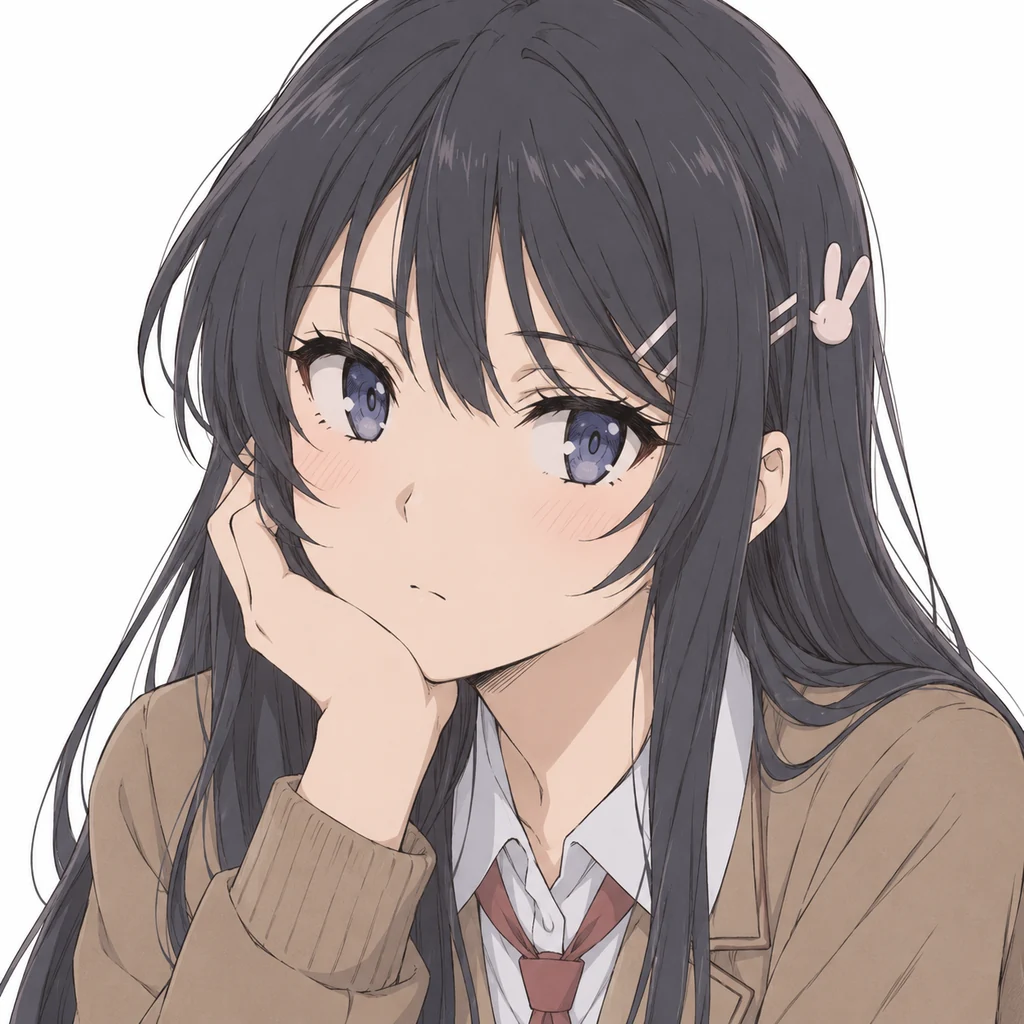
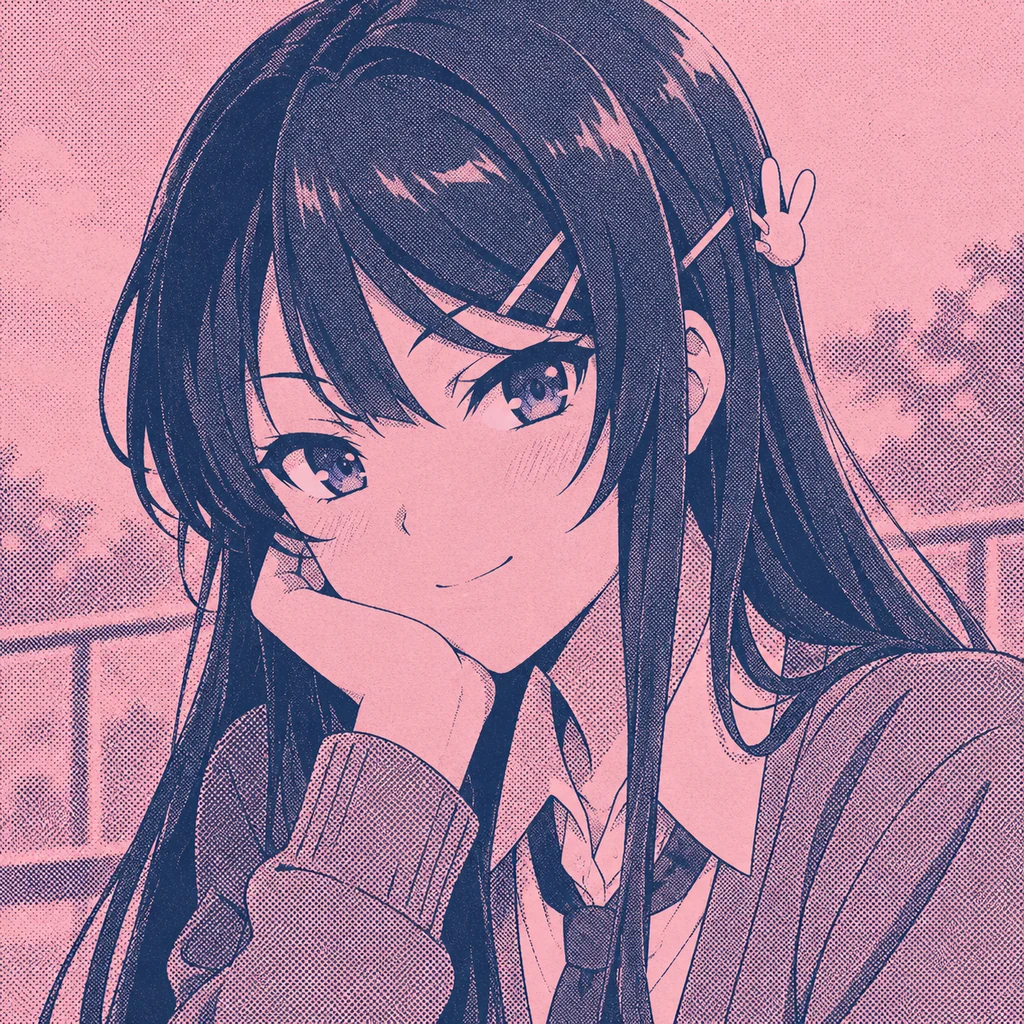
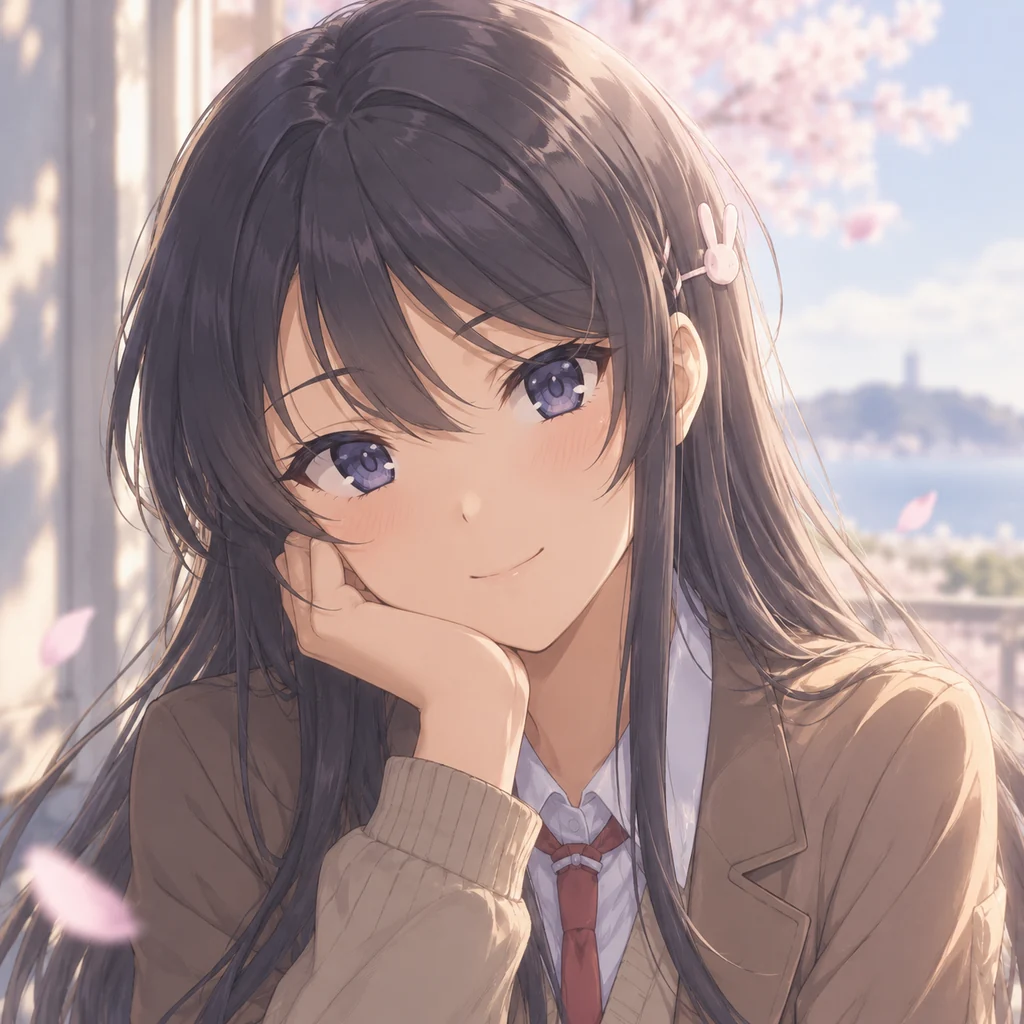
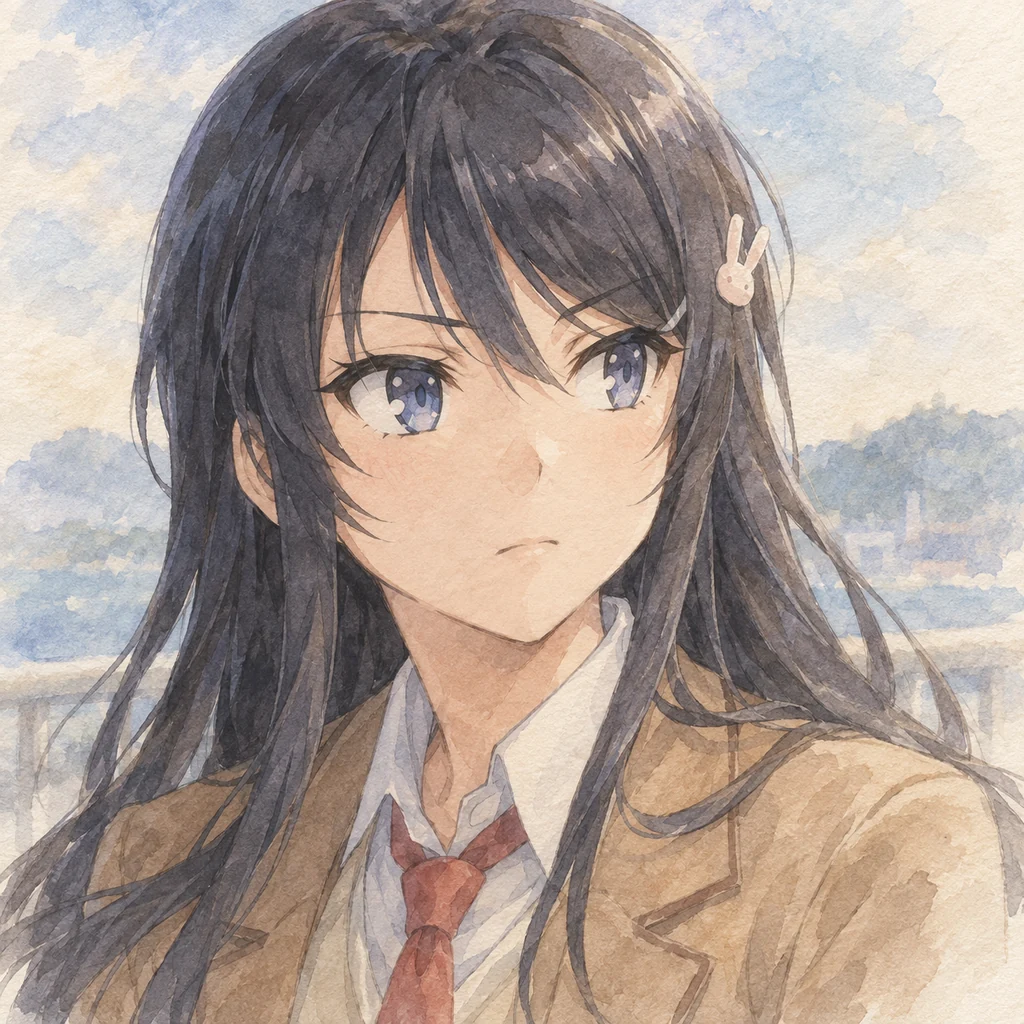
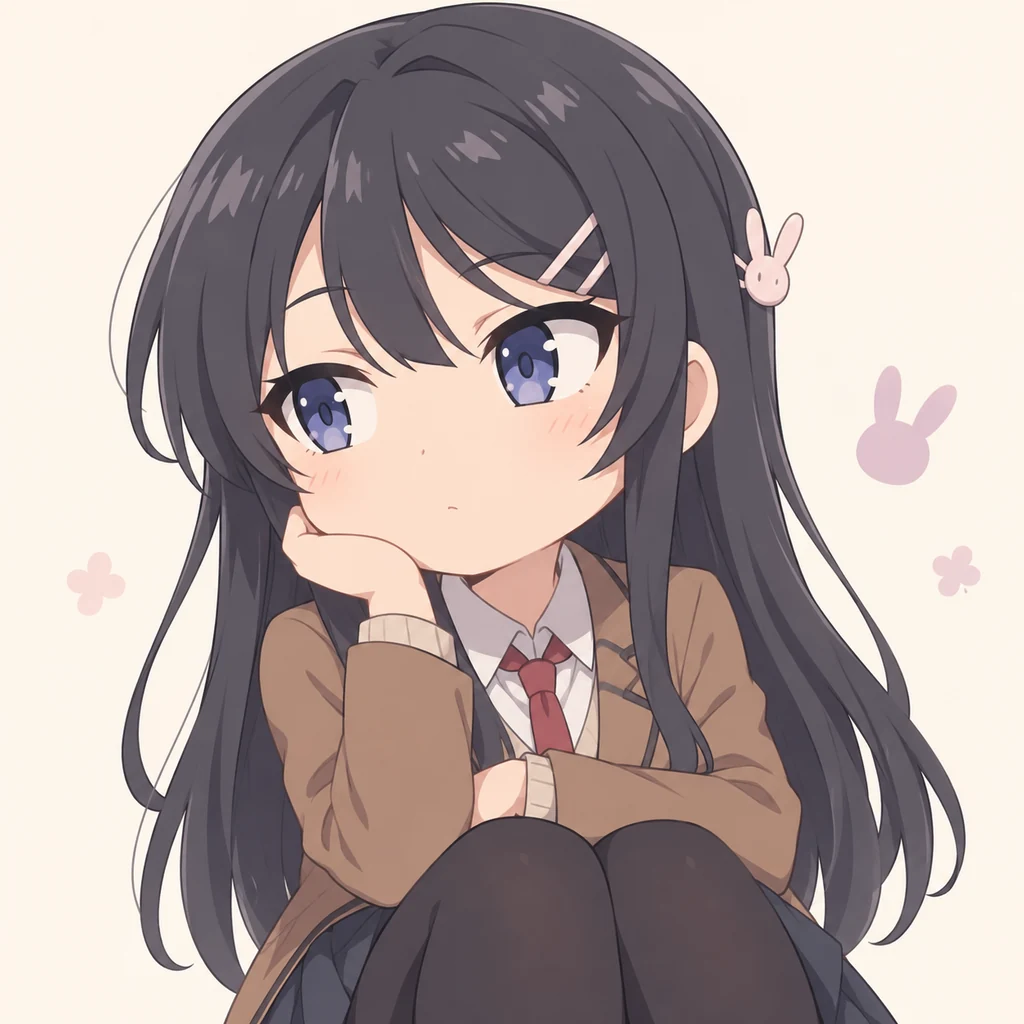
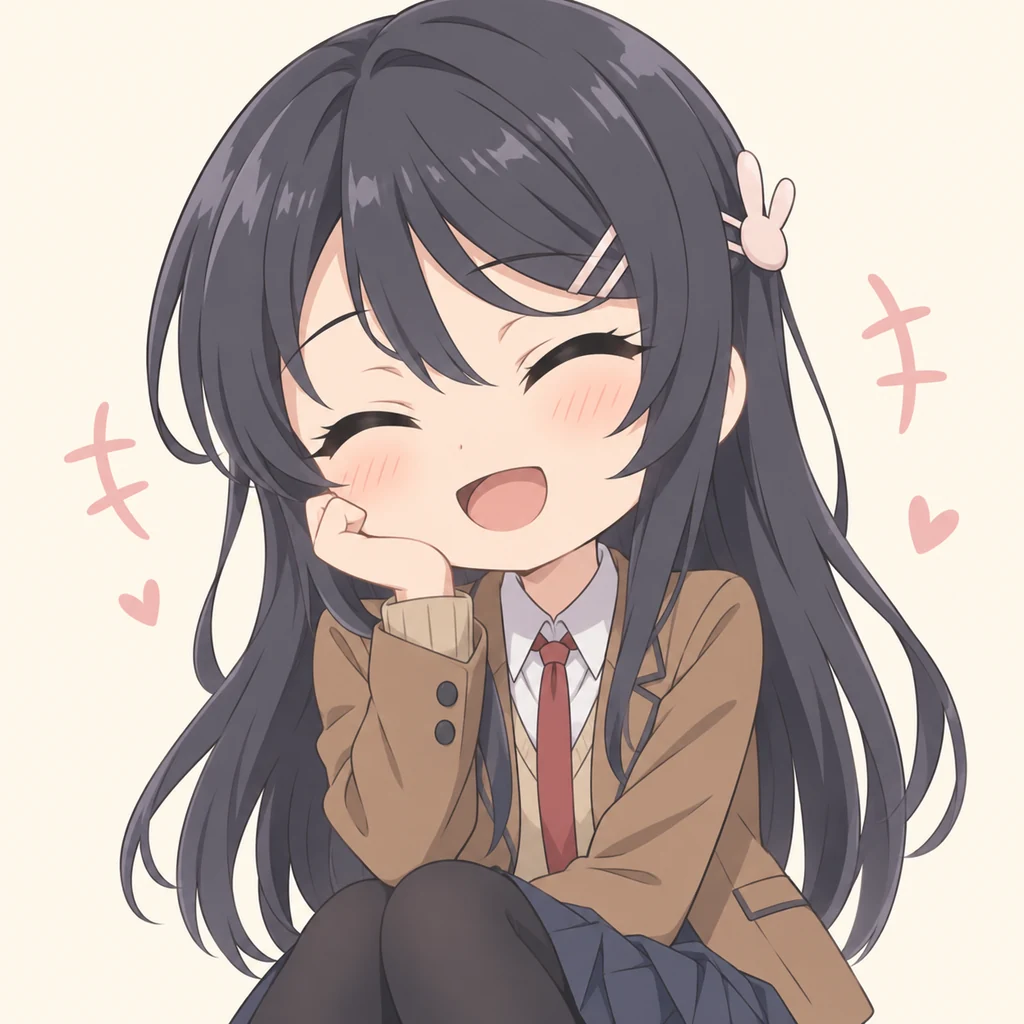
These images use long hair, an ornament and modest uniform or cardigan. The bunny-girl motif belongs to a particular plot context and need not define every image. Her first appearance is in the novel, distinct from manga and anime adaptations.
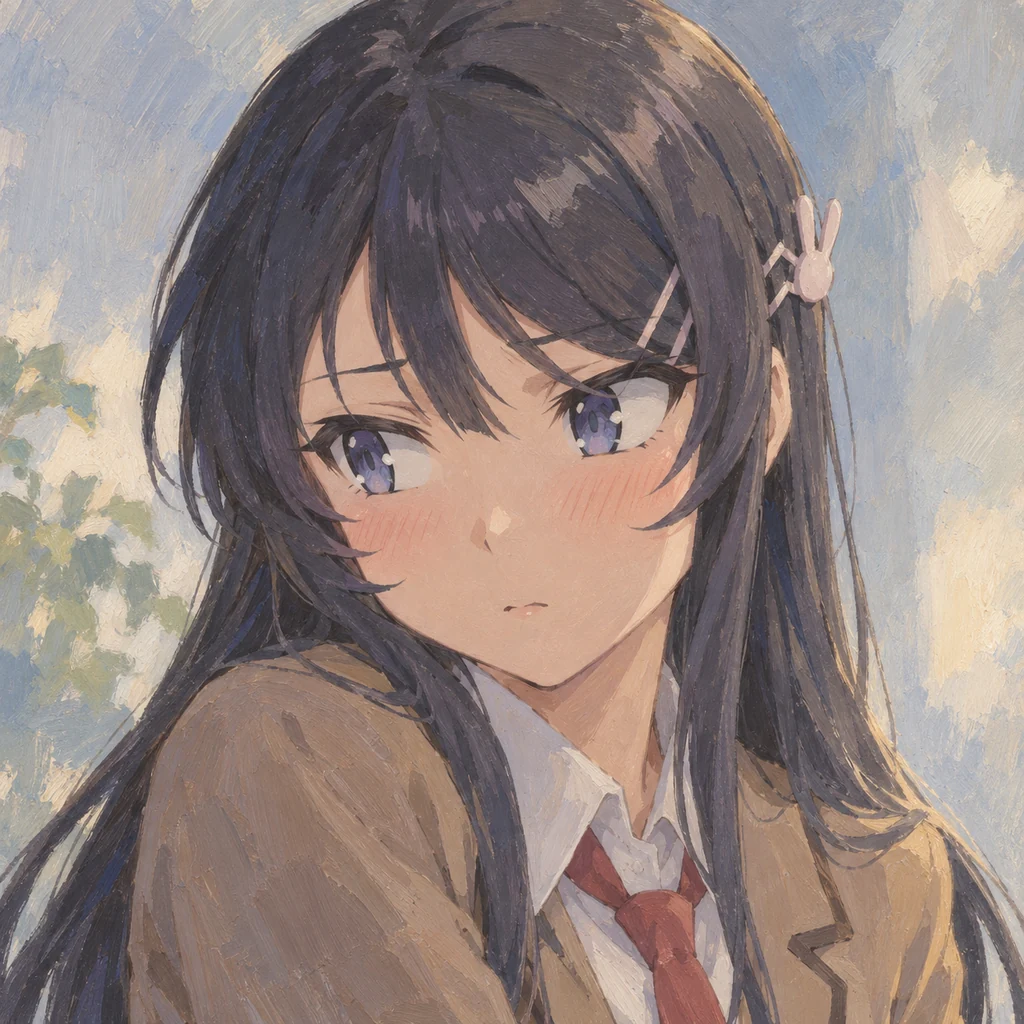
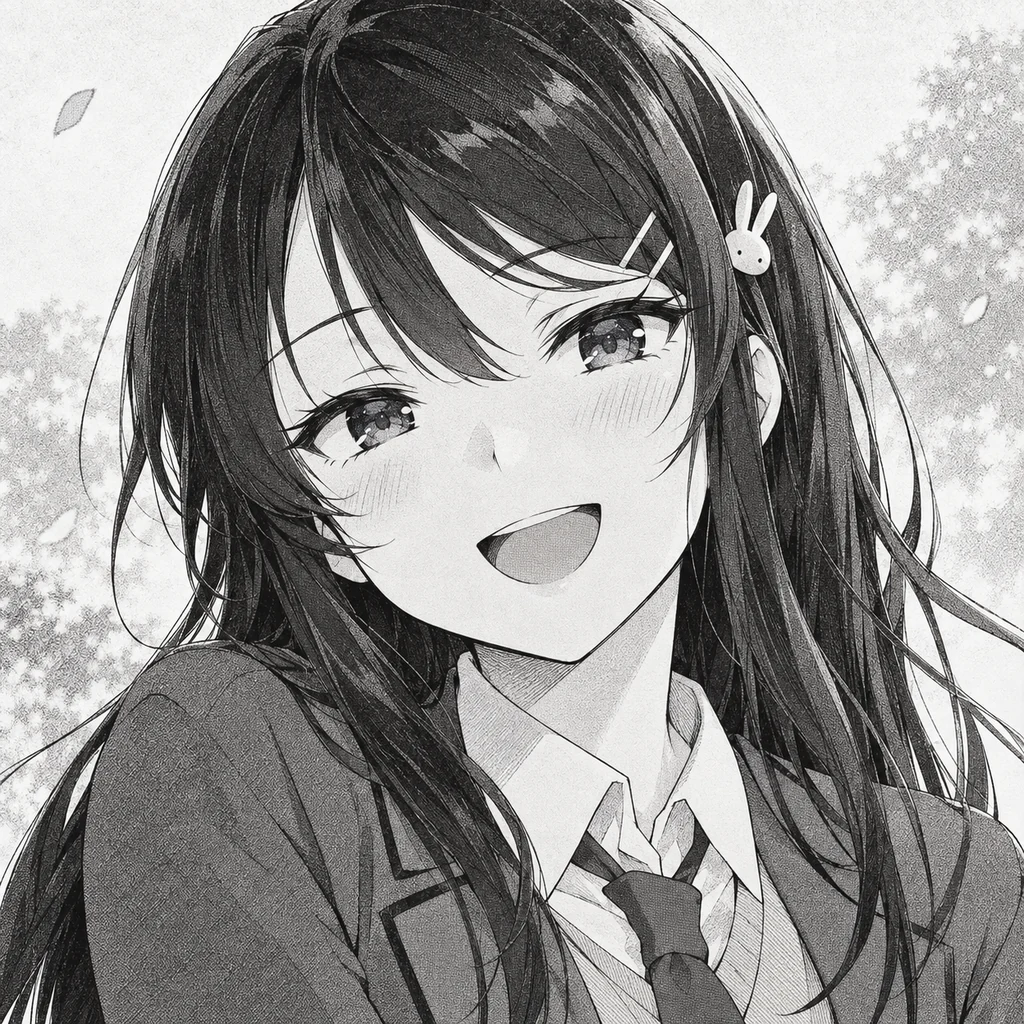
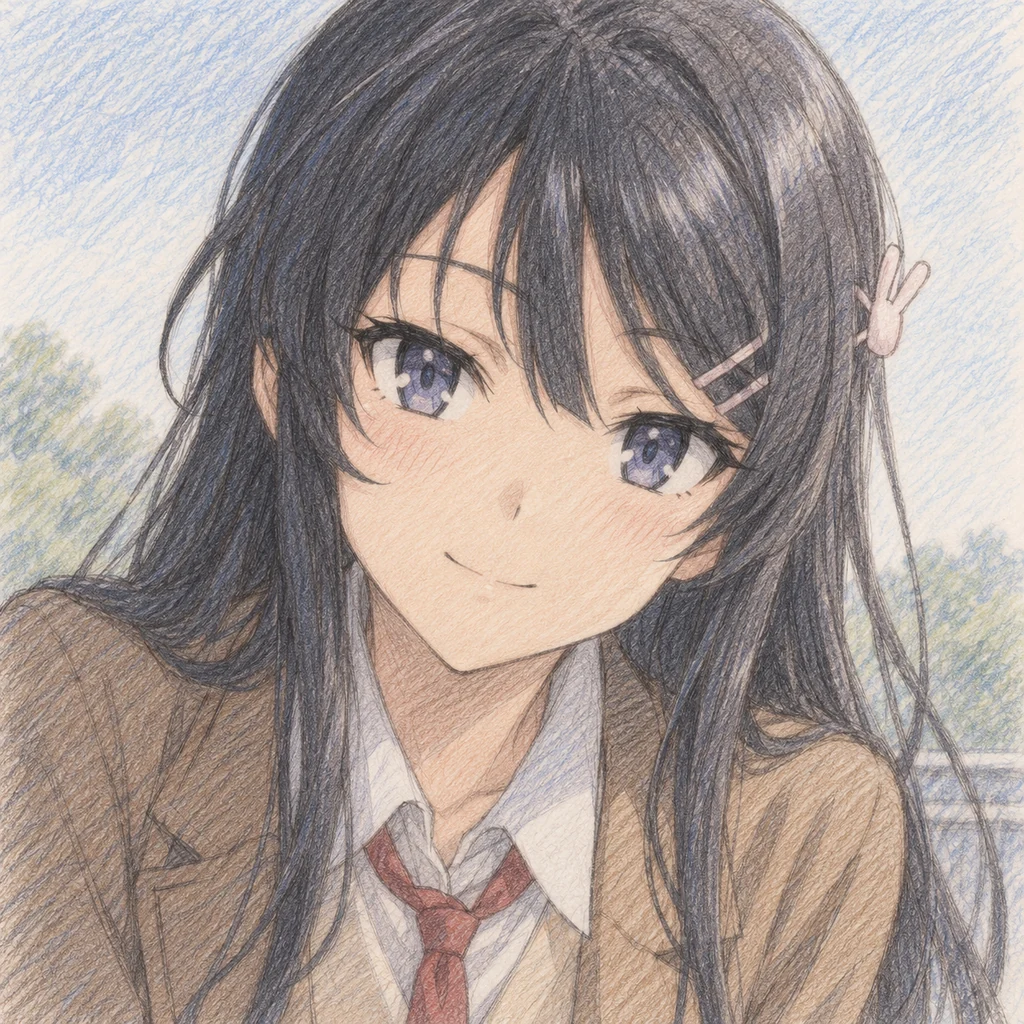
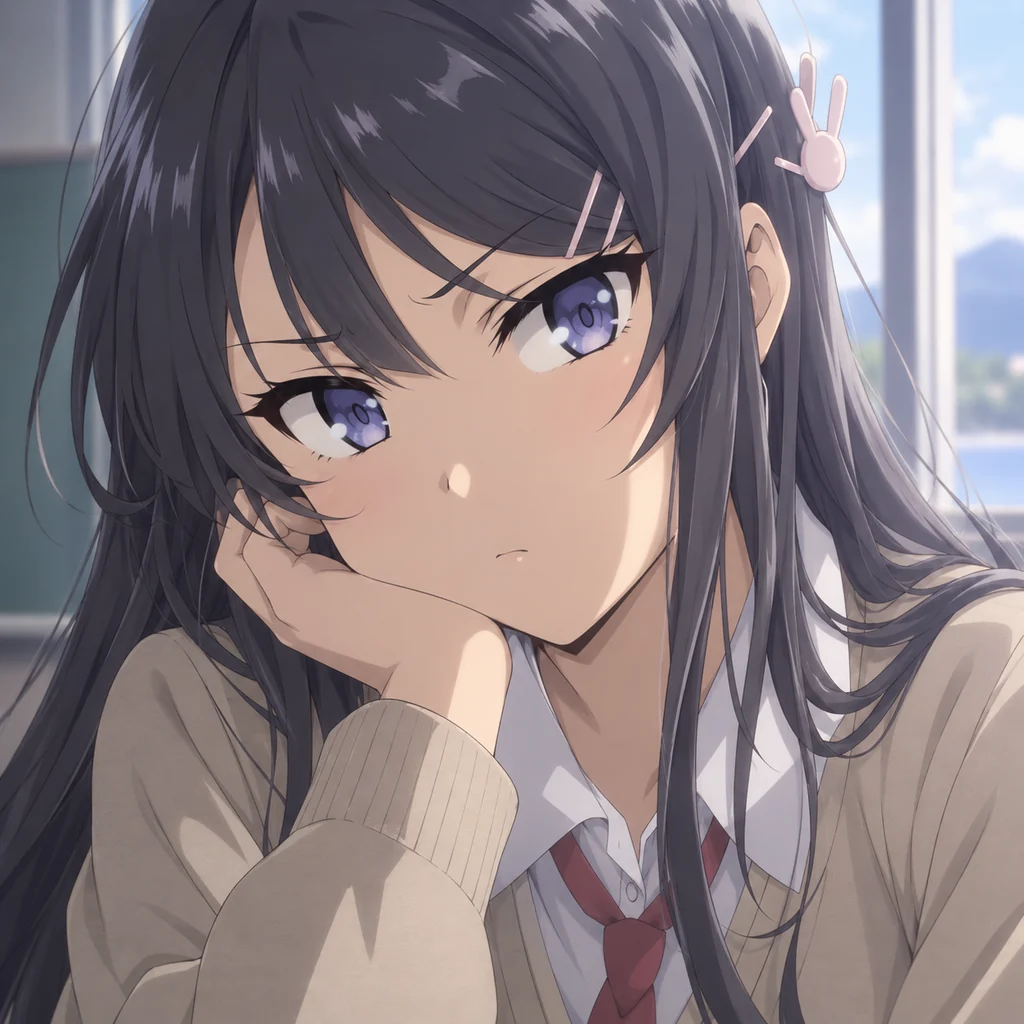
AI-assisted illustrations · Not official anime stills

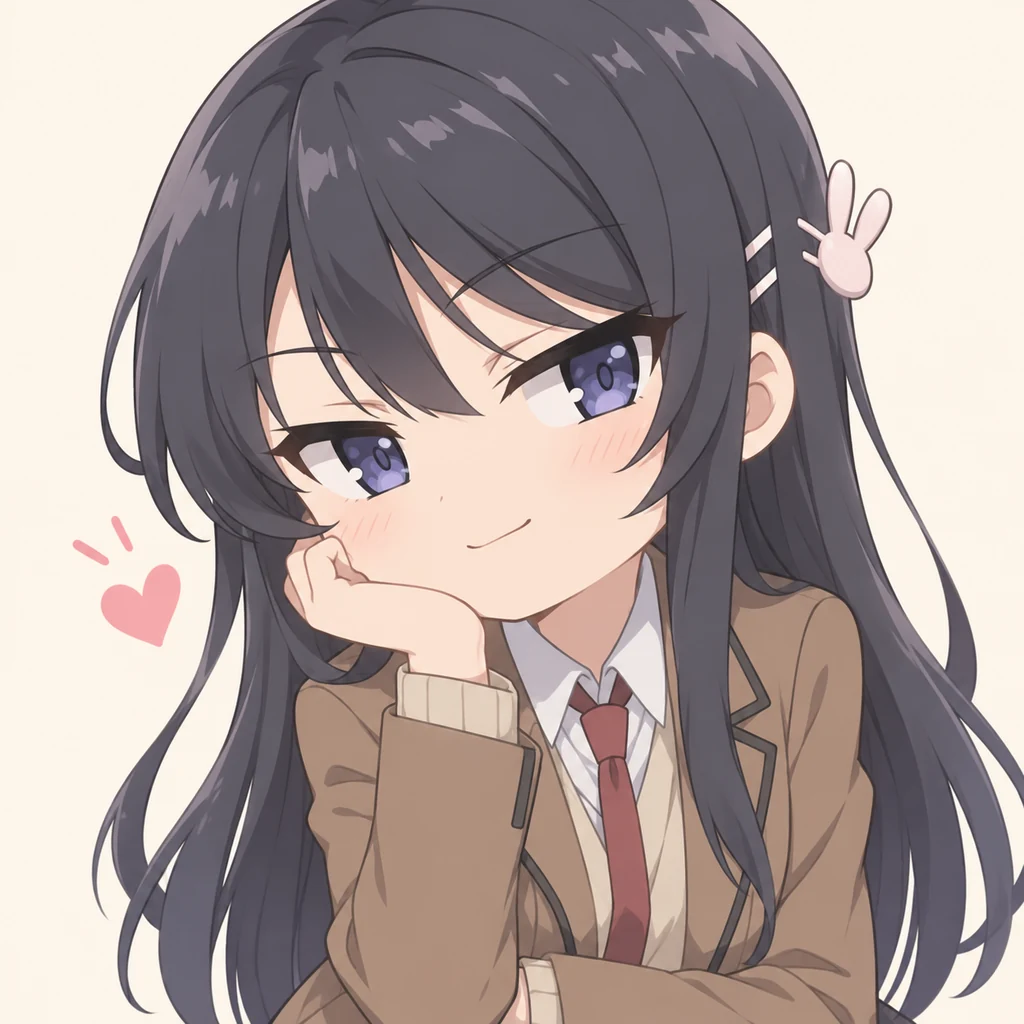
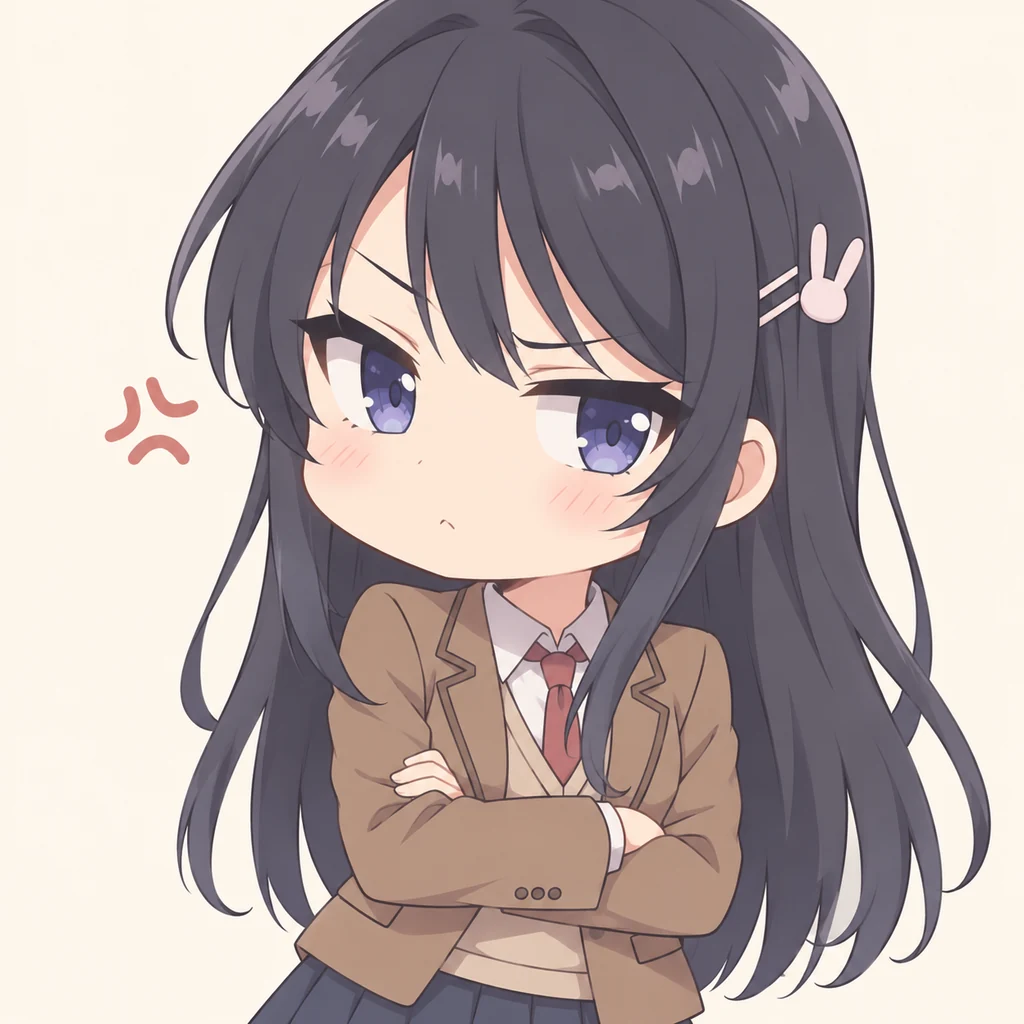
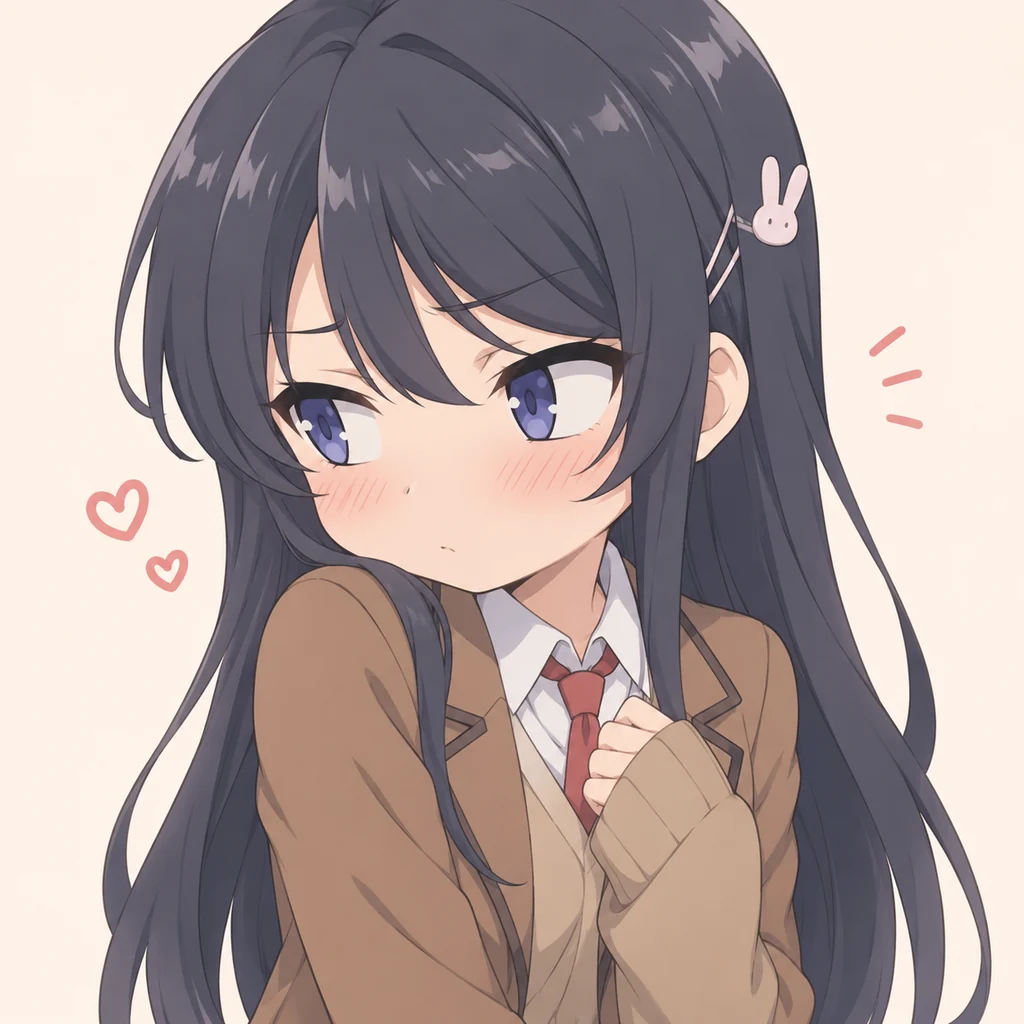


Mai debuted in the first volume of Hajime Kamoshida’s light-novel series in 2014. An actress, she is affected by supernatural events framed as Adolescence Syndrome, a fictional concept rather than a real medical diagnosis.
Restrained and self-respecting, she teases people close to her. Beneath a mature exterior are insecurity and a need to be understood; composure does not mean invulnerability.
Meeting Sakuta makes her situation visible and prompts choices in work and relationships. Later arcs address others’ problems; Mai’s actions include her own life and support for companions.
Sakuta Azusagawa is a central bond, and Nodoka Toyohama her younger sister. Public image, family and private emotion do not always align, showing the difference between being seen and understood.
These images use long hair, an ornament and modest uniform or cardigan. The bunny-girl motif belongs to a particular plot context and need not define every image. Her first appearance is in the novel, distinct from manga and anime adaptations.
Fan interpretation: is Mai’s theme being seen or being understood? An actress can receive attention without genuine understanding. The gap is worth discussing, but fictional supernatural events should not be treated as real psychological mechanisms.