 NO.734ANIME
OOTDSuito Kusanagi
NO.734ANIMEANIME OOTD / CHARACTER ARCHIVE
Suito Kusanagi
The Sky Crawlers ↗ / 2008
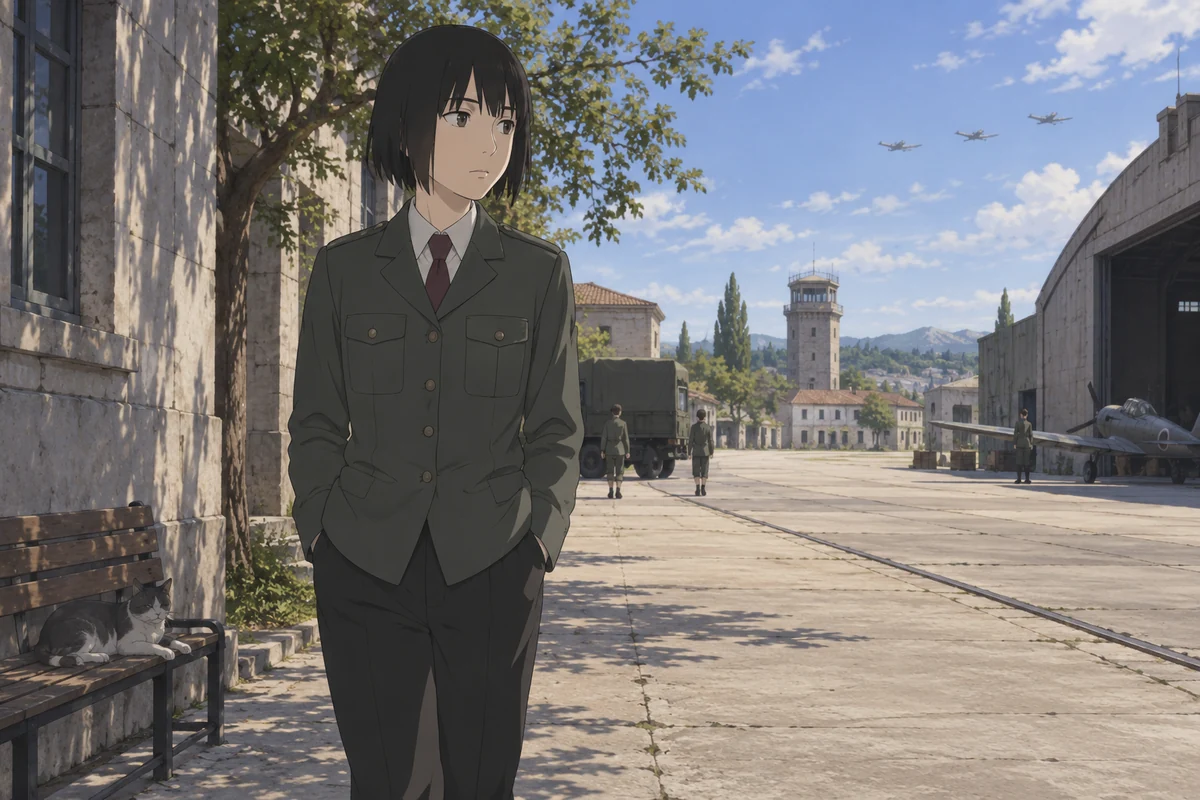
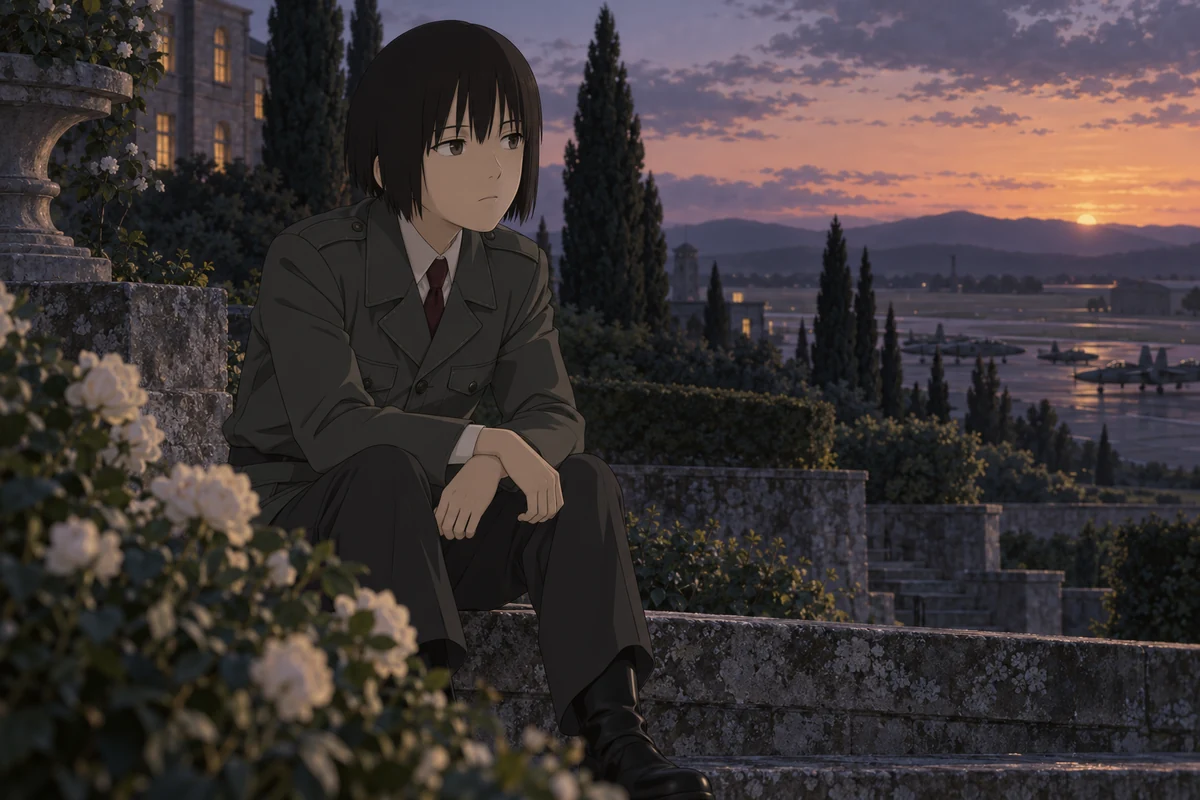
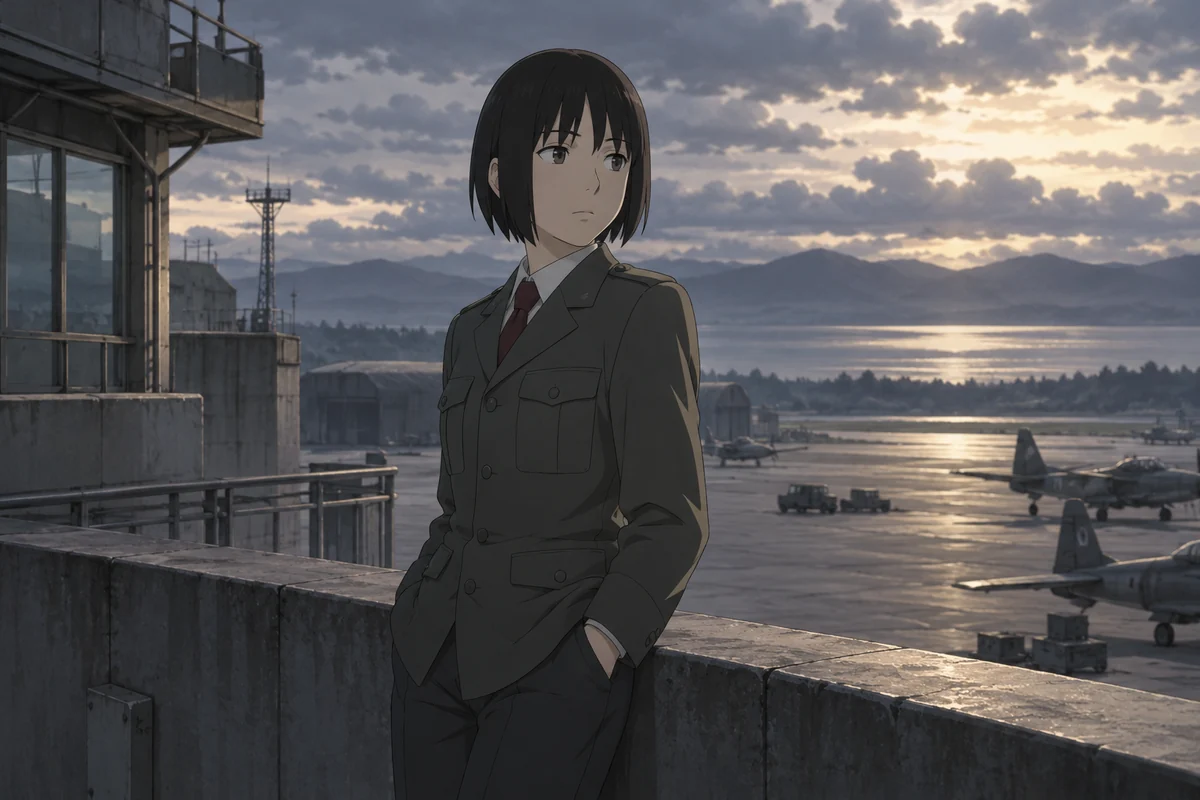
Missions repeat at the base, yet Suito still waits for an encounter that could be different. Her composure is as neat as her uniform; fatigue lives in what remains unsaid.
Kildren airbase commander
My figure room →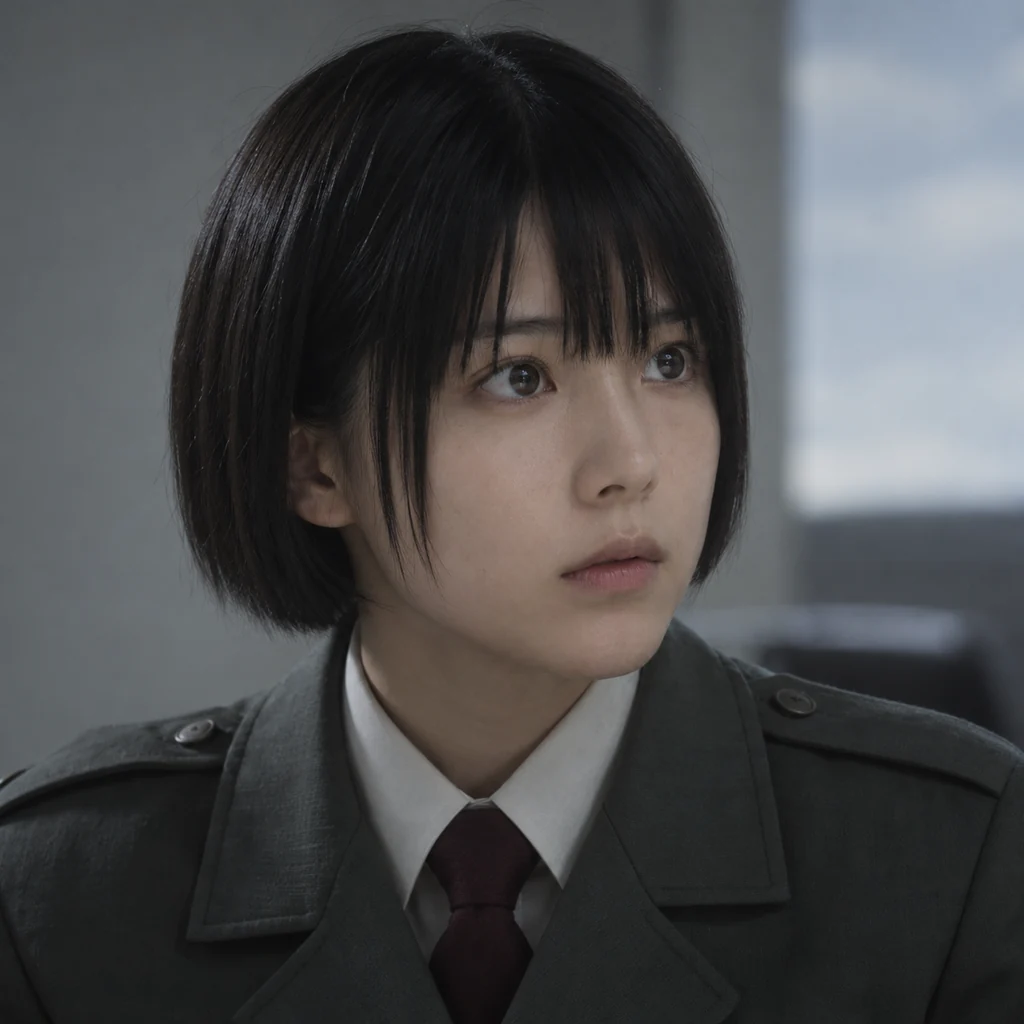



AI-assisted illustrations · Not official anime stills

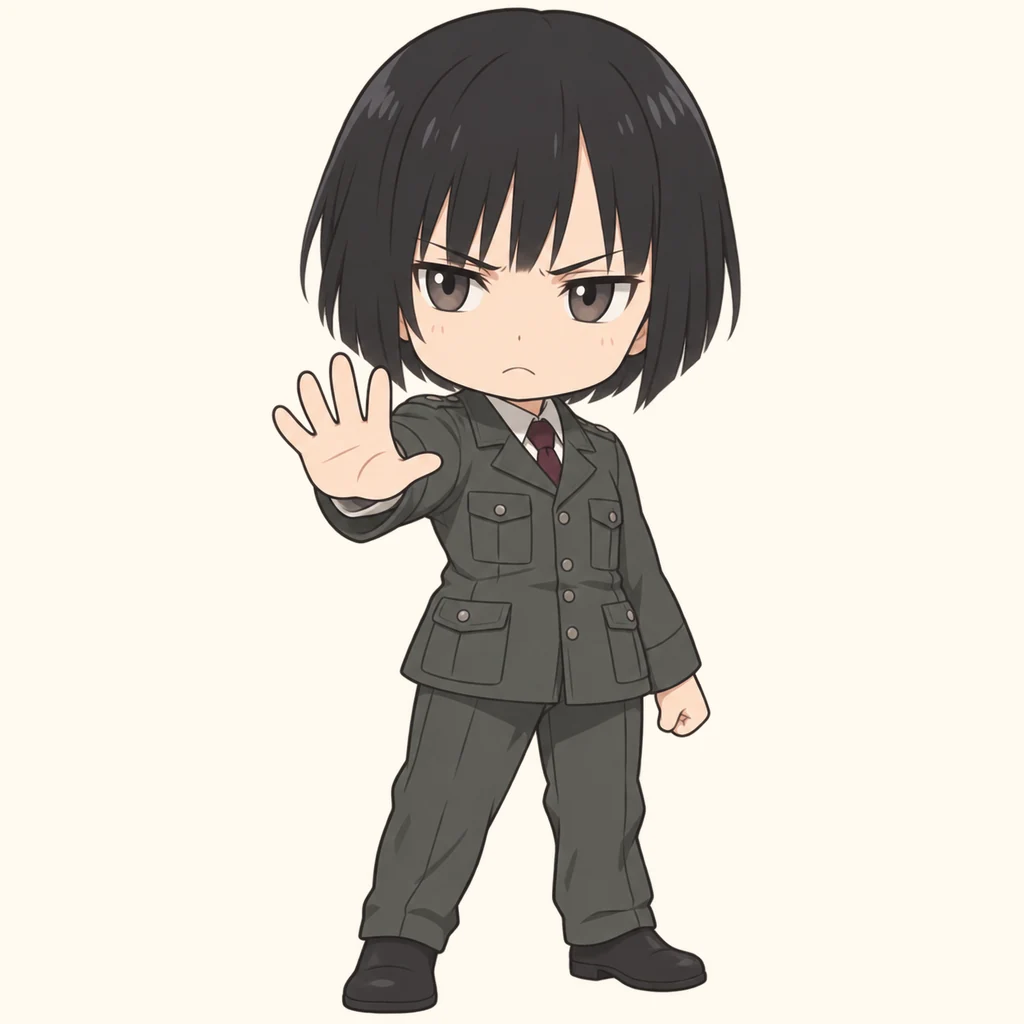
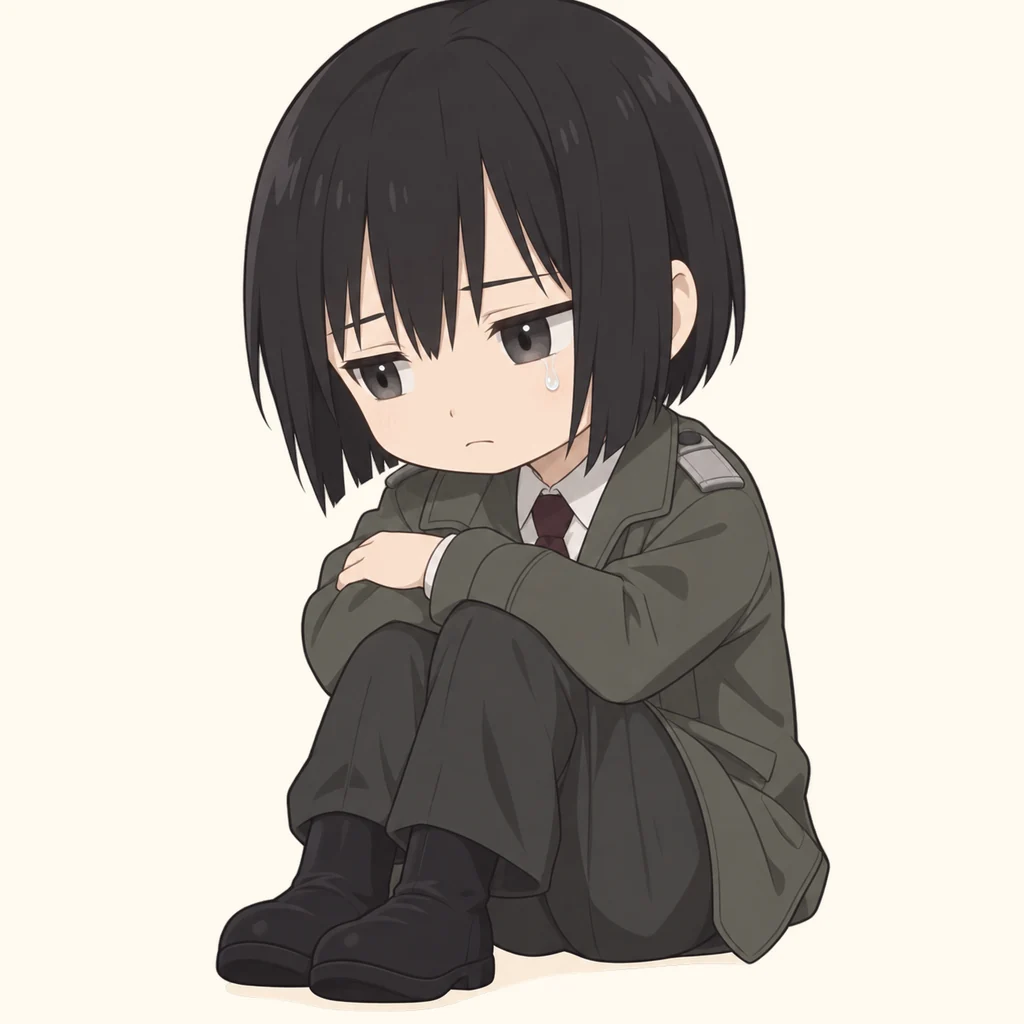


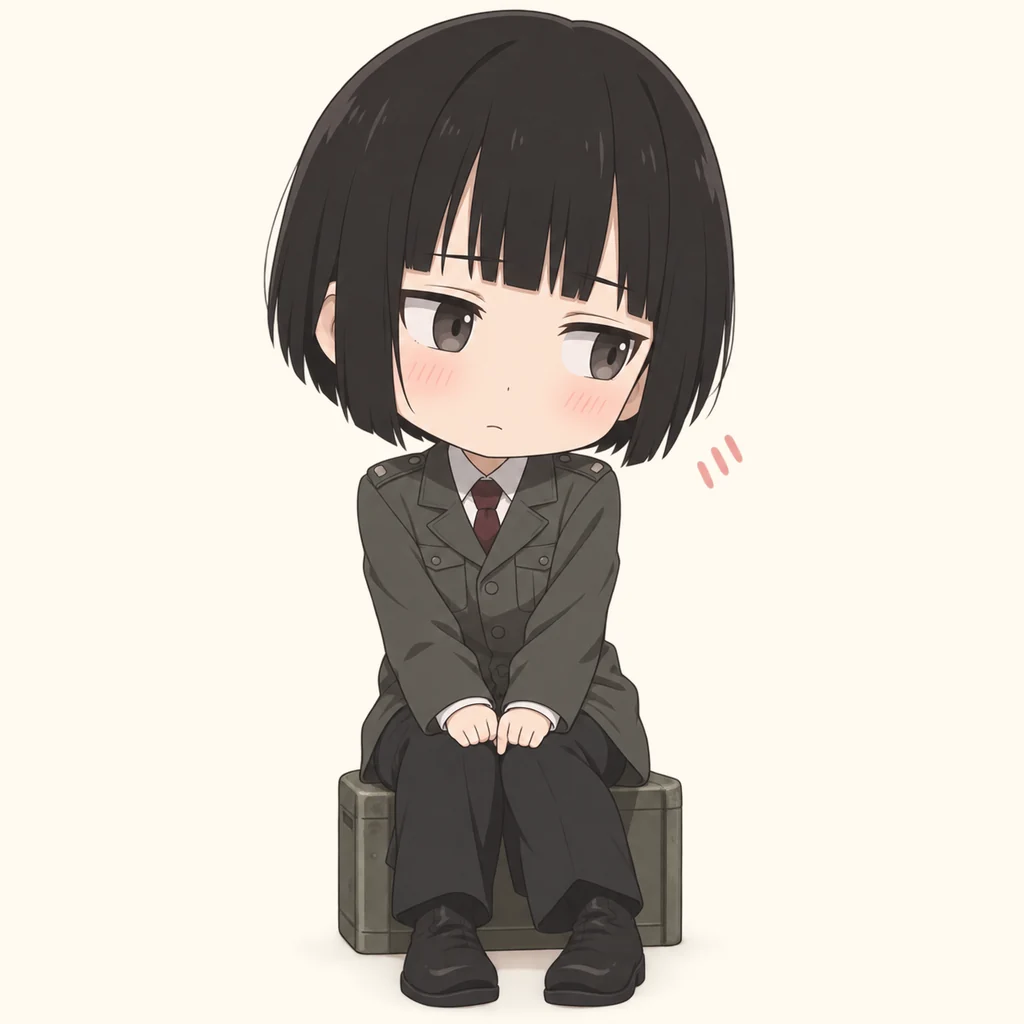

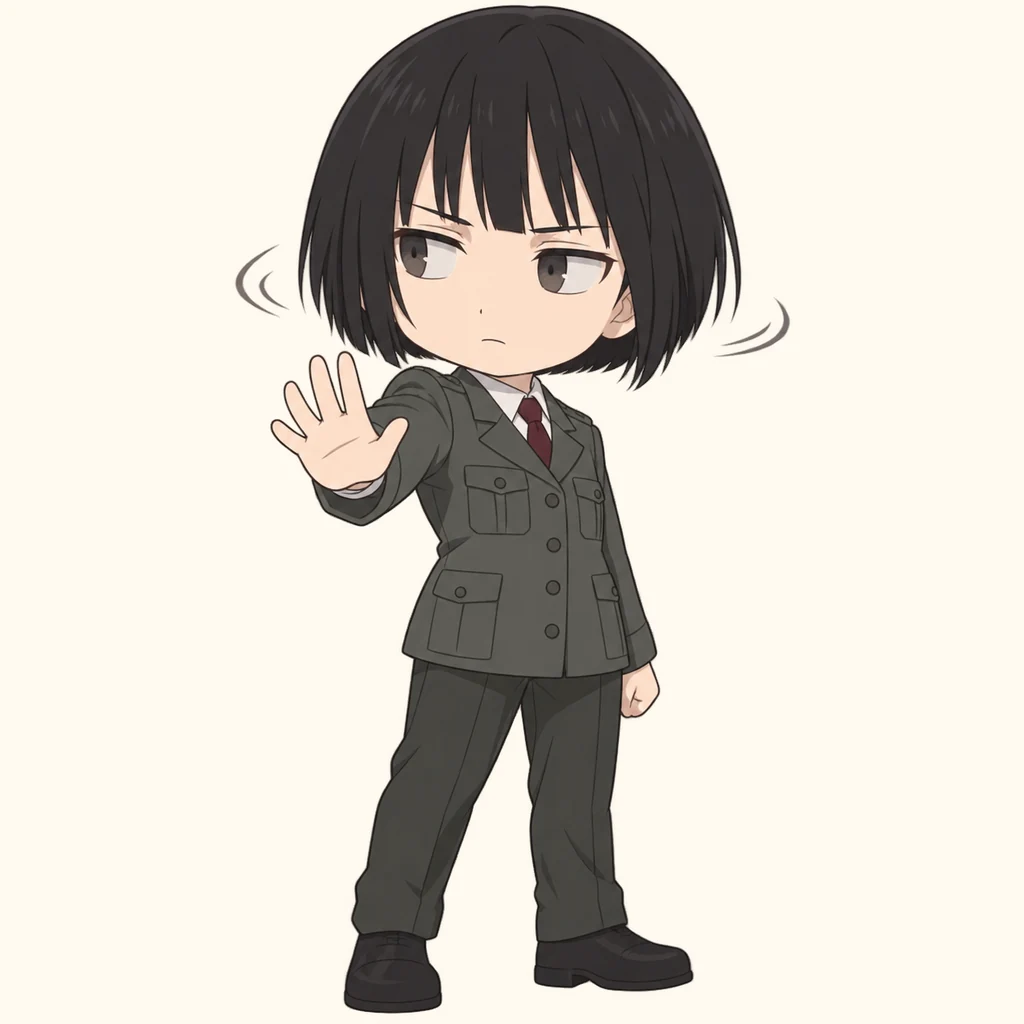
Suito is the airbase commander in Mamoru Oshii’s 2008 film The Sky Crawlers and one of the Kildren who never mature into adults. Adapted from Hiroshi Mori’s novels, the film has a screenplay by Chihiro Ito and designs by Tetsuya Nishio. Sharing a surname with Motoko Kusanagi does not make them the same person or established relatives.
Brief sentences, silence and nearly still expressions govern her routine, with fatigue beneath the control. Command does not free her from the Kildren’s predicament; it makes departures and repeated missions more familiar. She is not an inspirational shouting officer. Her tension lies in the distance between composure and private pain.
Adults operate war as a spectacle while the Kildren face the actual risks of flying and dying. When Yuichi Kannami arrives, Suito seems to know more about his past, and everyday details expose patterns of repetition. Her experience belongs within that system rather than an isolated pilot romance stripped of context.
Kannami is the newly assigned pilot, linked to her by command and personal attachment. Film spoiler: Mizuki is introduced as a younger sister but is actually Suito’s daughter; the surface label is misleading. The Teacher is an elusive enemy ace. Unresolved questions of identity and repetition should not all be filled with unverified family theories.
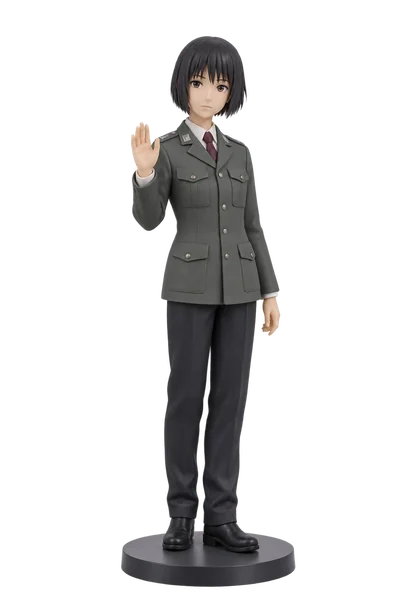
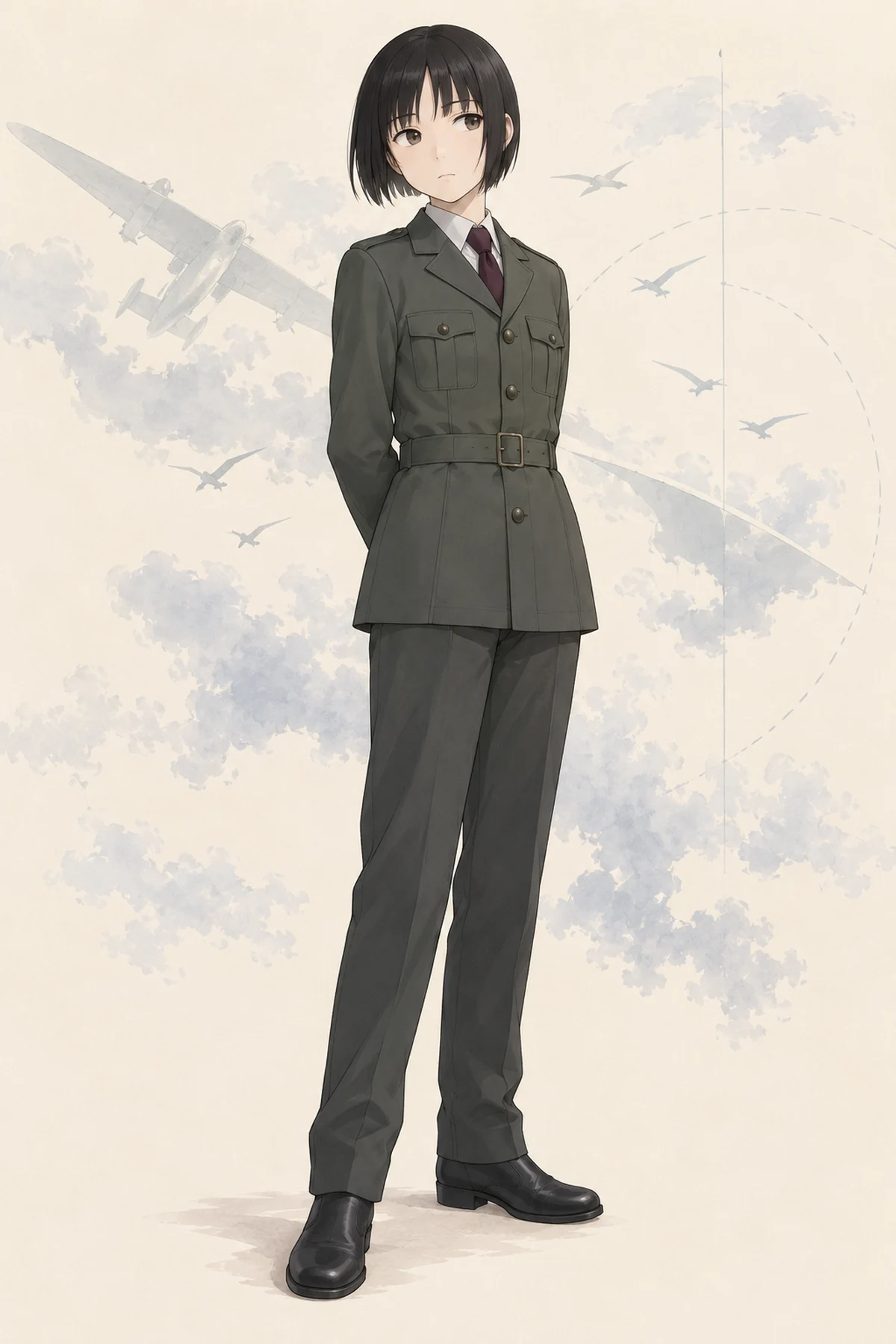
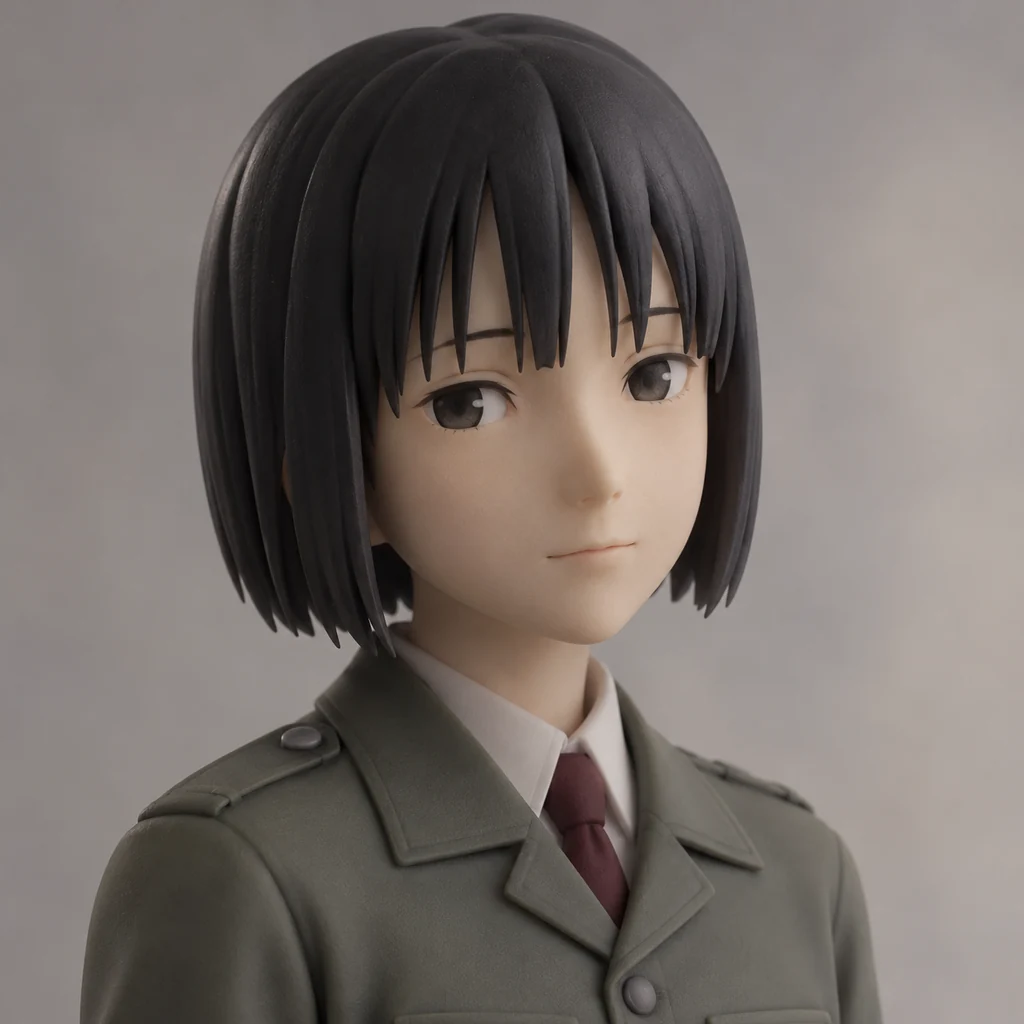
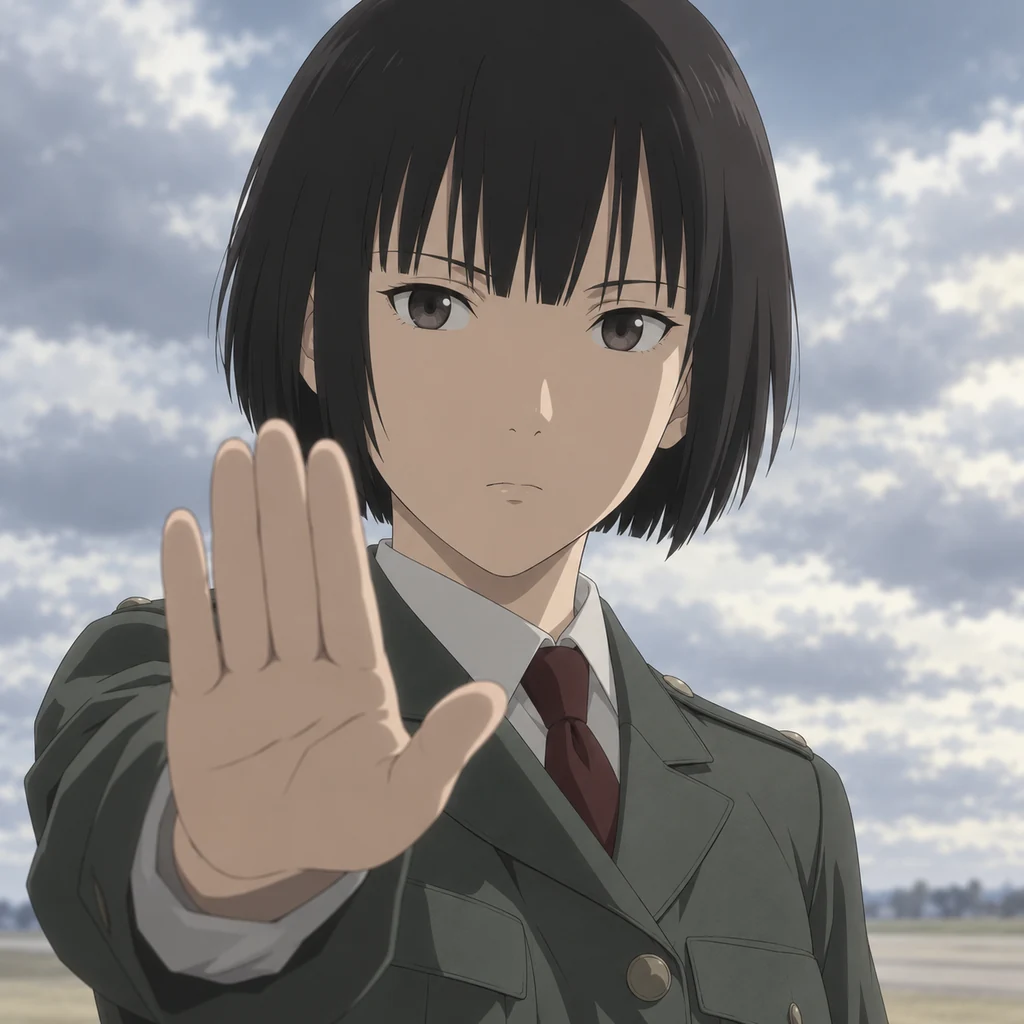
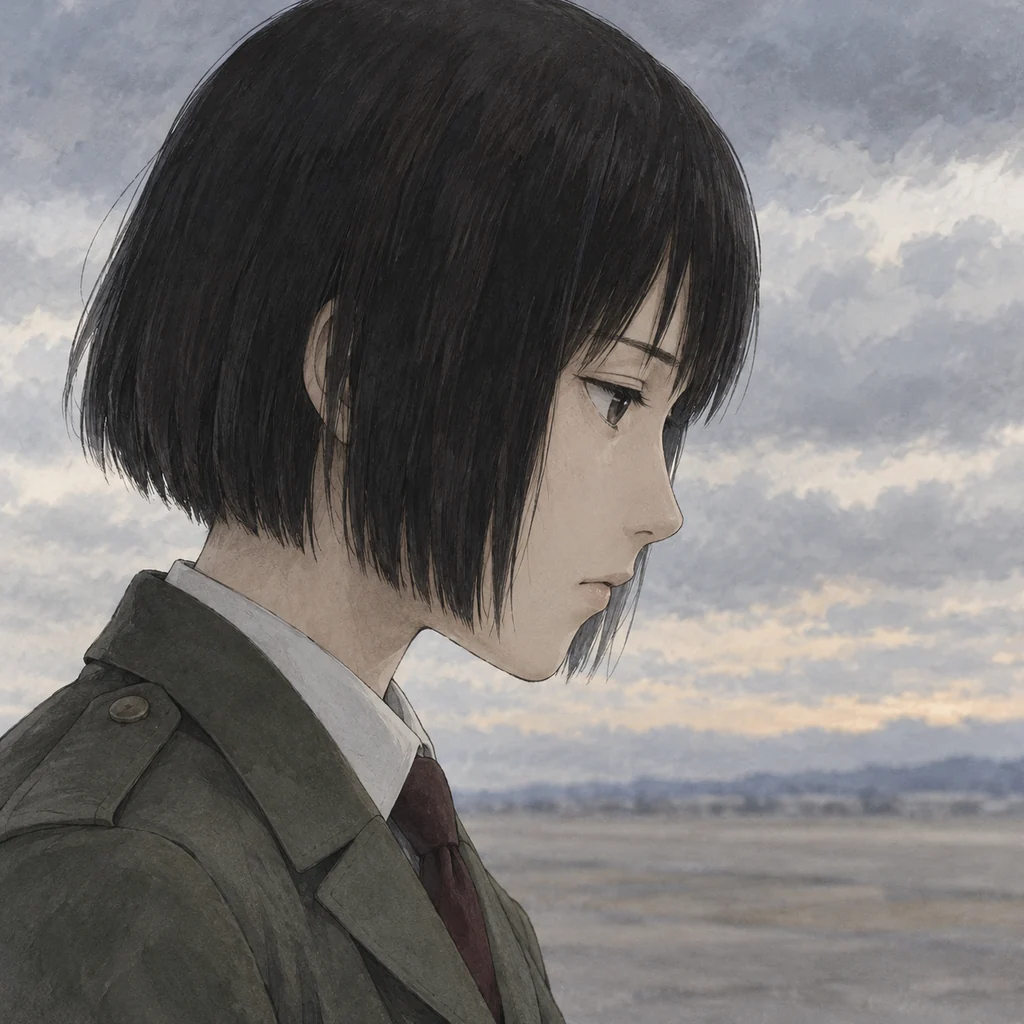
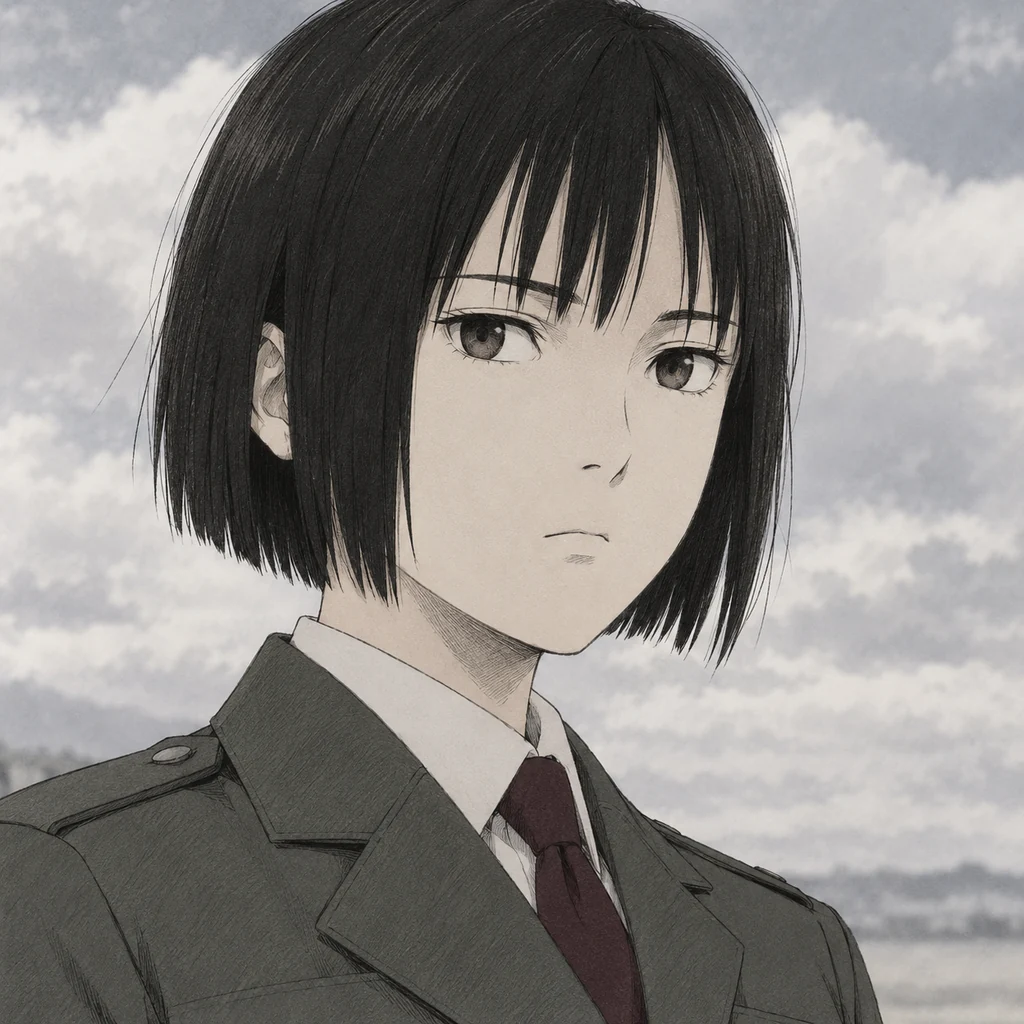
A black jaw-length bob, restrained face and gray-green uniform identify the film’s Suito. This gallery uses a complete uniform with shirt, dark tie and trousers, without sexualizing or adult-glamorizing her adolescent Kildren appearance. Photographic avatars are fictional interpretations rather than Rinko Kikuchi photographs; the transparent figure is not an official model.
Her unease comes less from how many secrets she reveals than from seeming to have lived too many similar days. Reading her as someone who knows the rules yet still hopes for change explains the coexistence of numbness and expectation. This interprets the film’s mood rather than claiming to solve the novels’ entire chronology.