 NO.733ANIME
OOTDHana
NO.733ANIMEANIME OOTD / CHARACTER ARCHIVE
Hana
Wolf Children ↗ / 2012
She can repair a home, grow food and shelter her children, but cannot choose their futures. Hana’s kindness includes learning to let go after years of holding on.
Human mother raising wolf children
My figure room →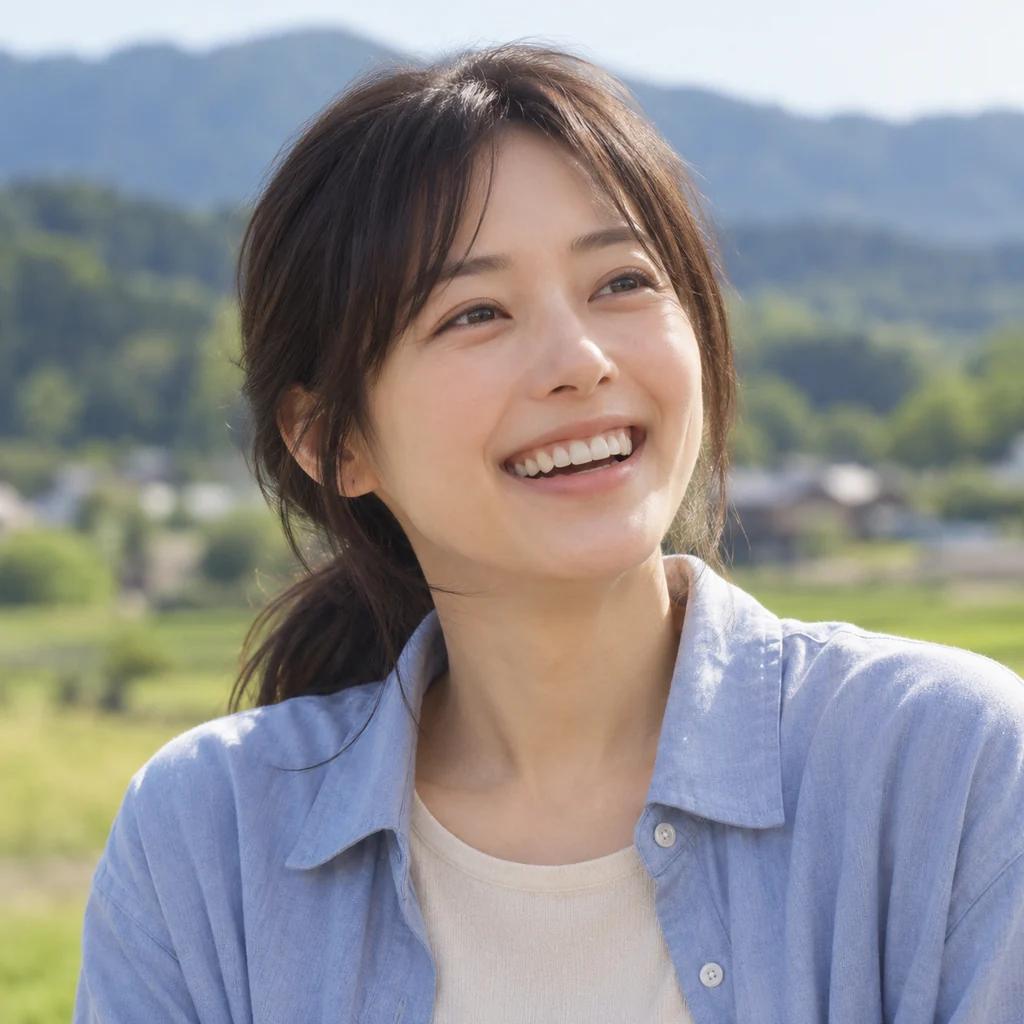
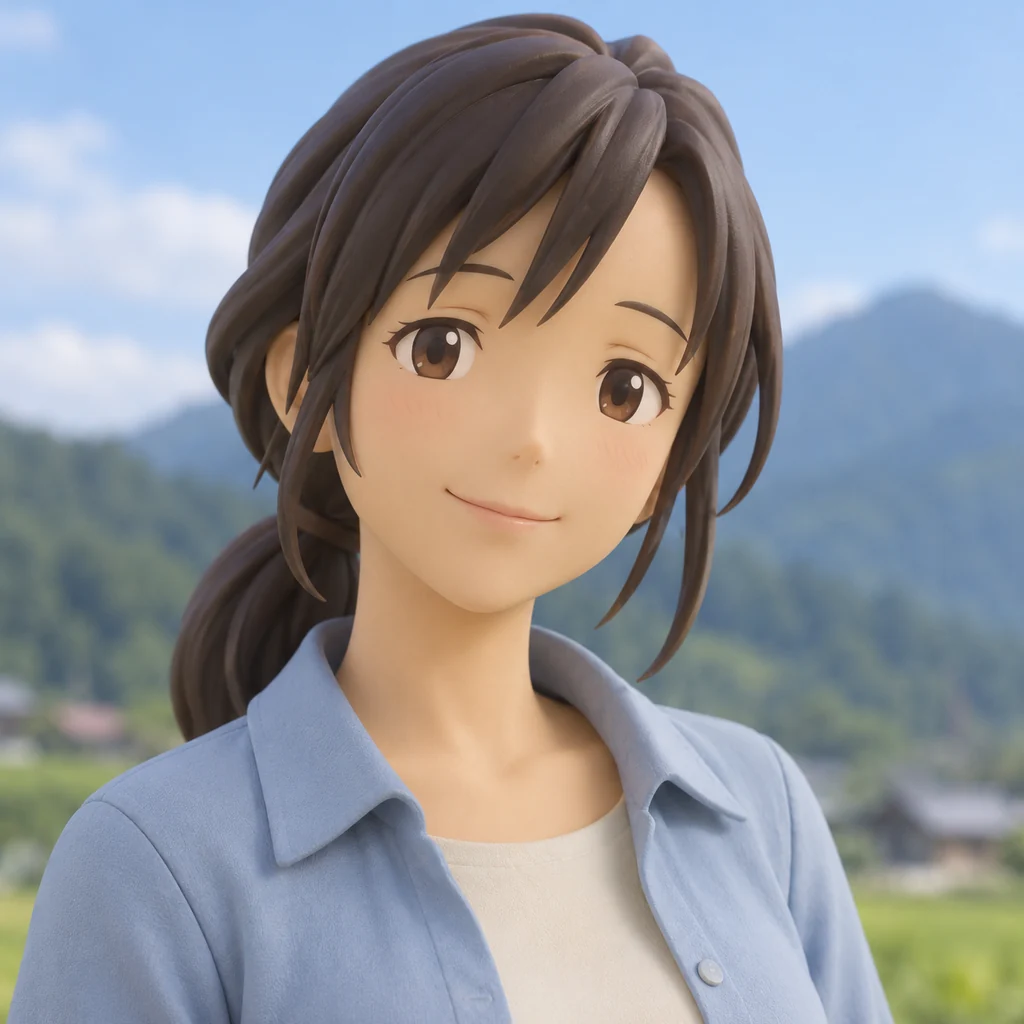
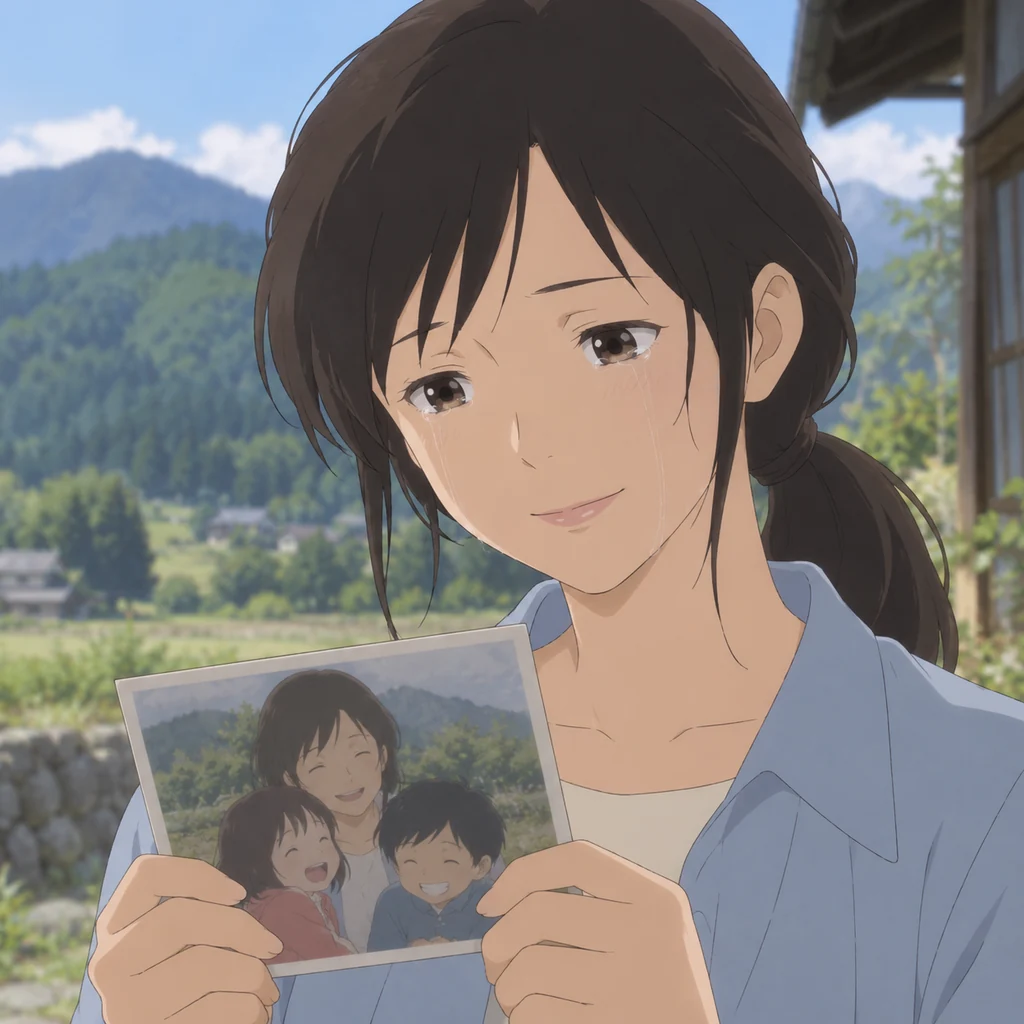
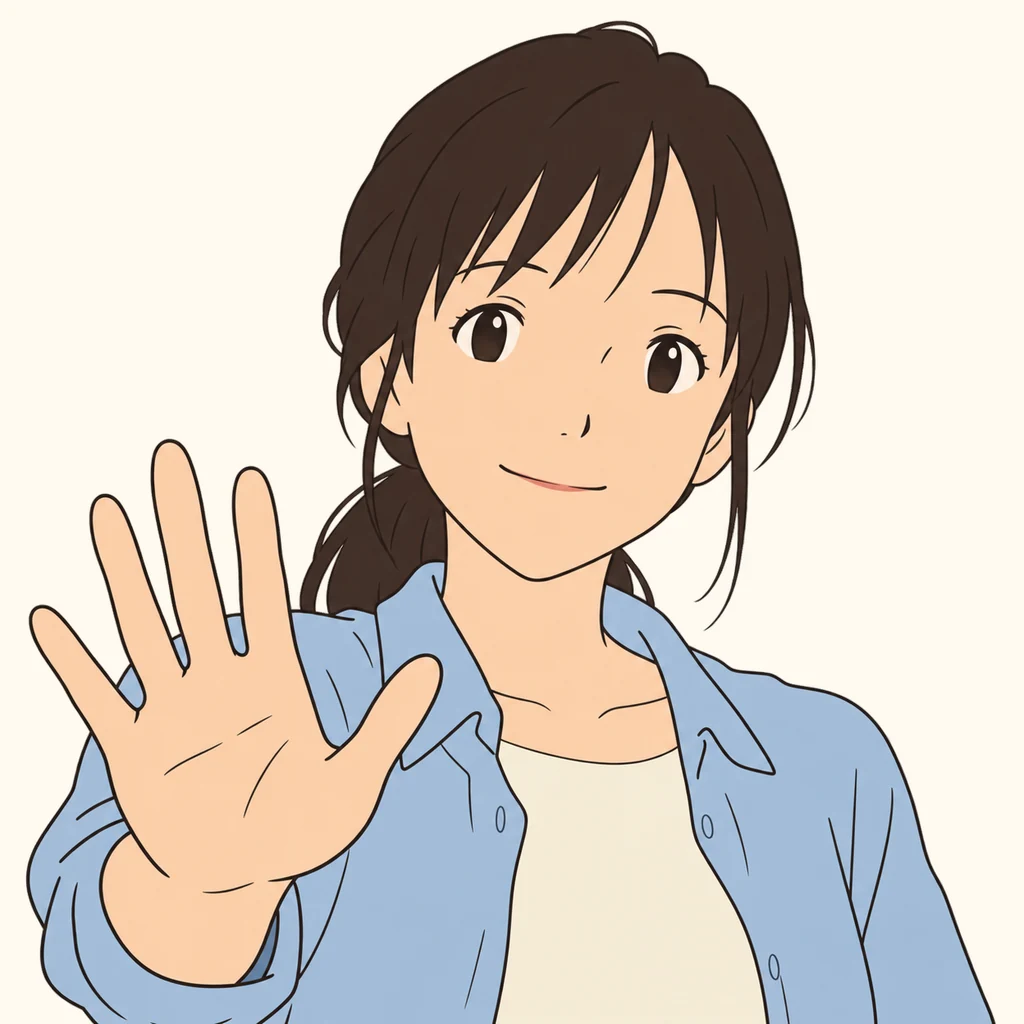
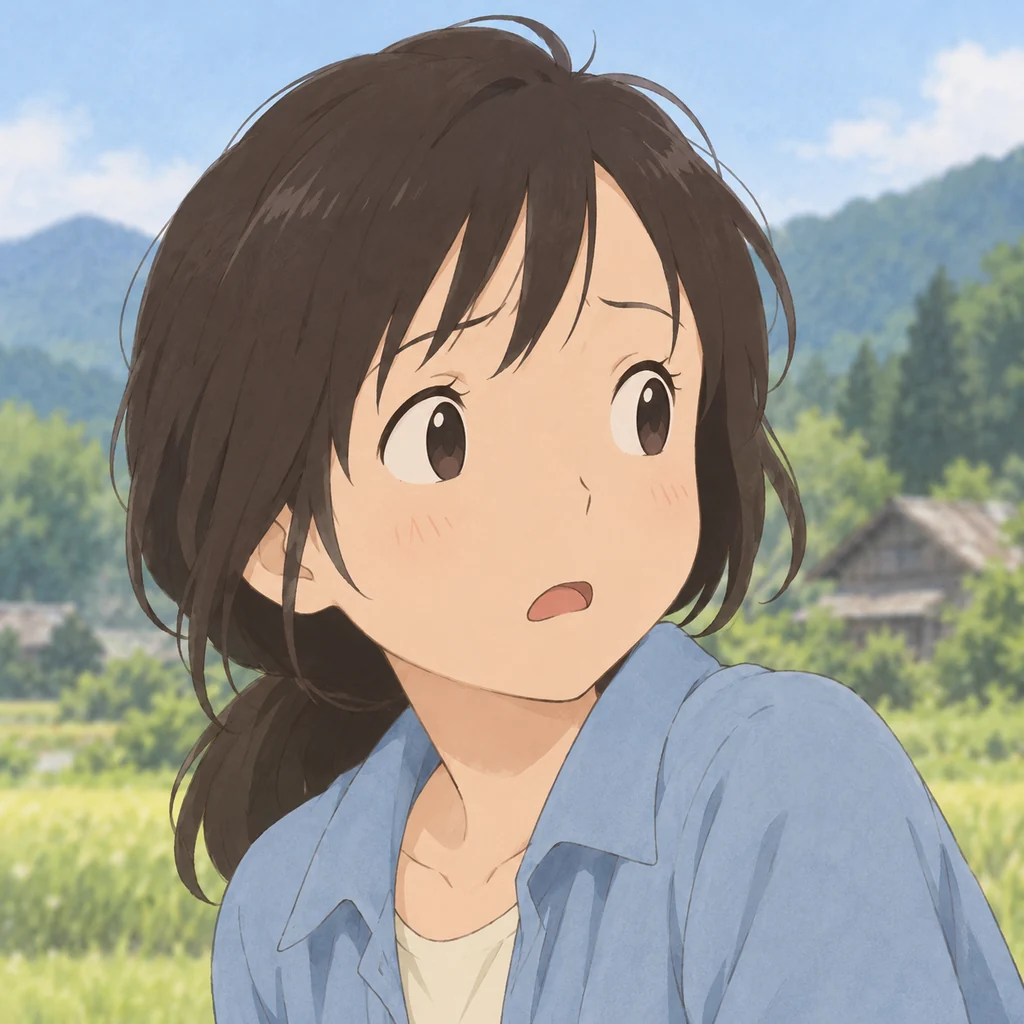
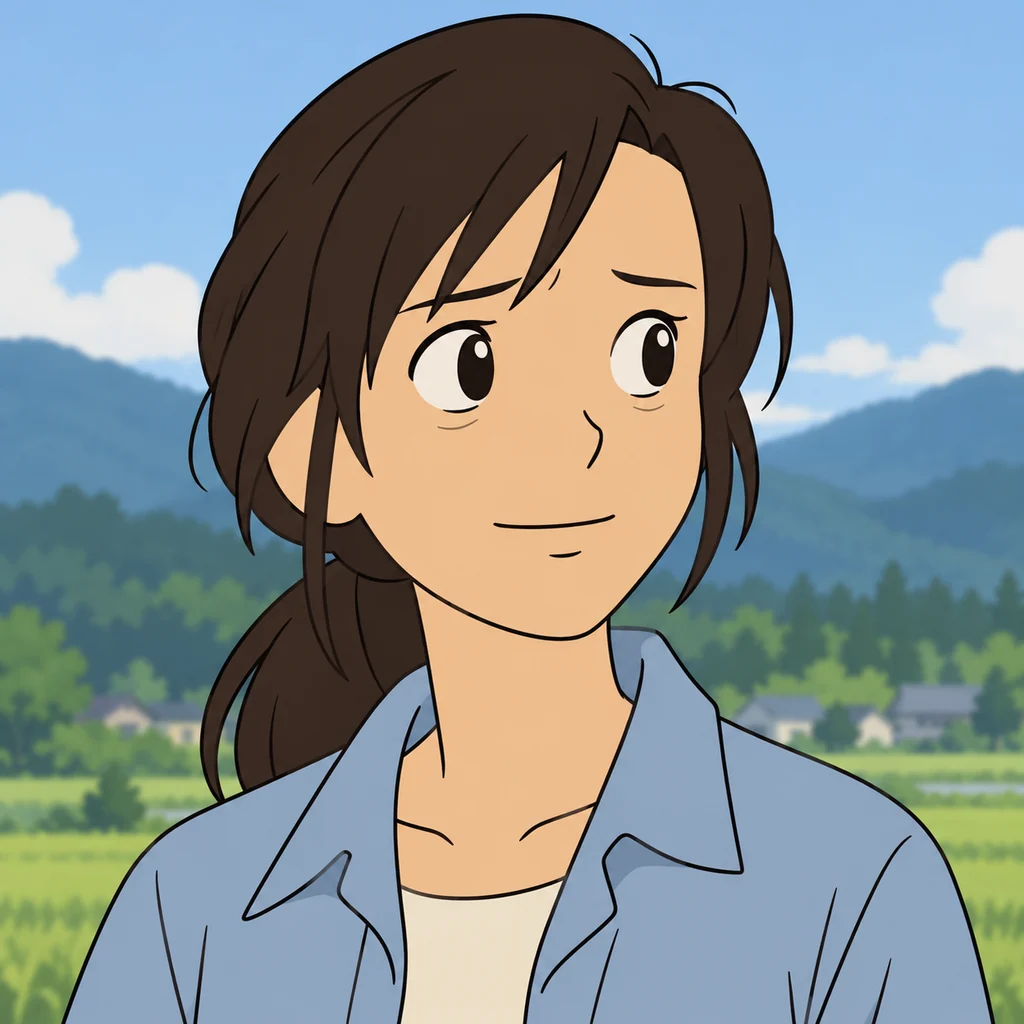
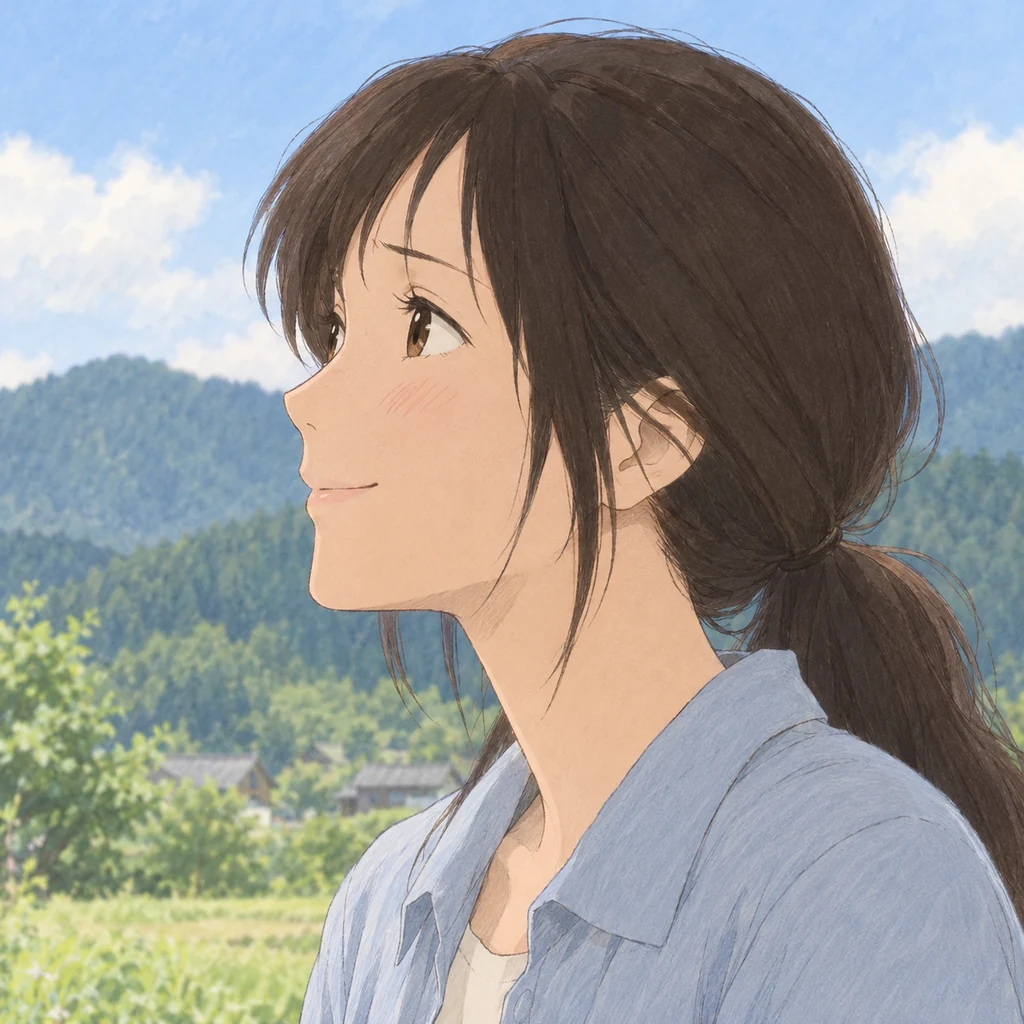
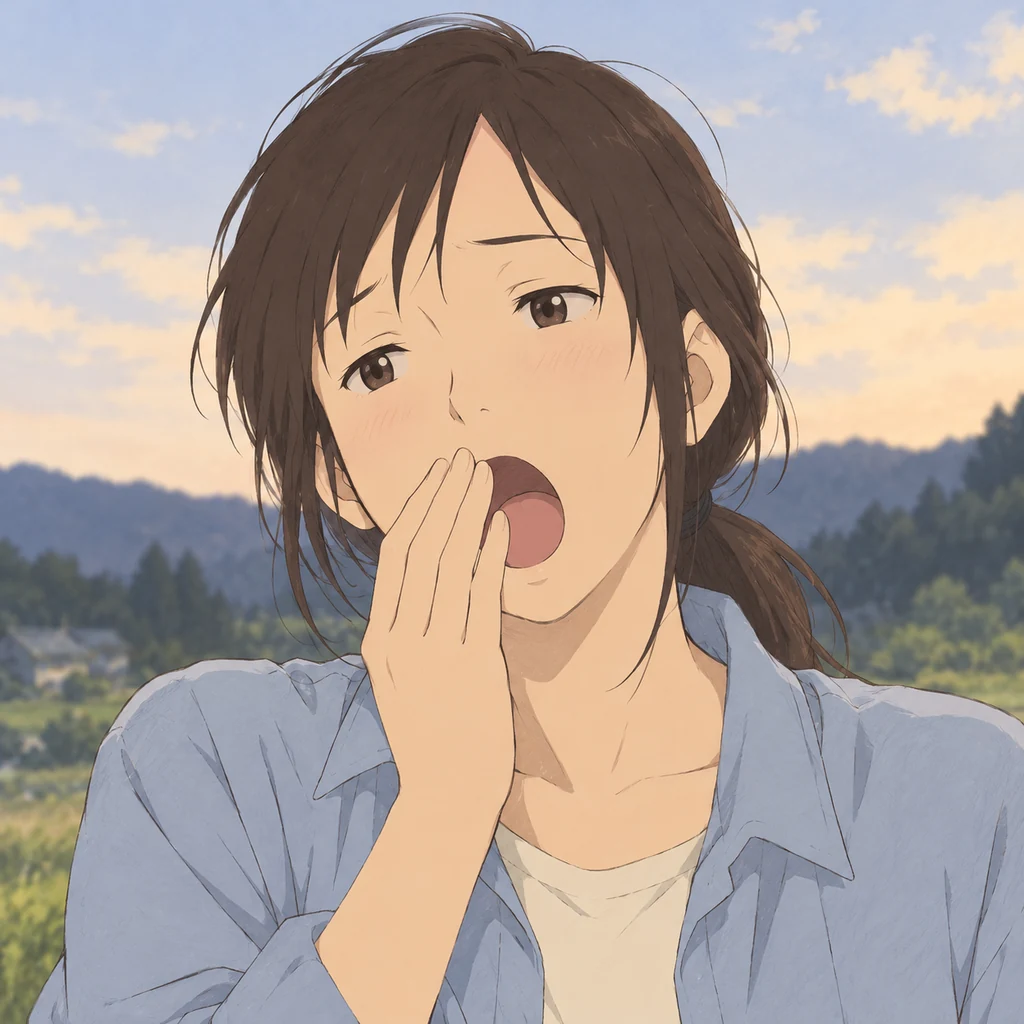
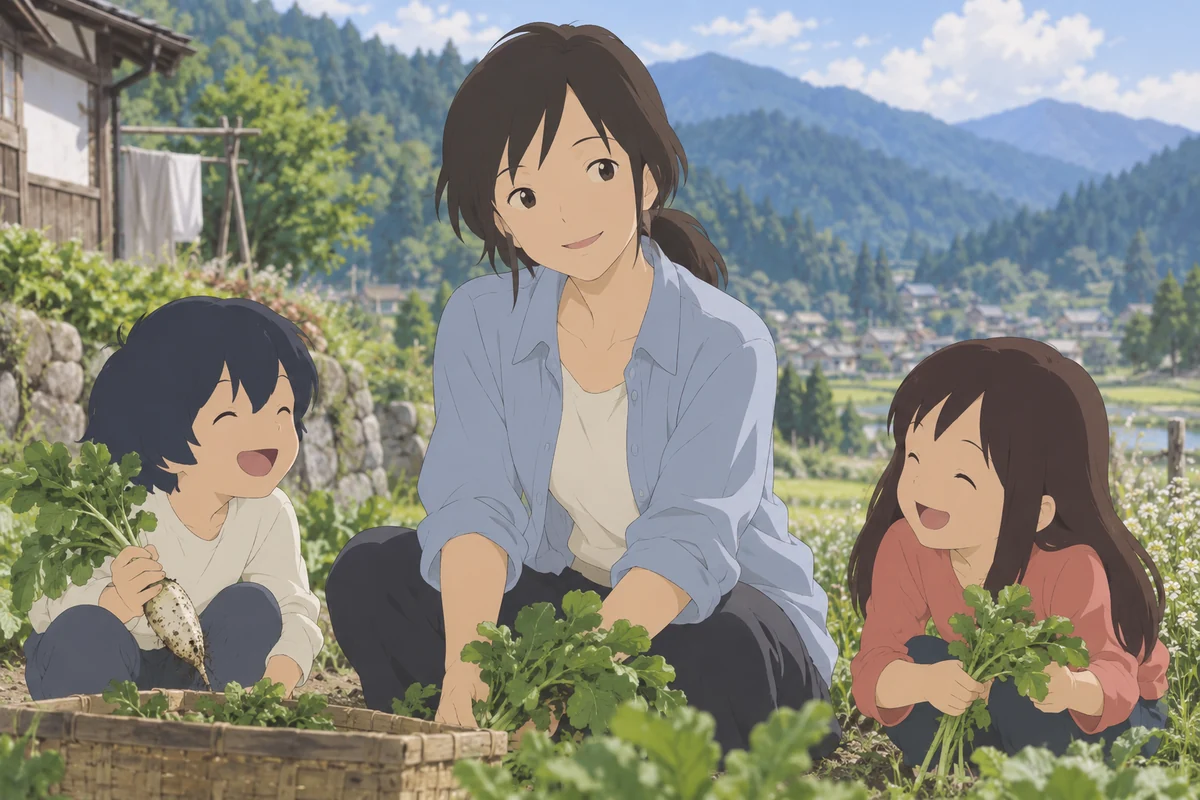
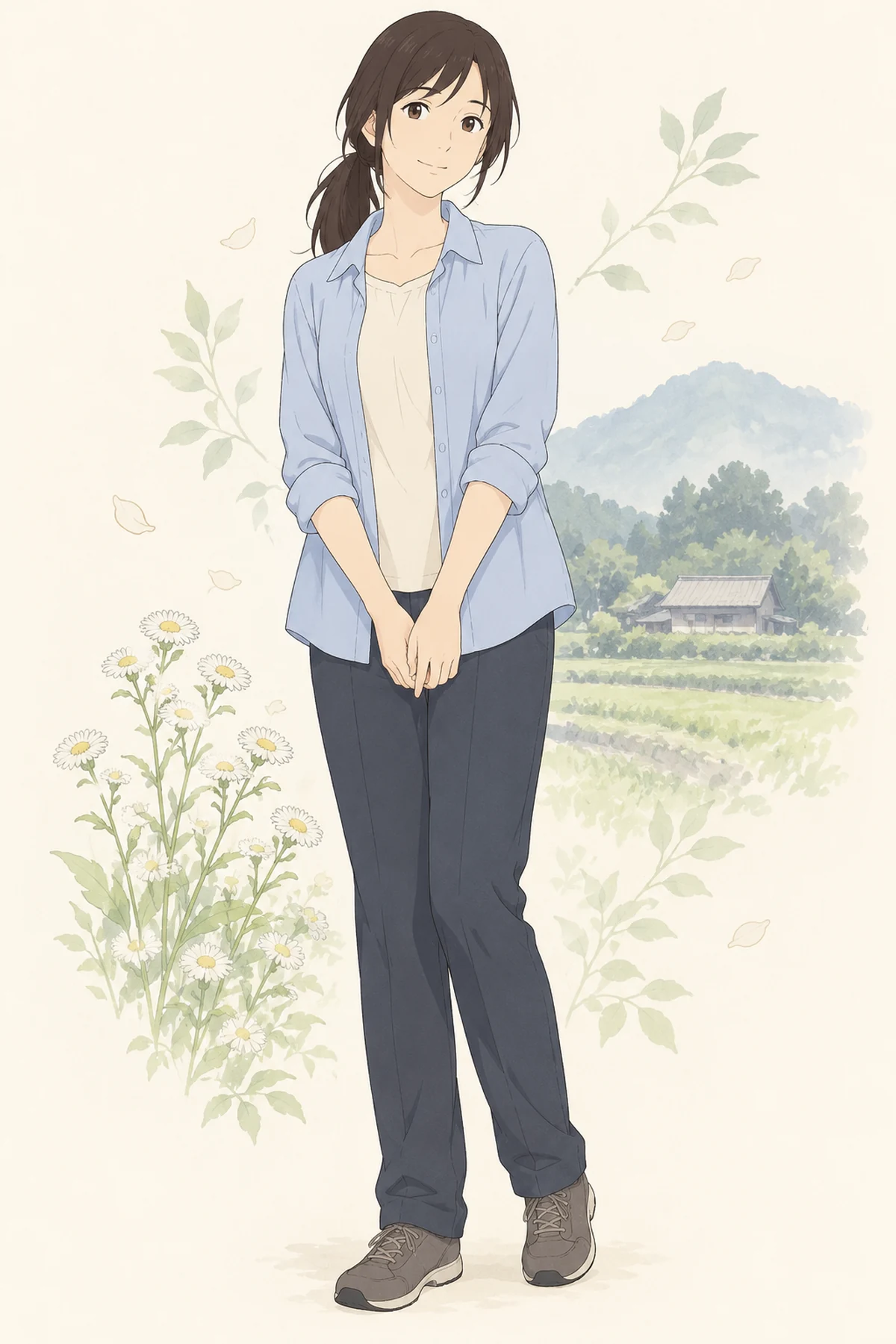
AI-assisted illustrations · Not official anime stills
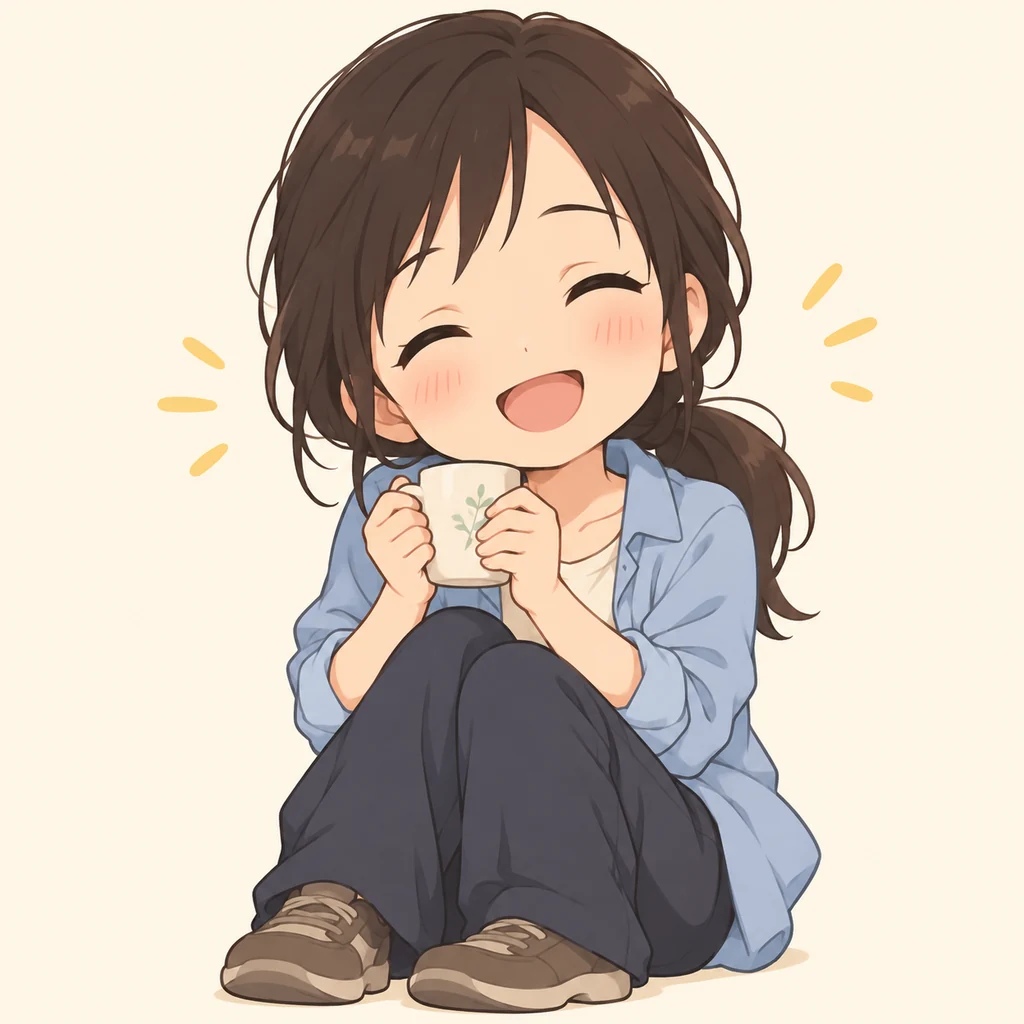
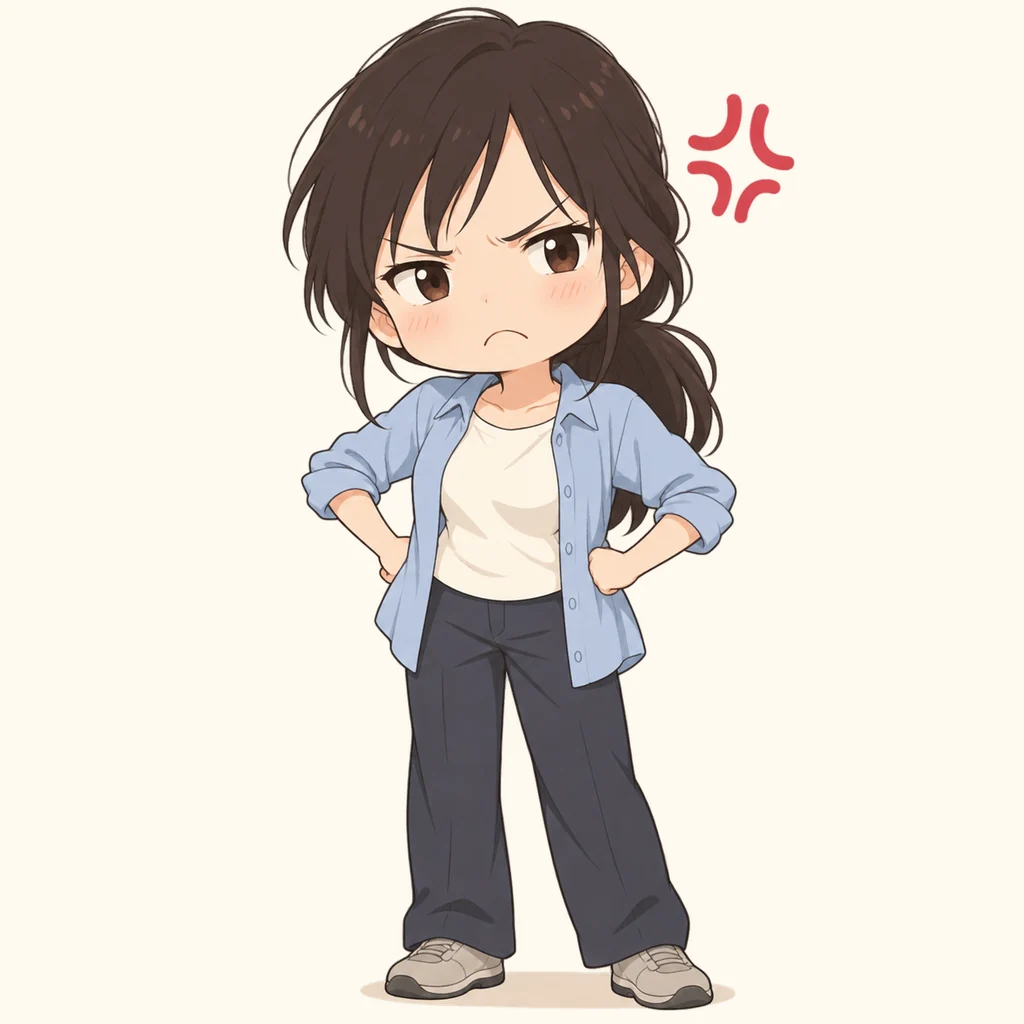
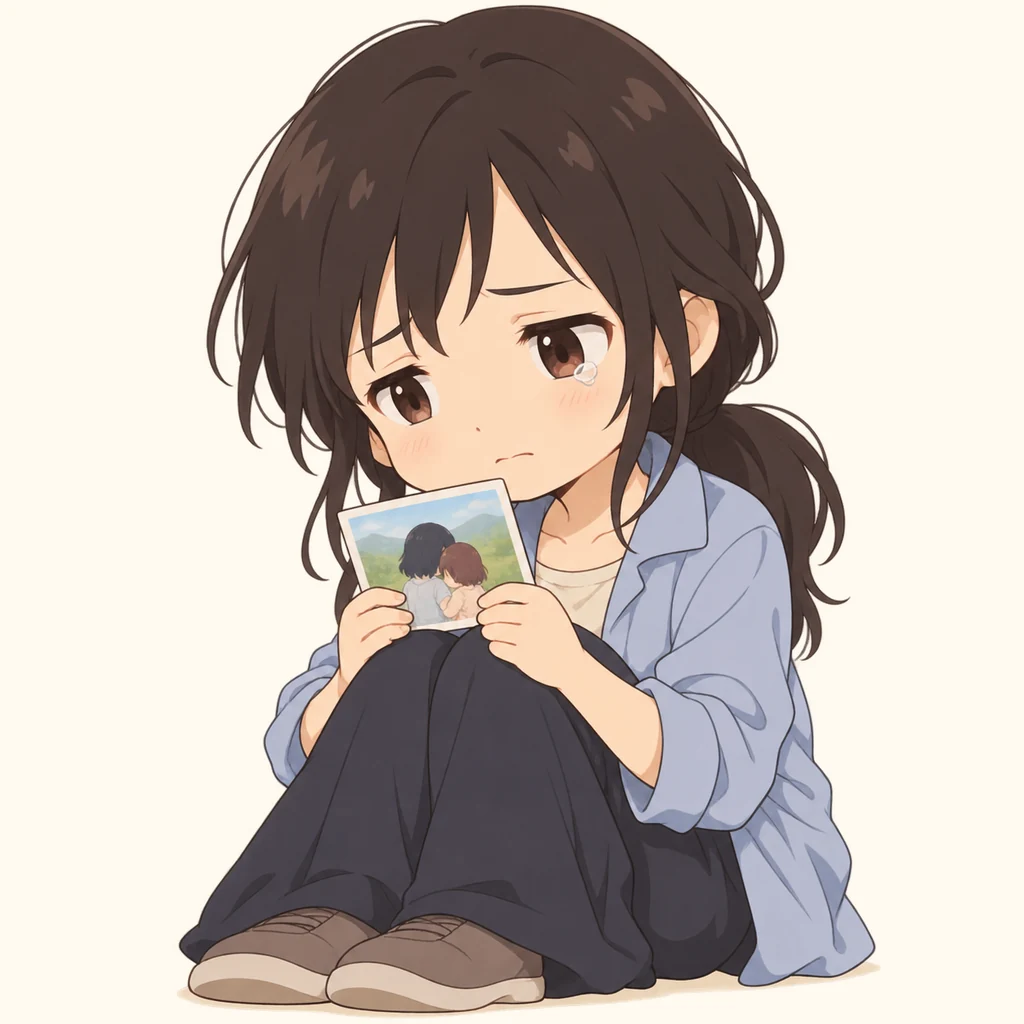

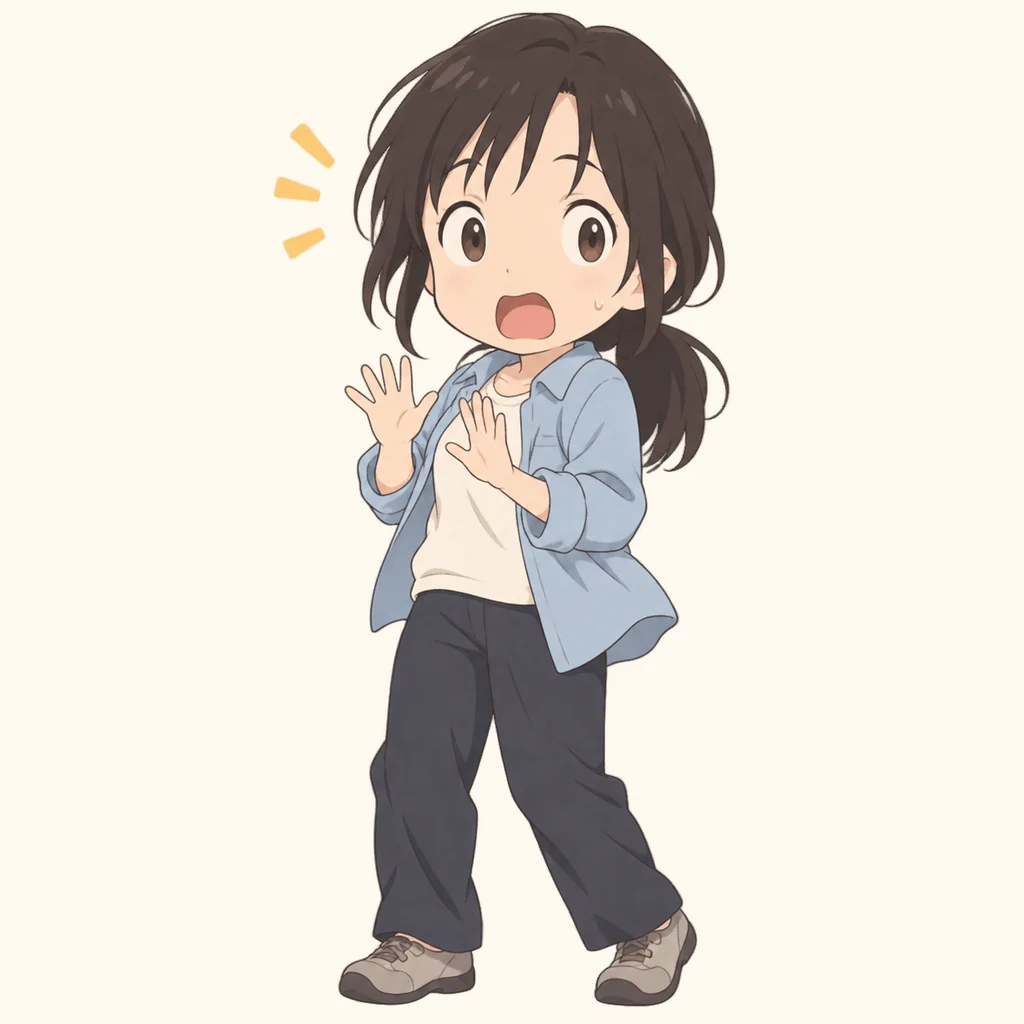
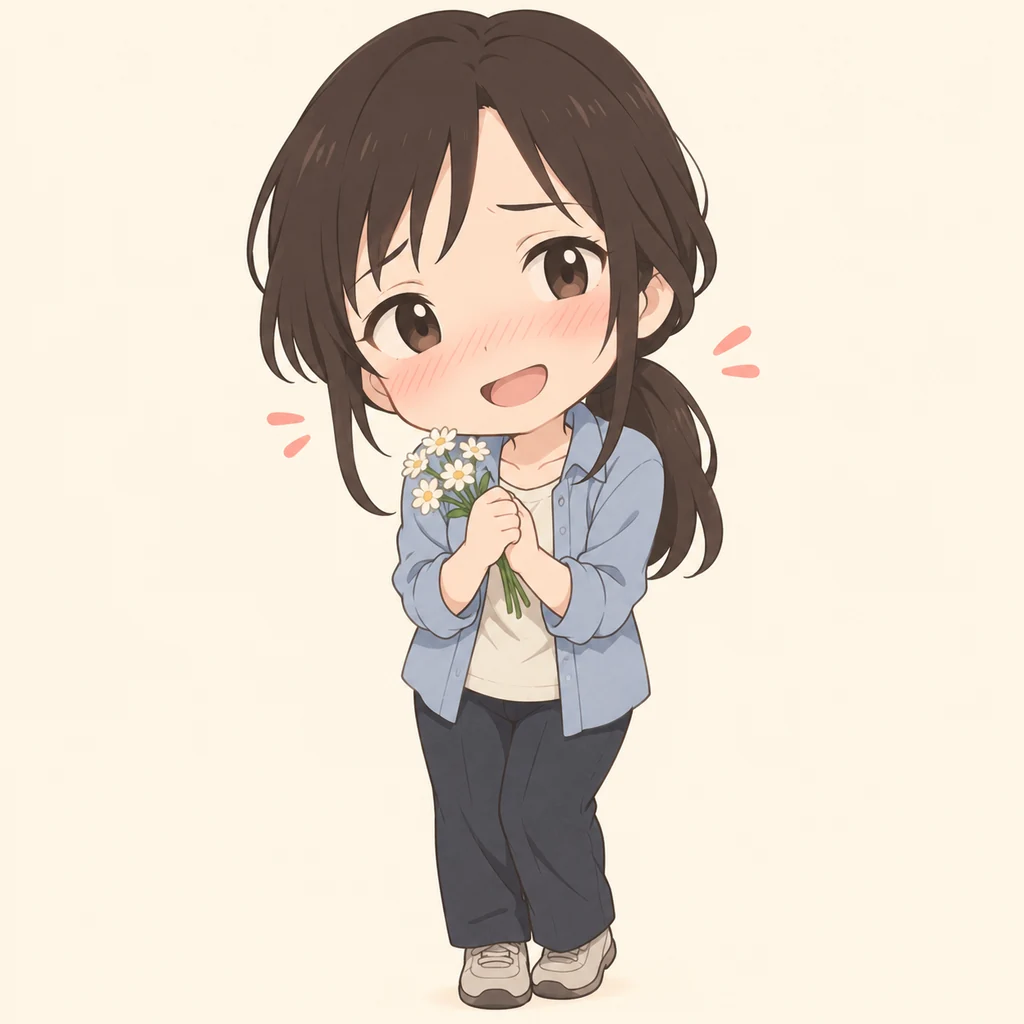
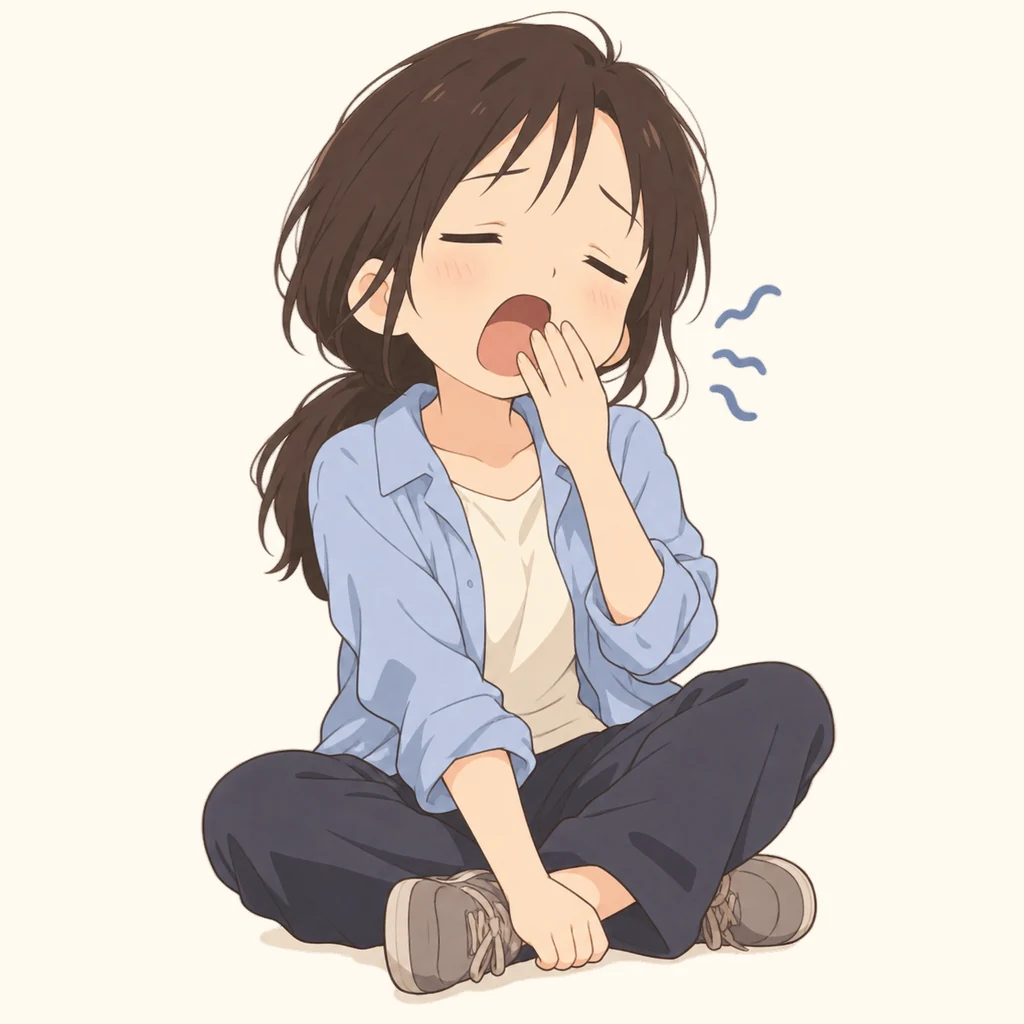
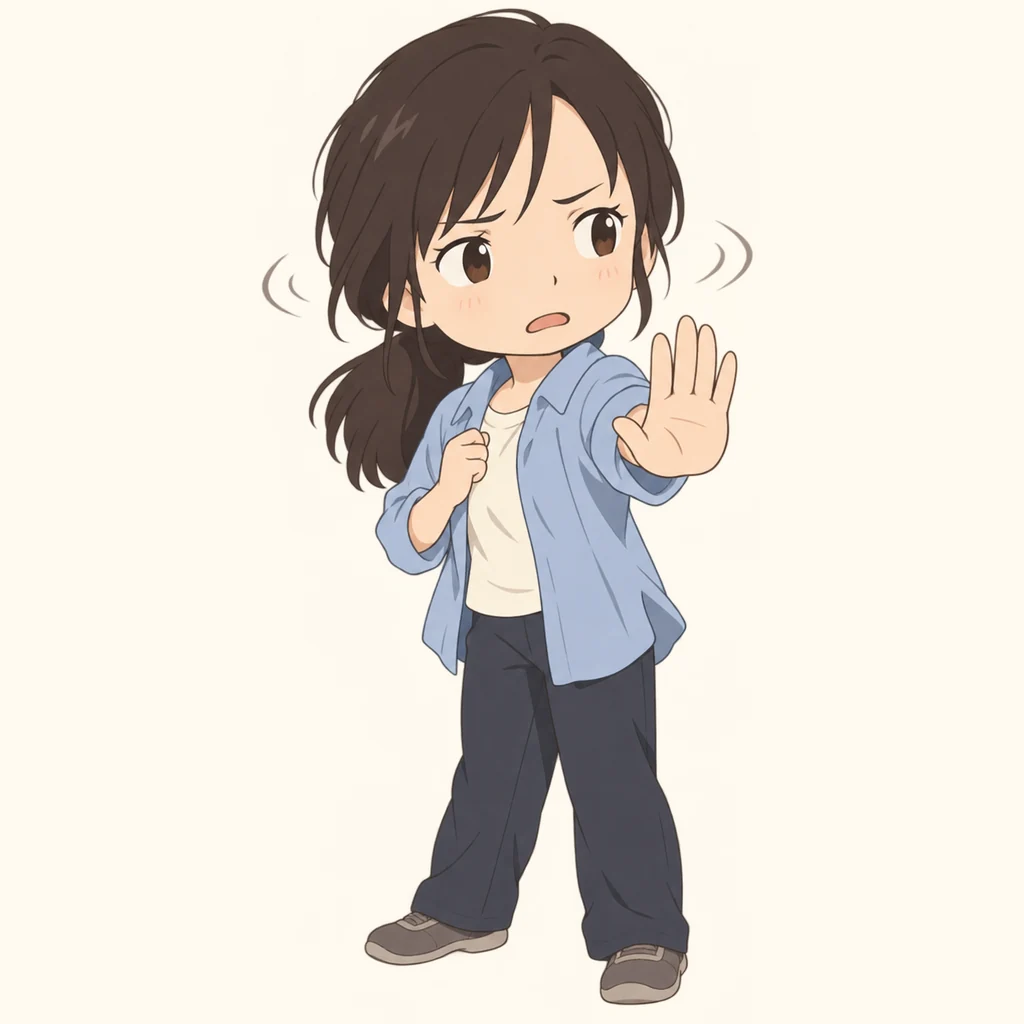
Hana leads Mamoru Hosoda’s 2012 film Wolf Children, which begins with a university encounter and follows roughly thirteen years of family life. She is human, not a wolf spirit; her children inherit their father’s wolf nature. Her story concerns parenting, work and choice rather than acquiring a transformation power herself.
She often meets difficulty with a smile, but that does not mean she never fears or tires. Income, shelter, farming and two children make kindness a repeated act of work. She makes mistakes and needs neighbors’ help. Calling her an always-correct perfect mother would erase the burdens that make her believable.
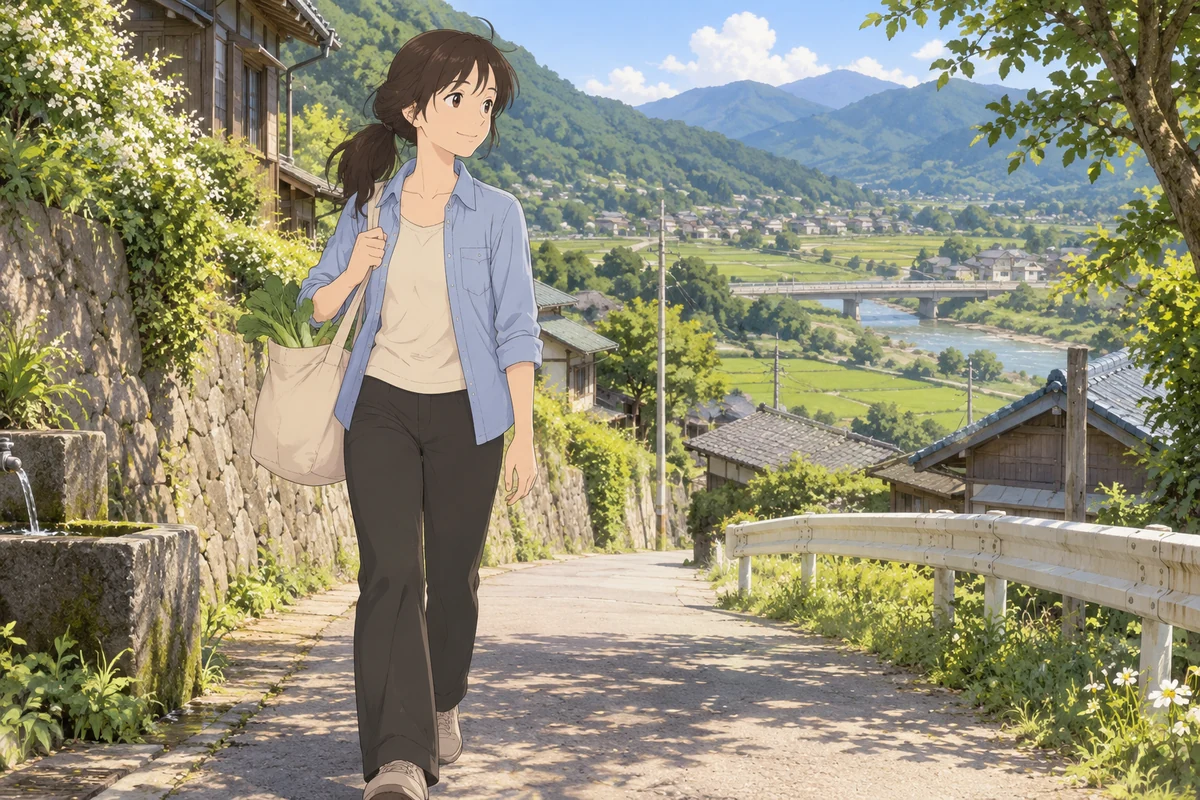
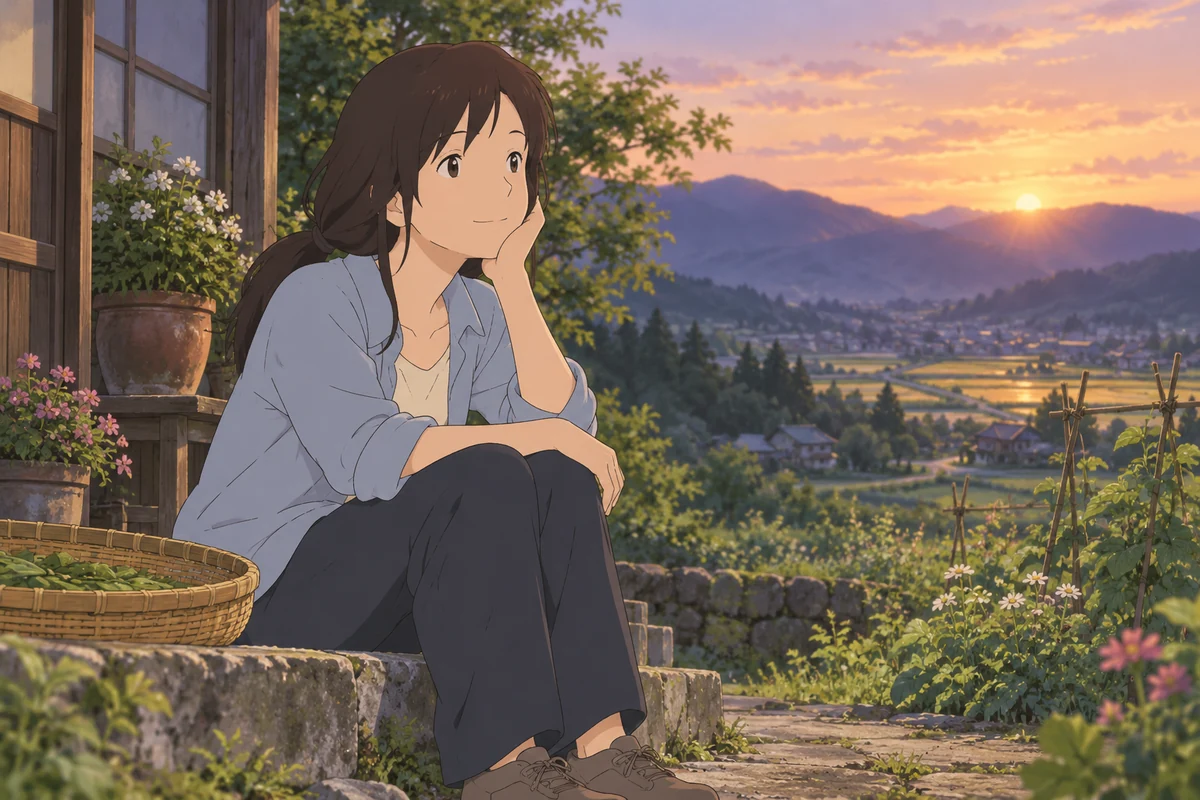
After her partner dies, she moves to an old rural house so the children can eventually choose human or wolf lives. Failed crops and offered help turn isolation into community. Yuki moves toward school and peers; Ame toward the mountains. Hana must learn to accept two different directions of growth rather than choose between her children.
Yuki is the elder sister and Ame the younger brother, named for the weather at their births. Their father is officially introduced as the wolf man, often simply He; a personal name need not be invented. Nirasaki is a local farmer who guides Hana, not the children’s grandfather. Sohei is Yuki’s schoolmate, not Hana’s romantic partner.
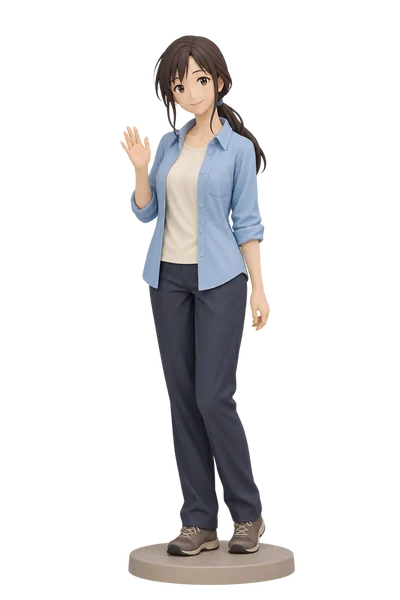
This gallery uses adult Hana in her rural years, with dark hair loosely tied low, a plain shirt and practical trousers. She has no wolf ears or tail and does not become a wolf because her children can transform. Avatars and transparent figures are unofficial interpretations retaining her human identity and everyday character, not official merchandise or actor portraits.
She promises the children a choice; the harder task is letting go when they make it. One reading is a mother learning to step back: her work equips them for different paths rather than keeping them dependent forever. This interpretation does not mean her fear and reluctance should be dismissed.